


I lost Google rankings, too! Here’s What 15+ Years of Blogging Taught Me About SEO. If you’ve been blogging for at least a year, you’ve probably experienced the traffic drop overnight,
I’ve been running BloggersPassion for over a decade, published hundreds of articles, tested several SEO strategies, and generated millions of search engine visits.
But, I’ve made several SEO mistakes! Some mistakes cost me rankings. Some cost me affiliate commissions, and a few cost me months of organic growth.

However, every mistake taught me something valuable about how Google actually evaluates blog content.
In this guide, I’ll share the biggest SEO mistakes I have observed while building BloggersPassion and helping clients across different industries.
Whether you’re a beginner blogger, affiliate marketer, or business owner, you’ll learn exactly how to avoid these mistakes and improve your organic traffic.
Why Most Websites Fail at SEO?
Most websites don’t fail because they lack content. They fail because they focus on publishing more content instead of building a search-focused content ecosystem.
Google’s algorithms have improved a lot. Today, rankings depend on:
- Search intent
- Content quality
- Topical authority
- User experience
- Trust signals
- Expertise and experience
- Speed performance
Ignoring any of these can seriously hurt your visibility. Now, let me tell you the top 5 SEO mistakes that destroyed my organic traffic.
5 SEO Mistakes That Hurt Me the Most
These SEO faults taught me the importance of professionalism in blogging!
| Mistake | Impact on My Business |
| Keyword Cannibalization | Lost rankings for multiple SEO terms |
| Not Updating Content | Traffic decline on older articles |
| Weak Internal Linking | Reduced page discovery and engagement |
| Chasing Algorithms | Wasted months on short-term tactics |
| Generic Affiliate Reviews | Lower conversions and trust |
19 SEO Errors That Are Killing Your Google Rankings
AI has changed SEO, but some errors still hurt rankings. Let’s uncover and fix them!
1. Targeting Keywords Instead of Search Intent
This is the biggest SEO mistake I see today. Many bloggers find a high-volume keyword and immediately create content around it.
The problem? Google doesn’t rank pages based on keywords alone. It ranks pages that best satisfy user intent.
For Example, Keyword: Best SEO tools
Wrong content: What SEO tools are and why they’re important.
Correct content: A detailed comparison of SEO tools with pricing, features, screenshots, pros, and cons.
How to Fix It?
Before writing any article:
- Search your target keyword
- Analyze the top 10 results
- Understand what users expect
- Match the dominant content format
Matching search intent produces faster ranking improvements than traditional keyword optimization. Through the top results, Google is already telling you what users want.
2. Publishing AI Content Without Real Experience
AI tools can help you create outlines and drafts. But blindly publishing AI-generated content is a dangerous strategy.
Google always rewards first-hand experience and even readers can easily identify generic content.
What I Learned?
Blog posts that include real screenshots, personal results, case studies, and actual testing will outperform generic content.
How to Fix It?
Add:
- Personal experiences
- Original screenshots
- Data from your campaigns
- Real-world examples
Experience is becoming one of the strongest ranking factors. If you don’t have experience or knowledge about the topic, you should skip writing about it.
3. Ignoring Topical Authority
Years ago, publishing random articles worked. Today, Google wants to see expertise within a topic. It wants confidence that your blog offers real solutions to readers based on your experience.
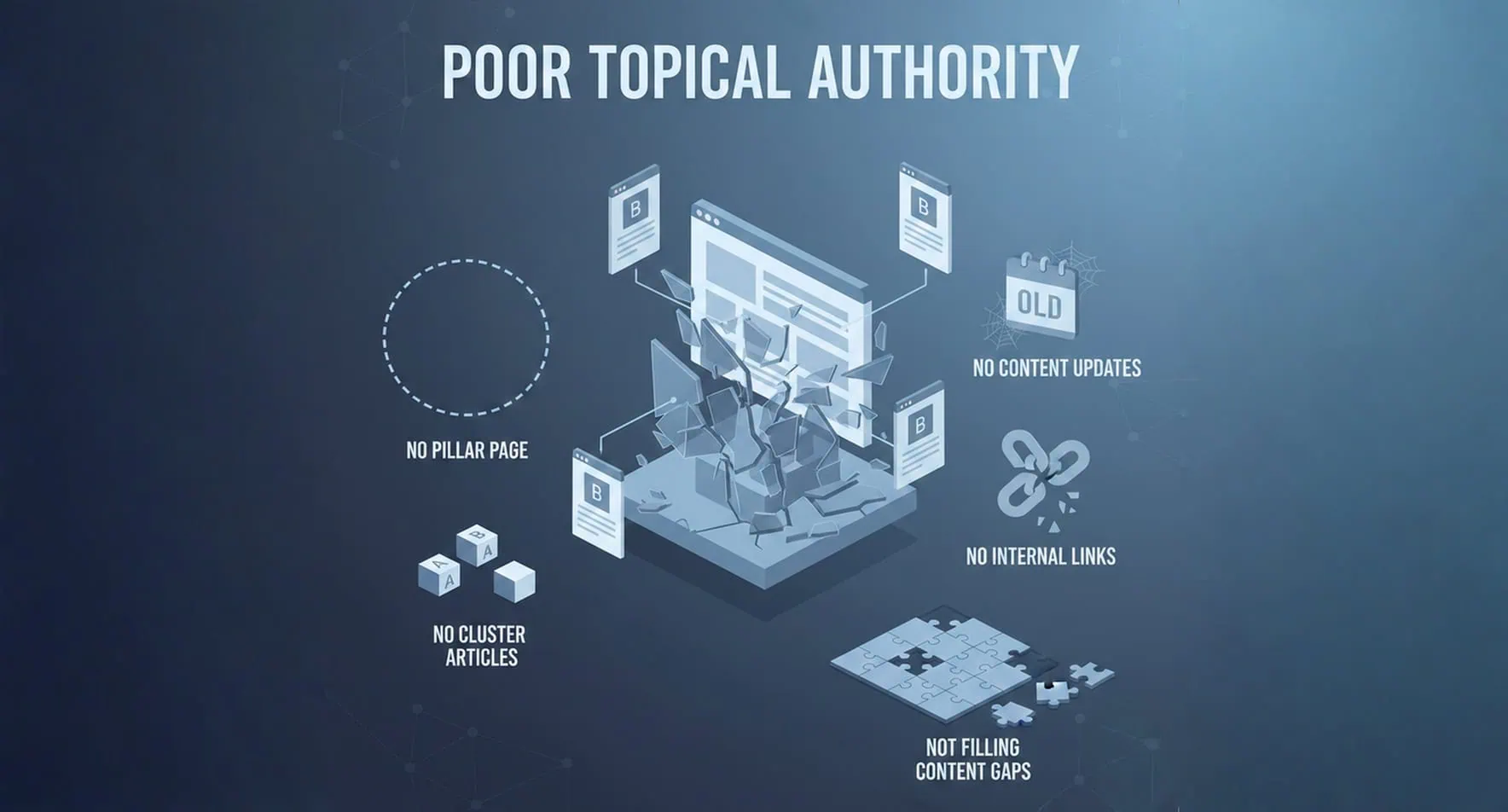
For example, if you want to rank for SEO-related keywords, your website should cover:
- On-page SEO
- Technical SEO
- Generative AI SEO
- Indexing, crawling
- Local SEO
- EEAT
How to Fix It?
Build topic clusters! Instead of publishing hundreds of unrelated posts, create a silo structure that interconnected posts around a core topic.
4. Weak Internal Linking
One of the most overlooked SEO mistakes is weak internal linking. I’ve seen this issue repeatedly since I started blogging in 2010, and it’s surprising how many websites still miss the opportunity to strategically connect their content.
Internal links help both users and search engines navigate your website. When related pages aren’t linked together, search engine crawlers may struggle to discover important content, and visitors are less likely to explore additional pages.
This can reduce the distribution of page authority, increase bounce rates, and limit your site’s overall search visibility.
My internal linking strategy
- Link naturally to relevant pages within your content.
- Use descriptive anchor text instead of generic phrases like “click here.”
- Connect high-authority pages to important but underperforming content.
- Regularly audit your website for orphan pages with few or no internal links.
- Build content hubs around core topics to improve topical authority.
A well-planned internal linking structure doesn’t just help rankings; it keeps your readers engaged longer and creates a smoother user journey across your website.
5. Keyword Cannibalization
In my blog, I have discovered multiple articles competing for the same keyword. It is called keyword cannibalization. Instead of helping rankings, they diluted my blog authority.
Instead of helping rankings, they compete against each other. Google becomes confused about which page should rank.
For example, if you publish Best SEO Tools, SEO Tools for Beginners, SEO tools for content writers – all three target nearly identical intent, they may cannibalize each other.
Signs of Cannibalization
- Multiple pages ranking between positions 10–30
- Frequent ranking fluctuations
- No page achieves top rankings
Solution
Audit your site content regularly. Merge overlapping articles and redirect weaker pages to stronger ones.
6. Ignoring EEAT
EEAT is closely related to the topical authority that I have discussed earlier. Google wants evidence that the solutions or answers you provide are based on real expertise.

Improve EEAT by
- Showing author credentials
- Adding detailed author bios
- Including original research-based results
- Citing reliable sources
- Expert opinions
- Transparent recommendations
The more trust signals your website presents, the easier it becomes to compete.
7. Publishing Thin Content
Thin content provides limited value, and it answers only part of a user’s question. Google prefers comprehensive resources that solve problems completely.
You should avoid writing surface-level explanations, generic insights, minimal examples, and modified versions of your competitors’ content.
Cover:
- Definitions & Benefits
- Drawbacks & Examples
- Best practices & Common mistakes
- Expert recommendations
Your article should become the most useful result on the Google page results.
8. Not Updating Existing Content
One of the easiest SEO wins is updating old articles. I’ve seen most of my updated blog posts outperform brand-new content.
I have seen that many bloggers are very interested in publishing new content, and they forget that their old articles slowly become outdated.
Content Refresh Checklist
- Update statistics
- Add new examples
- Improve internal links
- Refresh screenshots
- Improve search intent alignment
Updated content will create a major ranking opportunity.
9. Ignoring Core Web Vitals
I’ve seen this SEO mistake negatively affect countless websites over the years. You can publish outstanding content and build quality backlinks, but if your site feels sluggish, visitors will be frustrated.
Core Web Vitals are Google’s way of measuring real-world user experience. They evaluate how quickly your pages load, how quickly they respond, and whether the layout remains stable as users browse.
I easily identified the culprits: heavy images, bloated code, excessive scripts, and underpowered hosting.
To keep your site running smoothly:
- Optimize and compress images.
- Reduce unnecessary JavaScript and CSS.
- Improve server speed through reliable hosting
- Monitor performance with PageSpeed Insights.
- Prioritize a mobile-friendly experience.
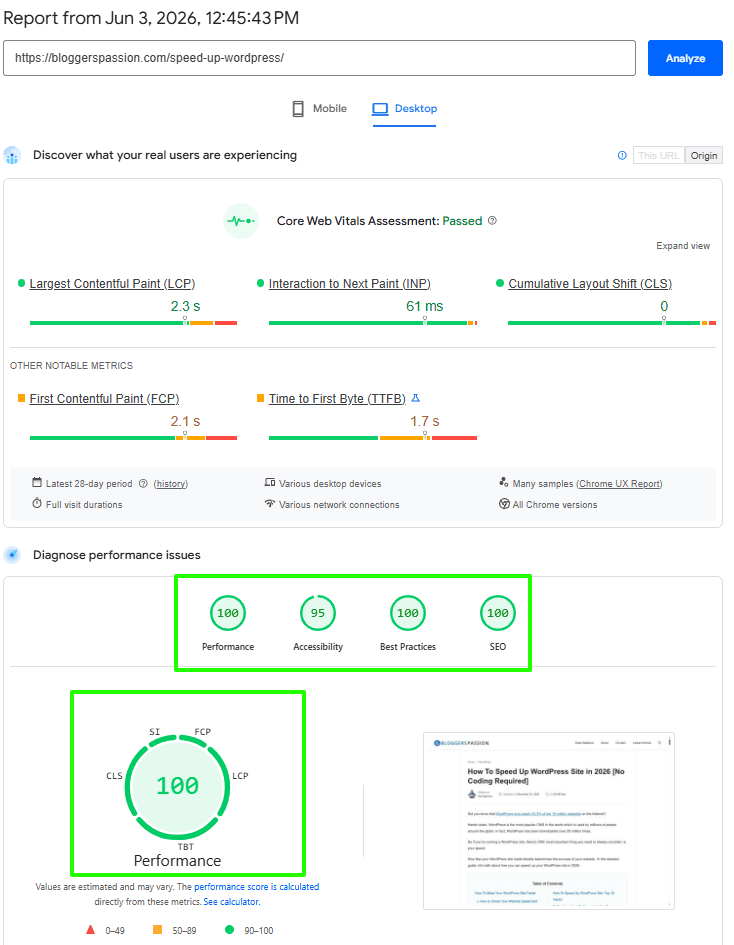
If your visitors are greeted with speed, stability, and seamless performance, both users and search engines will reward you.
10. Writing Titles Nobody Wants to Click
Do you spend hours optimizing their content but only a few minutes writing headlines? It is a huge mistake.
Your blog post title is the first interaction users have with your content. Even if you’re ranking on the first page, a poor title can significantly reduce your click-through rate (CTR).
Google pays close attention to user behavior. If users consistently click competing results instead of yours, your rankings can gradually decline.
Why Most SEO Titles Fail?
- Too generic
- Not benefit-driven
- Lacking curiosity
- Missing emotional triggers
- Identical to competitors
For example: “SEO Mistakes to Avoid.”
Instead – “18 SEO Mistakes That Cost Us 50% of My Organic Traffic (And How I Recovered)”
The second title immediately creates curiosity because it promises a real-world lesson. Numbers improve click-through rates because they make content feel structured and specific.
Also, add specific claims to attract more clicks.
Instead of: “Improve Your SEO”
Write – “7 SEO Fixes That Increased Traffic Within 60 Days”
11. Not Checking Google Search Console Data
If you rarely check Google Search Console, you are missing out on great opportunities. It is like owning a gold mine and never digging.
Search Console provides direct insights from Google about how your website performs in search results.
Hidden Opportunities Most Bloggers Miss
1. Keywords Ranking on Page 2
One of the easiest SEO wins comes from improving pages already ranking between positions 11 and 20. These pages are close to reaching page one. Focus on improving these blog posts.
2. Low CTR Keywords
Suppose a page ranks in position 3 but receives fewer clicks. This indicates:
- Weak title tag
- Weak meta description
- Search intent mismatch
Check these and redo.
3. Content Gaps
Search Console reveals some keywords you never intentionally targeted. You have to use these search phrases to create either new articles or additional sections to the existing ones.
Weekly Search Console Routine
Review:
- Top-performing pages
- Declining pages
- New keyword opportunities
- CTR performance
- Indexing issues
Many SEO improvements start with data, and you can get that data from Search Console.
12. Not Using Schema Markup Properly
Schema markup helps search engines better understand your content. It is an additional context you provide to Google.
Without a schema, Google has to interpret your content. However, with schema, you are telling Google what your content represents.
Schema can be:
- Rich snippets
- FAQ results
- Review stars
- Breadcrumbs
- Enhanced search listings
These features improve click-through rates.
Types of Schema You Should Consider
1. FAQ Schema – Google understands common questions and answers.
2. Article Schema – Provide Author and Publication date
3. Breadcrumb Schema to Improve navigation understanding.
4. Review Schema for product reviews and affiliate content.
Schema alone won’t improve rankings. But when combined with high-quality content, it can improve visibility and CTR.
13. Building Low-Quality Backlinks
Backlinks remain one of Google’s strongest ranking signals. However, not all backlinks are equal. You should pick the authoritative sites to get the backlinks.
Low-Quality Links Are From
- Spam directories
- Automated link-building tools
- Private blog networks
- Irrelevant websites
- Purchase links from low-quality sources
Google has become smart in identifying manipulative link patterns.
How To Get High-Quality Links?
Links from:
- Industry publications
- Relevant blogs
- Trusted media websites
- Research studies
- Expert roundups
These links pass trust and authority.
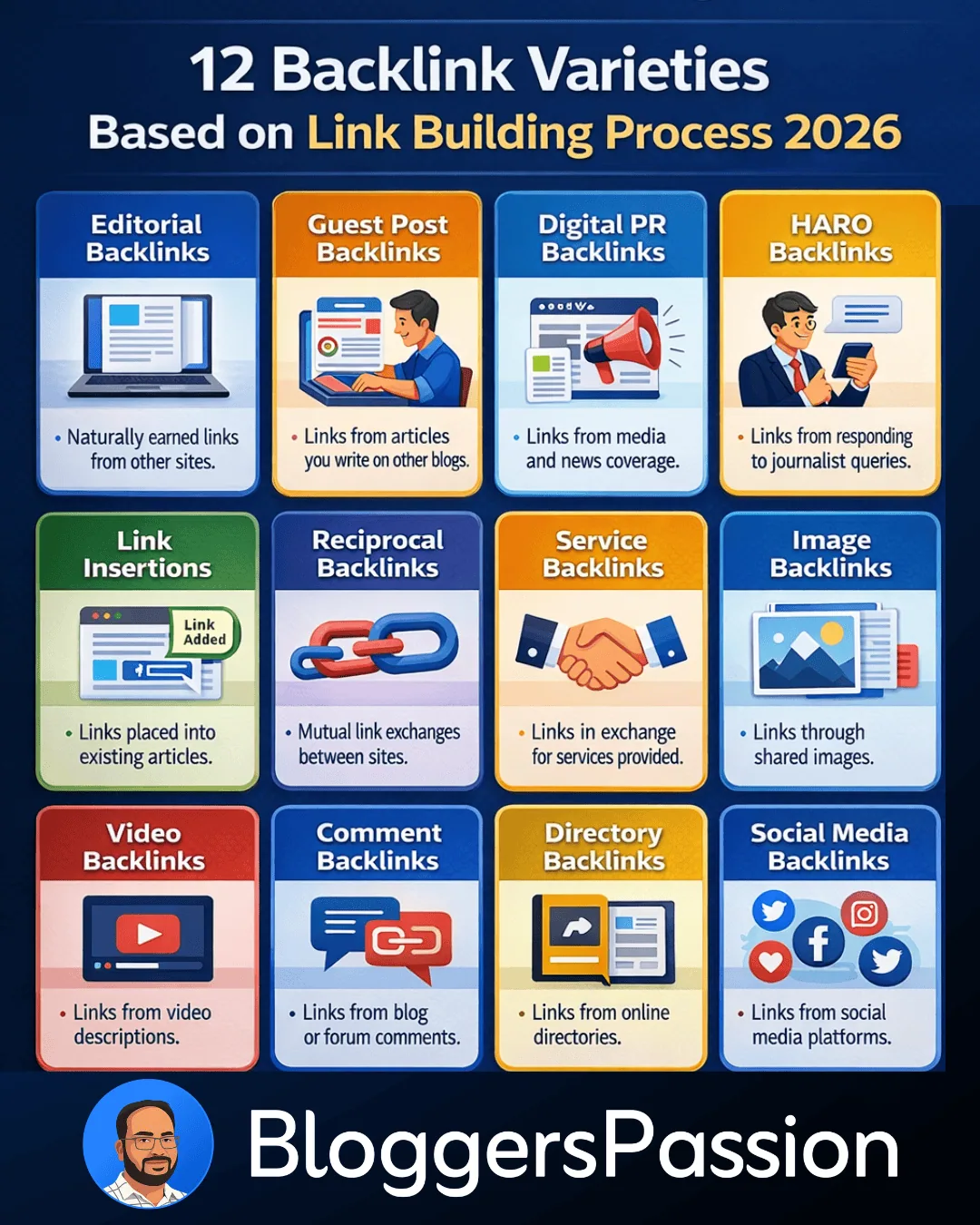
Instead of asking: “How can I build links?” focus on: “How can I create something worth linking to?”
You can produce content with original research, industry surveys, statistics pages, detailed guides, and case studies. This type of content will naturally attract links and make your link-building process easier.
14. Neglecting User Experience
Google measures how users interact with websites. If your visitors leave quickly, rankings may suffer over time. Search engines ultimately want satisfied users.
If readers dislike your website, maintaining rankings becomes difficult. So, you should avoid the following problems.
Common UX Problems
Intrusive Ads – Too many advertisements create frustration.
Poor Formatting – Long paragraphs and unclear headings.
Confusing Navigation – Users struggle to find information quickly.
Mobile Issues – Your site is not responsive for small-screen gadgets.
The easier your content is to consume, the better users respond. And Google notices, better formatting, faster loading, easy navigation, clear headings, and Mobile optimization.
15. Creating Affiliate Content Without Testing Products
Generic reviews are losing visibility! Google prefers authentic recommendations and evidence; even your readers too!
So, you should avoid repeating the manufacturer information, rewriting their features & pricing plans and modifying competitor content. These have less value.
What Modern Product Reviews Require
First-Hand Experience – Explain how you used the product.
Screenshots – Show actual usage.
Real Results – Demonstrate outcomes.
Honest Limitations – Discuss drawbacks.
Trust increases when you share your real experience with the product or service you have used.
For example, instead of saying: “This SEO tool is excellent.”
Say: I have used this tool to identify 100+ internal linking opportunities and tweaked organic traffic by 18% over three months.”
This specific experience builds credibility.
16. Chasing Algorithms Instead of Helping Users
This is the most important lesson that I’ve learned over the years. In my early blogging days, I worried about Google algorithms and searched for ranking hacks and loopholes.
Then I understand that the search engine algorithms change constantly. Strategies that work today may stop working tomorrow.
Building your business around loopholes is risky. Focus on creating useful content with better problem-solving ability. It will remain valuable regardless of algorithm updates.
Instead of asking: “Will Google rank this?”
Ask: “Does this genuinely solve my readers’ problem?” This mindset changes everything.
Future-Proof SEO Strategy
Create content that:
- Solves real problems
- Demonstrates experience
- Provides unique insights
- Builds trust
- Helps users succeed
Google’s goal is to surface the most helpful content. Your goal should be to create it. When these goals align, it will be easier for your content to rank high.
17. Not Optimizing Your Content For AI Results
Are you still focusing only on Google rankings? Don’t know that AI search is evolving?
Today, AI-powered platforms are generating direct answers, recommendations, and summaries and if your content isn’t being cited, you’re losing valuable visibility.
I’ve noticed that the pages mentioned in AI search results aren’t necessarily the ones with the highest search engine rankings.
These pages provide the clearest answers, demonstrate genuine expertise, and offer unique insights that AI systems can confidently reference.
If your content is generic, keyword-stuffed, or simply rehashes what everyone else has already said, then the chances are less to get mentioned in AI search results.
To increase your chances of appearing in AI-generated answers:
- Share your expert insights.
- Answer questions directly and clearly.
- Back up claims with data, examples, and credible sources.
- Structure your content with logical headings and FAQs.
- Build topical authority around your niche rather than targeting keywords.
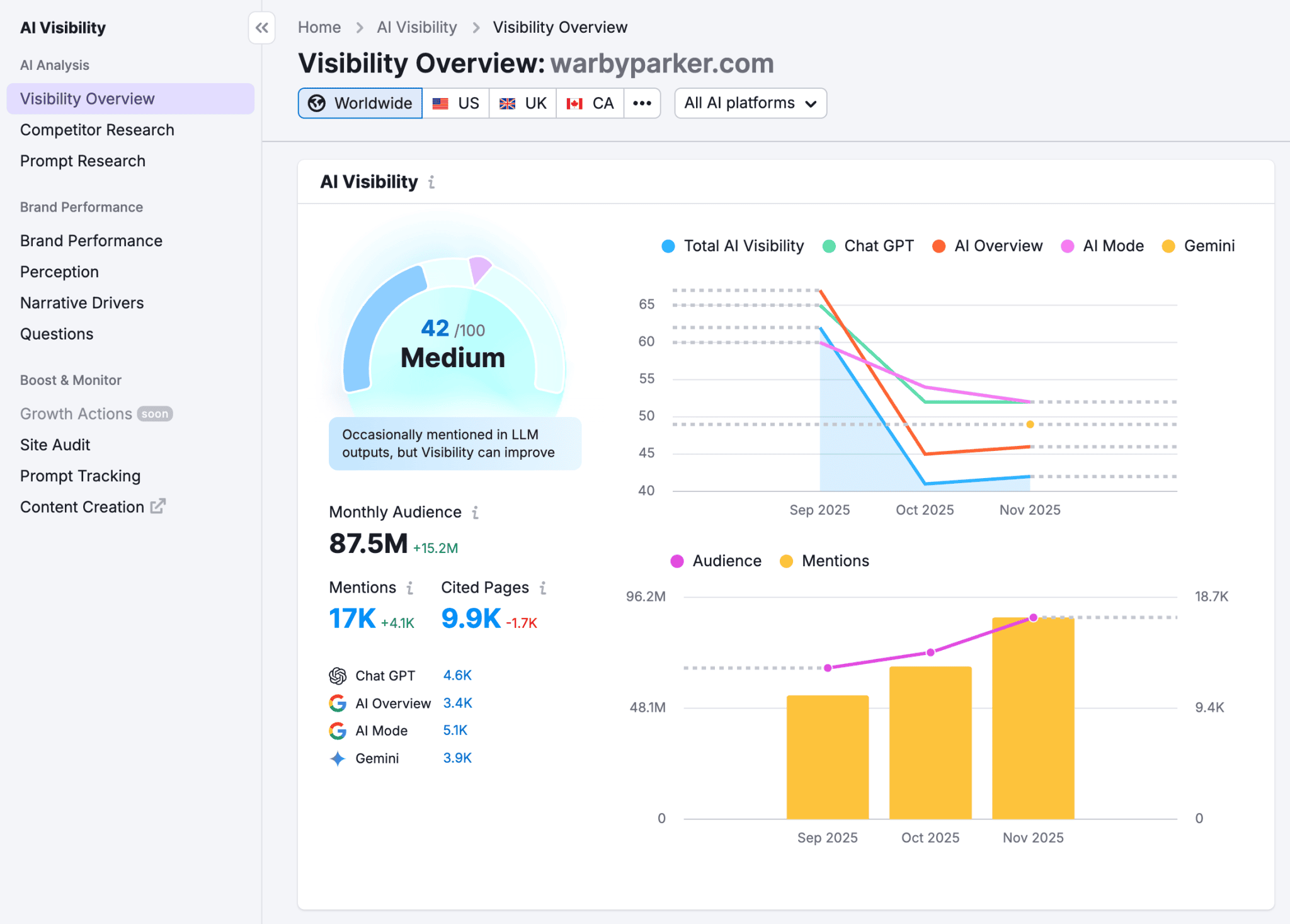
Think of AI search as the digital version of word-of-mouth marketing. The more useful and original your content is, the more likely AI systems are to cite it when users ask related questions.
18. Never Pruning Low-Quality Content
One of the biggest SEO lessons I’ve learned after publishing hundreds of articles is that more content doesn’t always mean better rankings.
For years, I believed every published article added value to my website. After conducting several content audits, I found dozens of outdated posts, thin articles, and pages receiving little to no organic traffic.
These pages weren’t helping my SEO. In many cases, they diluted topical authority, wasted crawl budget, and created unnecessary competition on my own site.
What Is Content Pruning?
Content pruning is the process of identifying low-performing content and deciding whether to:
- Update it
- Merge it with a stronger article
- Redirect it
- Remove it completely
Signs That Content Needs Pruning
- Zero organic traffic for months
- Outdated information
- Thin content with little value
- Keyword cannibalization
- Low engagement and poor user experience
Whenever I audit a website, I ask three questions:
- Does this page generate traffic?
- Does it support my topical authority?
- Would I publish this article again today?
If the answer is “no” to all three, it usually needs updating, consolidating, or removing.
Content pruning helps search engines focus on your best content while improving overall website quality. Sometimes, removing weak pages can produce better SEO results than publishing new ones.
19. Skipping Technical SEO
From my experience, I’ve seen websites with excellent content struggle to rank simply because search engines couldn’t efficiently crawl, index, or understand their pages.
Technical SEO forms the foundation of your website’s search performance. Without it, even the best content may not achieve its full ranking potential.
| Common Technical SEO Issues | Impact on SEO |
| Slow page loading speed | Poor user experience and lower rankings |
| Broken links (404 errors) | Crawl issues and loss of link equity |
| Poor mobile optimization | Reduced visibility in mobile search results |
| Missing or incorrect XML sitemap | Search engines may miss important pages |
| Crawl and indexing errors | Pages may not appear in search results |
| Poor site structure | Makes navigation difficult for users and search engines |
| Duplicate content issues | Can confuse search engines and dilute rankings |
| Missing structured data | Reduces eligibility for rich search results |
| HTTPS/security issues | Can affect trust, user confidence, and rankings |
| Incorrect redirects | May lead to crawl inefficiencies and ranking loss |
How To Fix it?
- Conduct regular technical SEO audits.
- Improve page speed by optimizing images, code, and server performance.
- Ensure your website is fully mobile-friendly.
- Fix broken links and redirect outdated URLs.
- Submit and maintain an XML sitemap.
- Monitor crawl and indexing issues using Google Search Console.
- Implement structured data where relevant.
- Create a clear and logical website architecture.
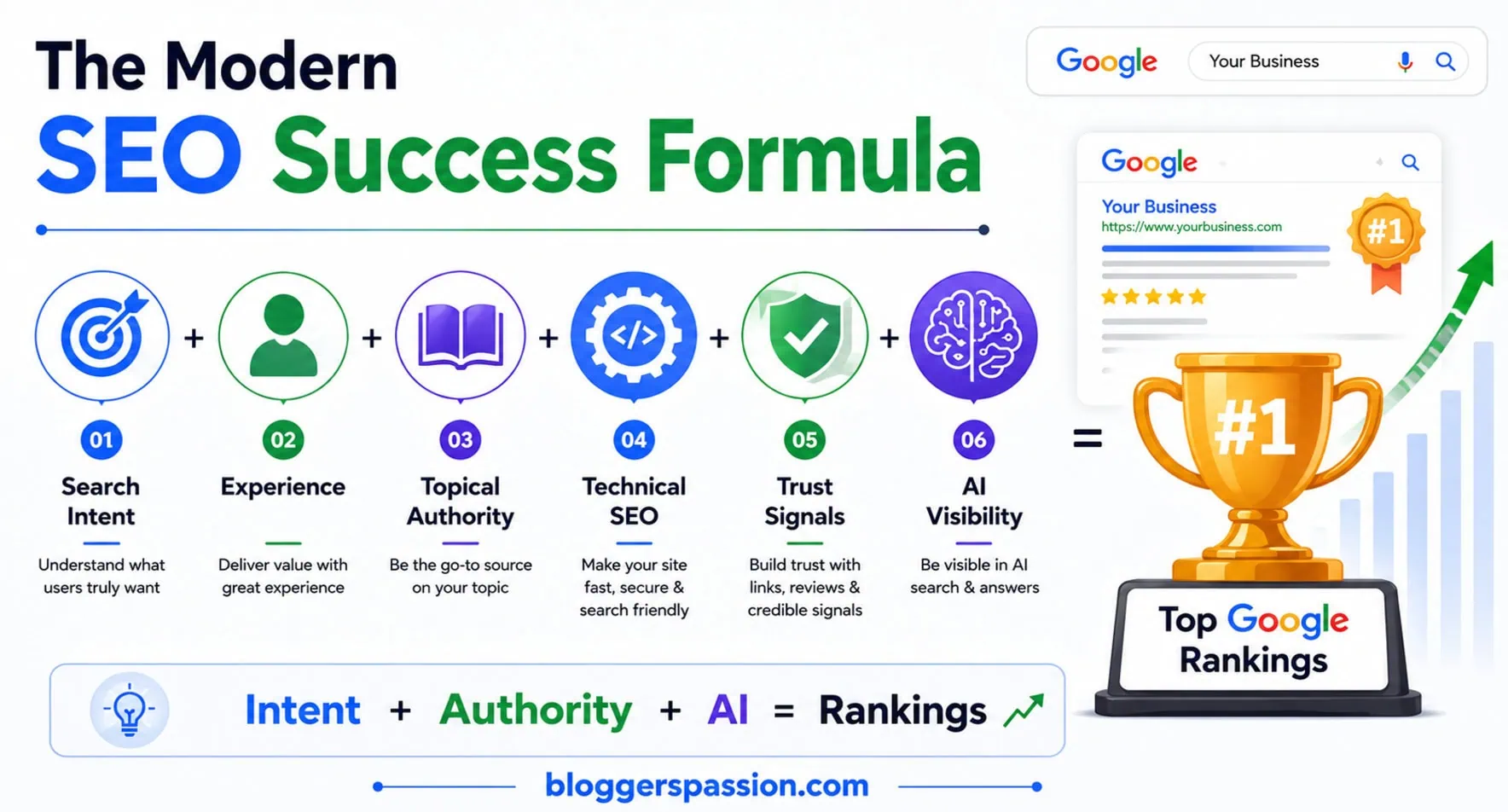
By regularly addressing technical SEO issues, you can increase organic traffic and maximize the impact of your content efforts.
Final Thoughts
After analyzing hundreds of websites and running BloggersPassion for more than a decade, I have learned what SEO mistakes I have made and how to fix them properly.
Don’t lose your Google rankings by
- Ignoring search intent
- Publishing generic content
- Neglecting EEAT
- Building weak topical authority
- Avoiding user experience
- Chasing shortcuts
SEO is no longer just about ranking higher! It’s about creating a website that search engines trust, users enjoy, and AI platforms can confidently recommend.
Frequently Asked Questions
What is the biggest SEO mistake in 2026?
Ignoring search intent is the most damaging SEO mistake because even perfectly optimized pages struggle to rank when they fail to satisfy user expectations.
How often should I update old blog posts?
High-performing articles should be reviewed every 6 to 12 months, while competitive topics may require quarterly updates.
How many internal links should a blog post contain?
There is no fixed number, but every article should naturally link to relevant supporting content that improves user experience and topical authority.
What is keyword cannibalization?
Keyword cannibalization occurs when multiple pages target the same keyword, causing them to compete against each other and dilute ranking potential.







Hello,
Thank you Sir fir this post. It relly help me alot in my blog's SEO. I love this article. I'm waiting for your new post.
Thank you.