


9 out of 10 startups fail.
It’s a harsh truth.
But some entrepreneurs prove those numbers wrong.
For example, Jeff Bezos started Amazon by selling books from a garage. Sara Blakely had just $5000 in her bank account when she created Spanx. Elon Musk slept on his factory floor to keep Tesla alive.
And… this is the small garage where Google’s journey started in 1998. Now, Google is worth $3.72 trillion!

These people didn’t have any secret formula. They just didn’t give up.
So, what separates them from the rest?
That’s exactly what this list is about.
Here, you’ll find 24 of the most famous entrepreneurs in the world. You’ll learn what they built, how they got started, and one takeaway from each story that you can actually use.
Quick Look: 24 Famous Entrepreneurs at a Glance
Here’s a quick look at all famous entrepreneurs, their companies, and their net worth (as of 2026).
| Entrepreneur | Company | Net Worth (2026) |
|---|---|---|
| Elon Musk | Tesla, SpaceX, xAI | $839 Billion |
| Jeff Bezos | Amazon, Blue Origin | $224 Billion |
| Bill Gates | Microsoft | $107 Billion |
| Larry Page | Google/Alphabet | $257 Billion |
| Sergey Brin | Google/Alphabet | $237 Billion |
| Mark Zuckerberg | Meta | $222 Billion |
| Steve Jobs | Apple | $10.2 Billion* (Died 2011) |
| Larry Ellison | Oracle | $206 Billion |
| Sam Walton | Walmart | Died 1992* |
| Michael Dell | Dell Technologies | $147 Billion |
| Warren Buffett | Berkshire Hathaway | $155 Billion |
| Mukesh Ambani | Reliance, Jio | $99.7 Billion |
| Steve Ballmer | Microsoft, LA Clippers | $157 Billion |
| Jack Ma | Alibaba | $30 Billion |
| Howard Schultz | Starbucks | $5.4 Billion |
| Brian Chesky | Airbnb | $13.4 Billion |
| Reed Hastings | Netflix | $7.5 Billion |
| Garrett Camp | Uber | $5.3 Billion |
| Melanie Perkins | Canva | $5.8 Billion |
| Tobi Lütke | Shopify | $11.6 Billion |
| Nithin Kamath | Zerodha | $3.9 Billion |
| Sam Altman | OpenAI | $2 Billion |
| Jensen Huang | NVIDIA | $117 Billion |
| Dario Amodei | Anthropic | ~$1 Billion |
Now let’s look at each of them in detail. We’ve grouped them into FOUR categories to make browsing easier.
Tech Visionaries Who Changed the World
From search engines to smartphones to electric cars, here are a few tech entrepreneurs who changed how the world works.
1. Elon Musk
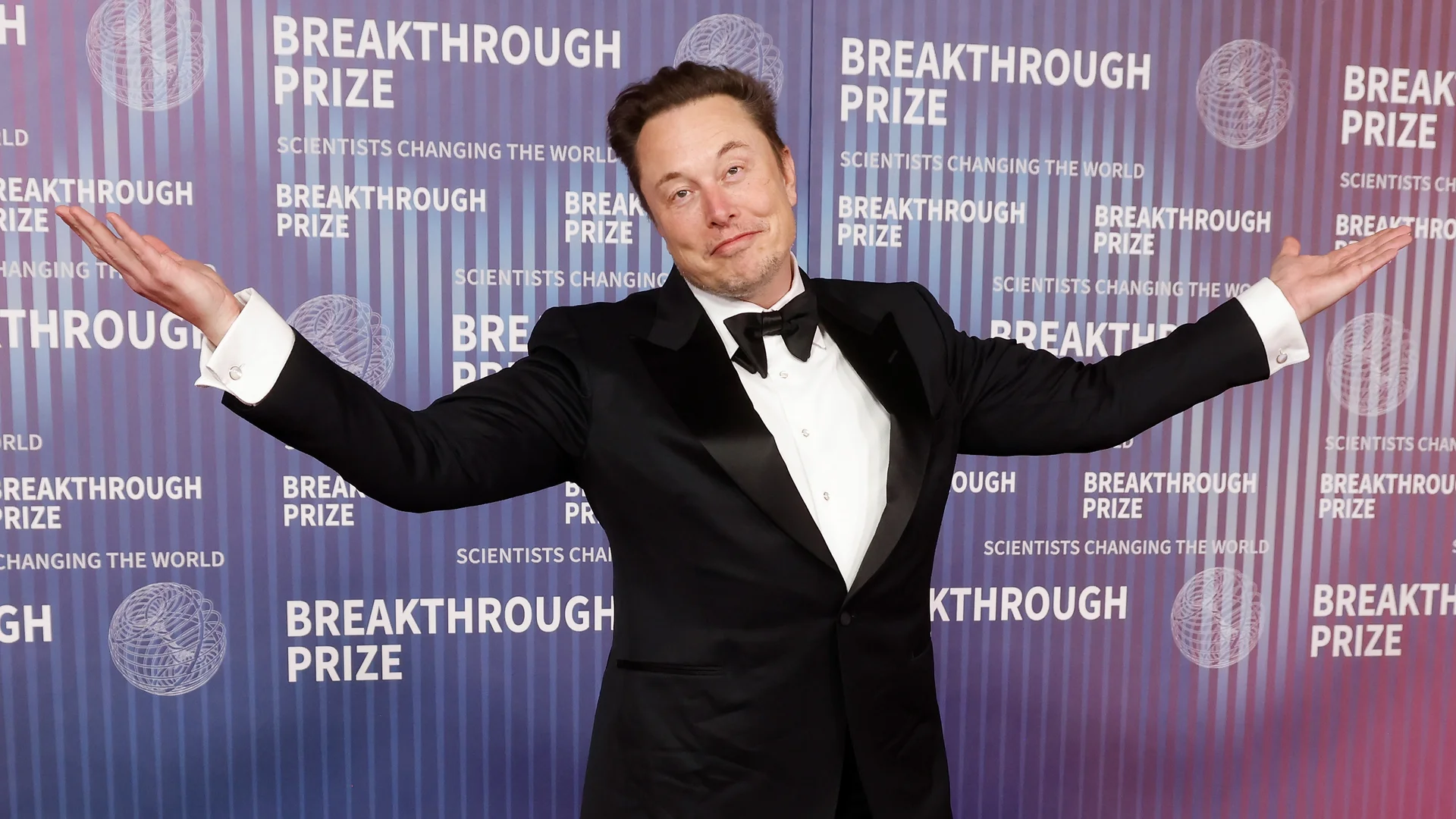
Company: Tesla, SpaceX, xAI Net Worth: $839 Billion
Elon Musk is the richest person in history. No one has even come close to his net worth.
He started with Zip2, a simple online maps business. Then came PayPal. After that, Tesla, SpaceX, Neuralink, The Boring Company, and now xAI.
What makes Musk different? He goes all-in on ideas that sound crazy. When people laughed at reusable rockets, he built one. When Tesla was weeks from going bankrupt in 2008, he put in his last dollar. That’s why he’s a tech visionary.
Takeaway: Think bigger than everyone else. Then outwork them.
2. Jeff Bezos
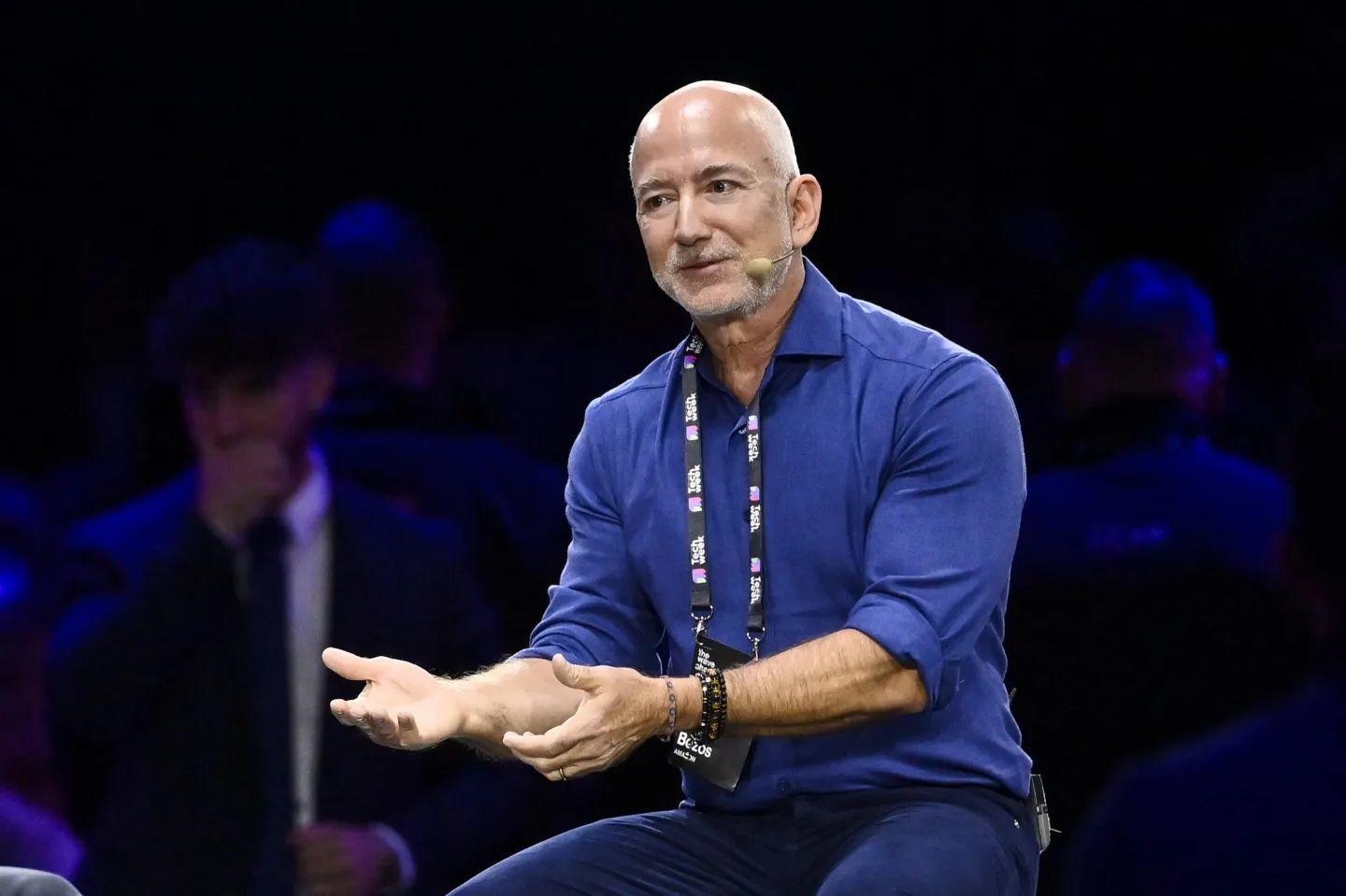
Company: Amazon, Blue Origin Net Worth: $224 Billion
Jeff Bezos started Amazon in his garage in 1994. His first product? Books.
Most people thought an online bookstore wouldn’t work. But Bezos wasn’t trying to build a bookstore. He was building the Everything Store.
Today, Amazon does everything. eCommerce, cloud computing (AWS), streaming (Prime Video), and even voice assistants (Alexa). AWS alone runs a big part of the internet, including Netflix and NASA.
Takeaway: Start small. Think big. And play the long game.
Want more inspiration to build your hustle? Don’t miss our handpicked collection of the best network marketing quotes from top business leaders and entrepreneurs.
3. Bill Gates
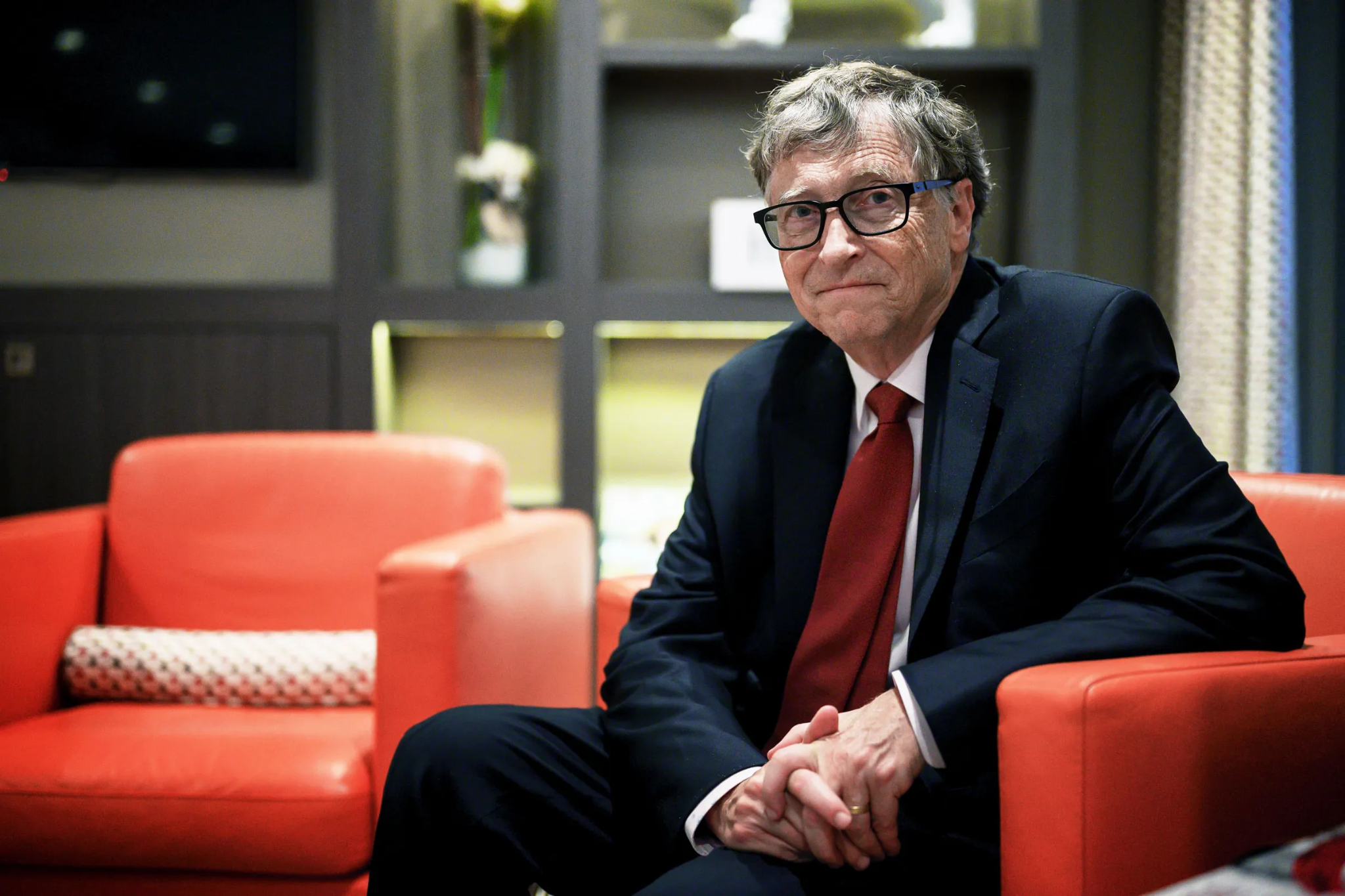
Company: Microsoft Net Worth: $107 Billion
Bill Gates didn’t invent the computer. But he made it useful for normal people.
In 1975, he dropped out of Harvard and founded Microsoft. His biggest move? Creating Windows, an operating system so simple that anyone could use a PC.
That one product changed everything. By the 2000s, Windows was on almost every computer in the world.
He’s also a philanthropist who has donated over $50 billion to fight disease, improve education, and reduce poverty.
Takeaway: Build something useful. Then use your success to help others.
4. Larry Page
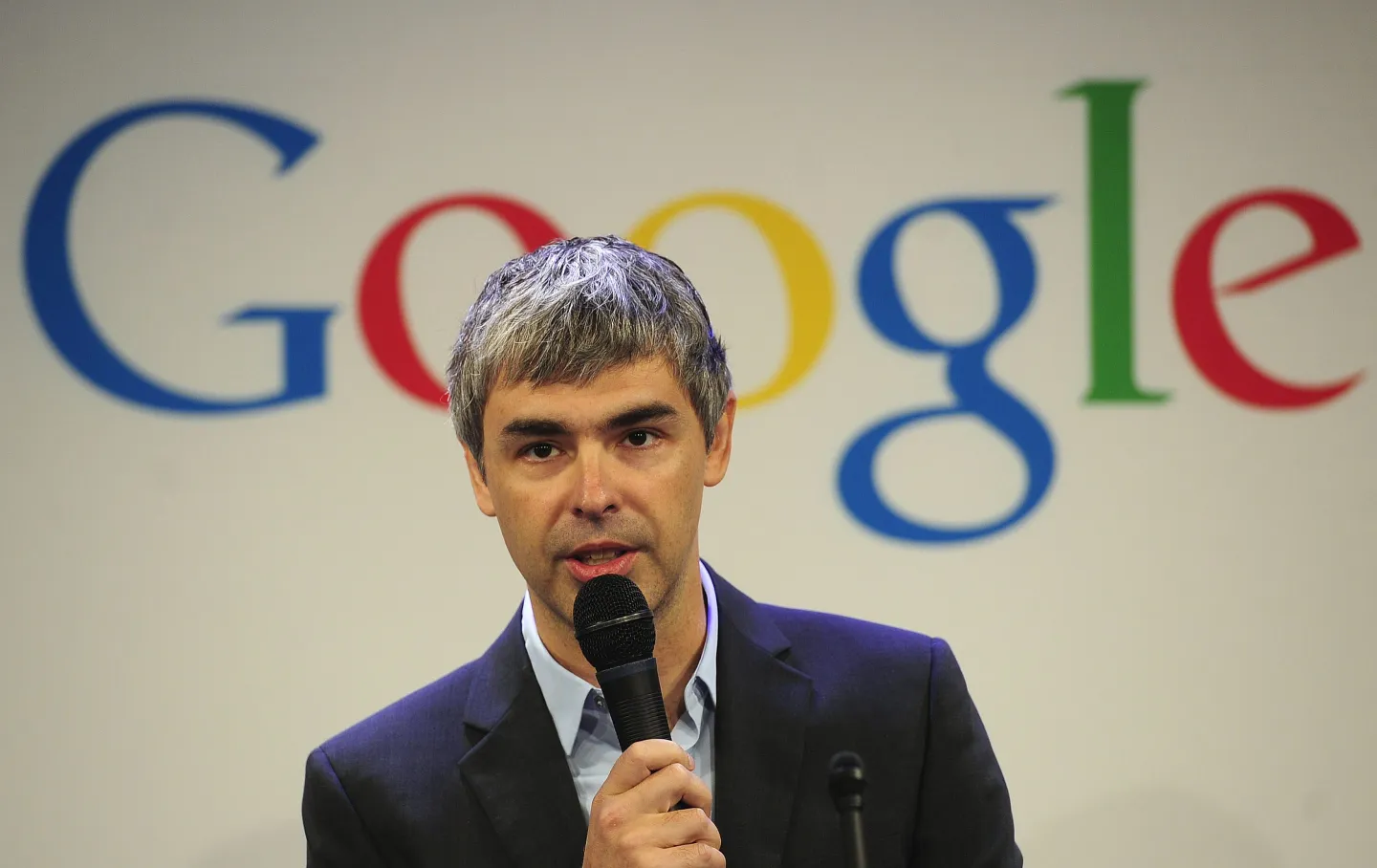
Company: Google/Alphabet Net Worth: $257 Billion
Larry Page co-founded Google in 1998 while he was a student at Stanford.
At that time, search engines were trash. You’d search for something and get random pages.
Google fixed that with a clean interface.
His big idea? Rank web pages by how many other pages link to them. That system (called PageRank) made Google the best search engine. That’s why it took off.
Today, Google handles over 16 billion searches every day. And Page’s company, Alphabet, owns YouTube, Android, Waymo (self-driving cars), and DeepMind (AI research).
Takeaway: Solve one problem really well.
5. Sergey Brin
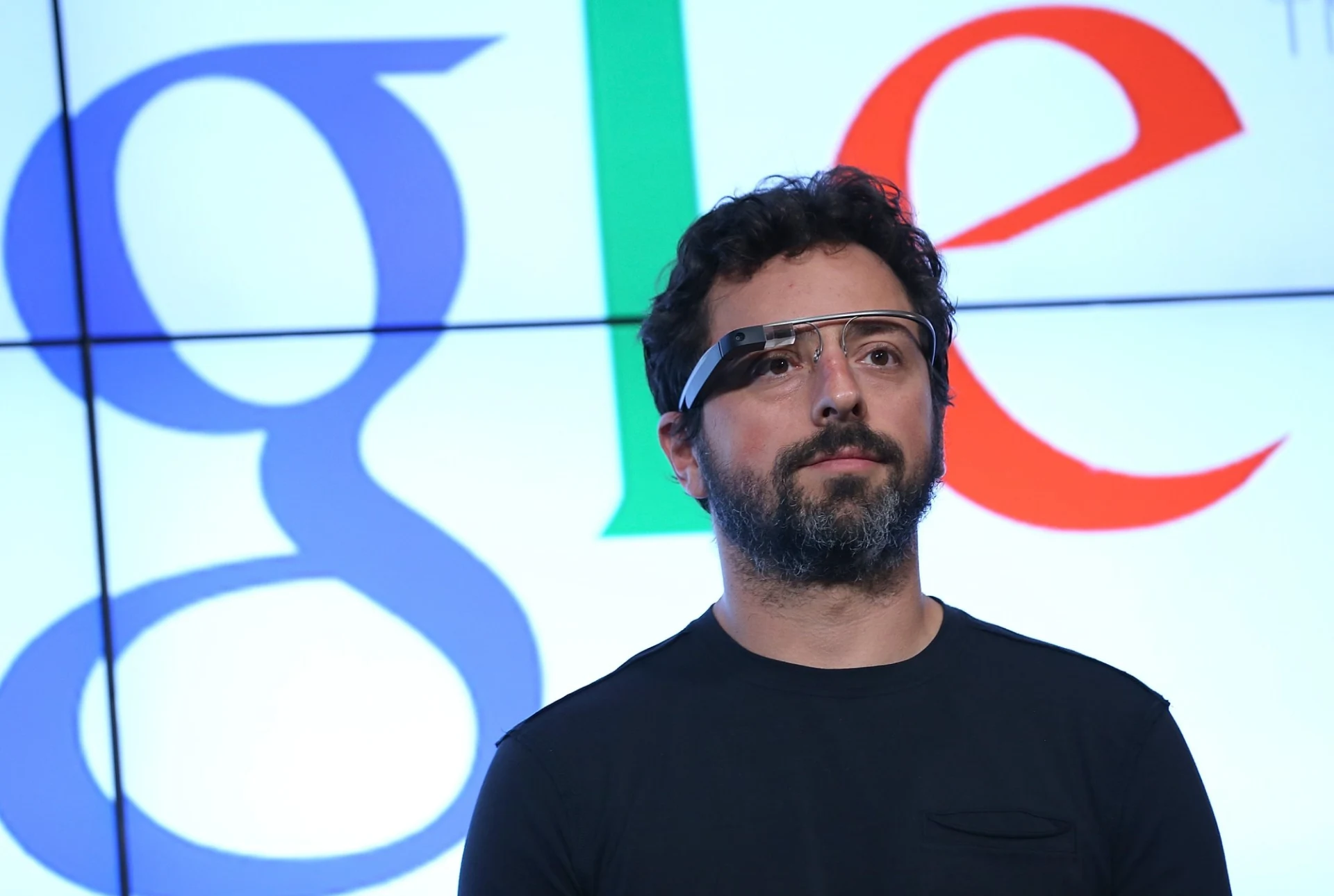
Company: Google/Alphabet Net Worth: $237 Billion
Sergey Brin is the other founder of Google.
He was born in Russia, and his family moved to the US when he was only six. He met Larry Page at Stanford, and the two of them built Google’s search engine in a small garage.
While Page focused more on the business side, Brin experimented with bigger ideas. Google X (now just X or The Moonshot Factory) was his idea.
This is where the crazy stuff came from: self-driving cars, Google Glass, and even the internet from balloons (Project Loon).
Takeaway: Don’t stop at your first success. Keep experimenting.
Read: 105+ ULTIMATE Network Marketing Quotes of 2026 [By Top Leaders]
6. Mark Zuckerberg
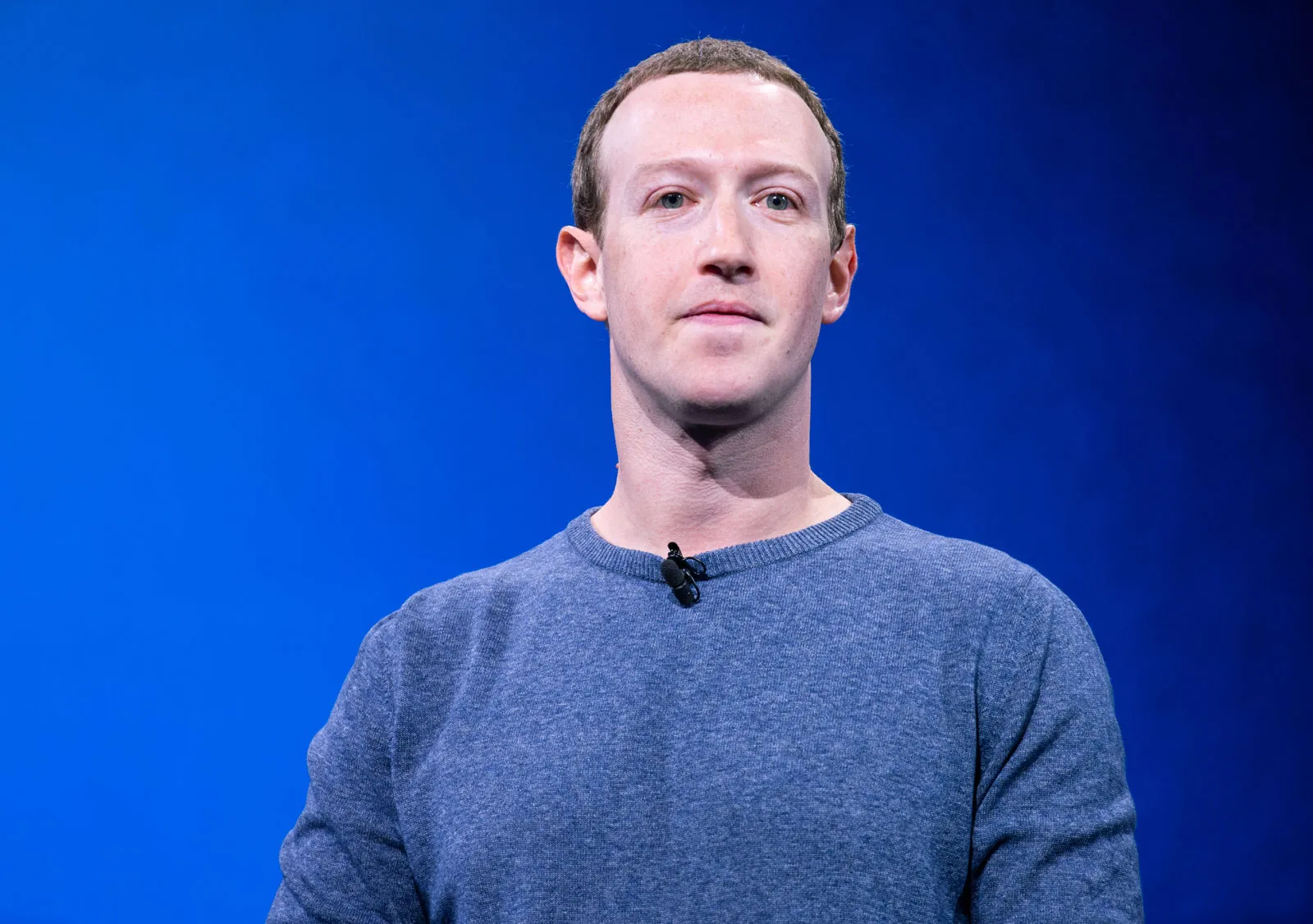
Company: Meta (Facebook, Instagram, WhatsApp) Net Worth: $222 Billion
Mark Zuckerberg built Facebook from his Harvard dorm room in 2004.
It started as a way for college students to connect. Within a few years, it became the world’s biggest social network, with over 3 billion monthly users today.
But Zuckerberg didn’t stop there. He bought Instagram in 2012 for $1 billion. He bought WhatsApp in 2014 for $19 billion. At the time, both deals looked insane. Today, both turned out to be genius moves.
In 2021, he renamed Facebook to Meta and went all-in on the metaverse and AI.
Takeaway: Buy what you can’t build. That’s where Zuckerberg won big. His smartest moves were acquisitions.
7. Steve Jobs (1955–2011)
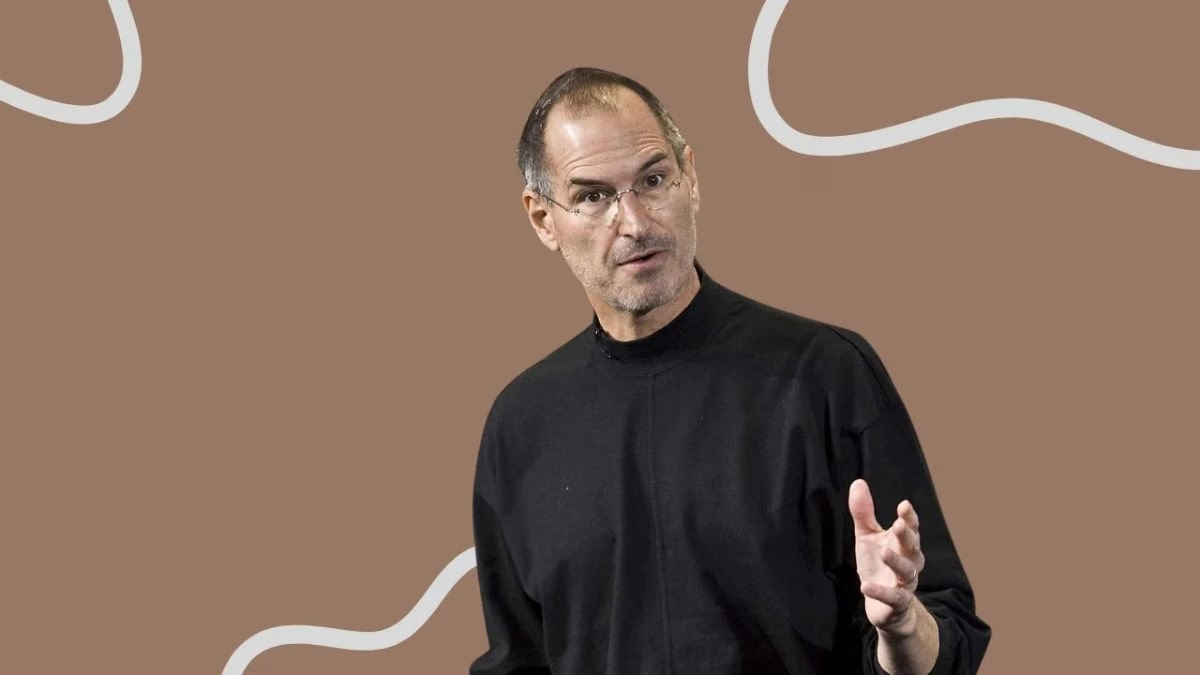
Company: Apple Net Worth at Death: $10.2 Billion
Steve Jobs didn’t just build products. He built AMAZING experiences.
He co-founded Apple in 1976 in a garage. Then he got fired from his own company in 1985. Most people would’ve given up. Jobs came back in 1997 and turned Apple into the most valuable company on Earth.
The iPod. The iPhone. The iPad. The Mac. Each one changed an entire industry.
Jobs passed away in 2011. But his impact is everywhere. Every time you pick up an iPhone, that’s his legacy.
Takeaway: Getting fired is NOT the end. Sometimes it’s the start of something even bigger.
8. Larry Ellison
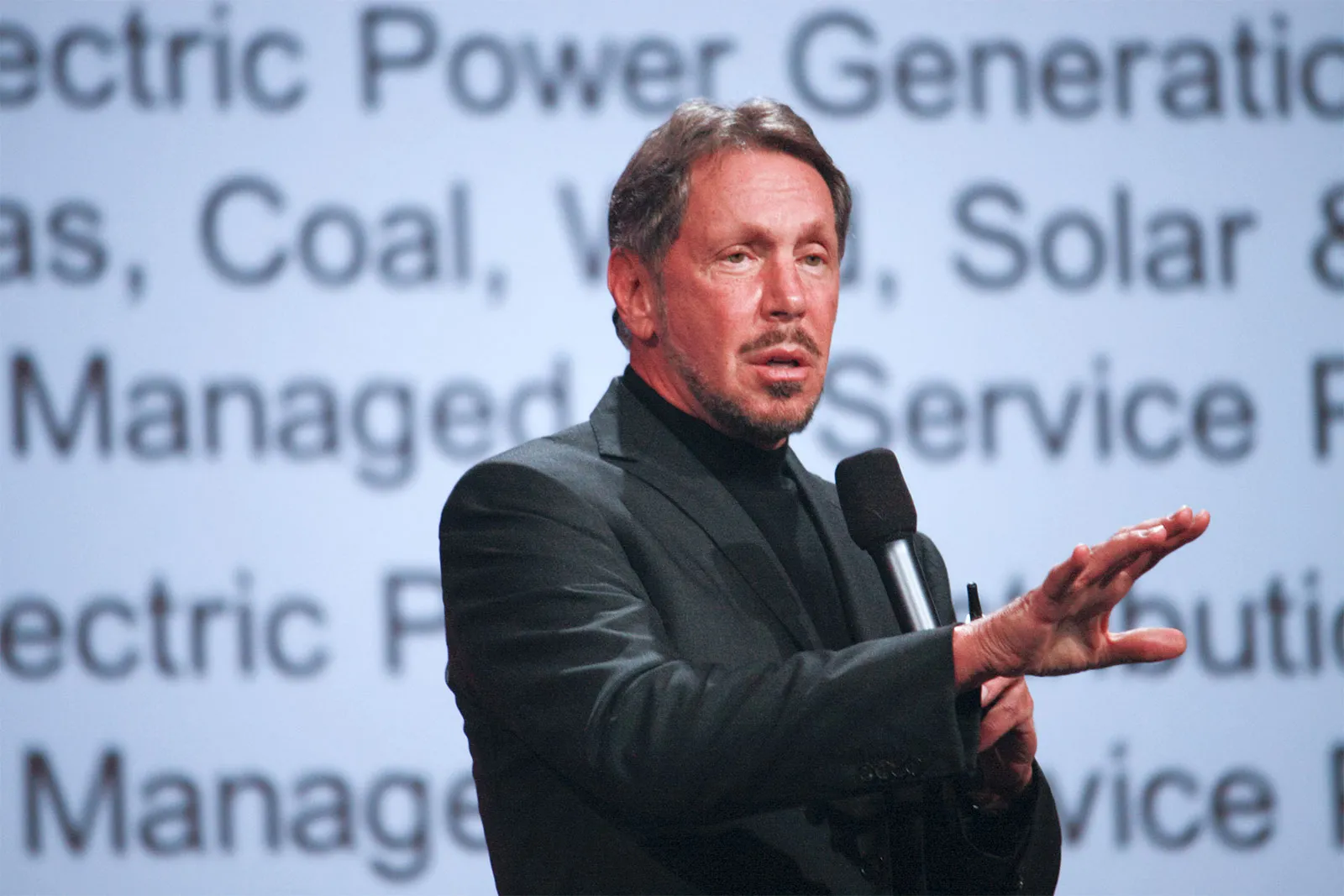
Company: Oracle Net Worth: $206 Billion
Larry Ellison co-founded Oracle in 1977 with just $2000.
His goal was simple: build a database that could handle massive data.
Today, Oracle runs almost everything, including banks, hospitals, airlines, and governments worldwide.
Ellison is now one of the richest people in the world, thanks to Oracle’s move into AI.
He didn’t stop at databases. He kept improving and growing the business. That’s why he’s still on top.
Takeaway: You don’t need a degree to build a billion-dollar company. You need a gap in the market and the guts to fill it.
Ready to start your own business? Pick from one of these most profitable niches where smart founders are generating huge money today.
Self-Made Empire Builders
These entrepreneurs didn’t start in tech. They built massive businesses from scratch through hustle and a proper understanding of their customers.
9. Sam Walton (1918–1992)
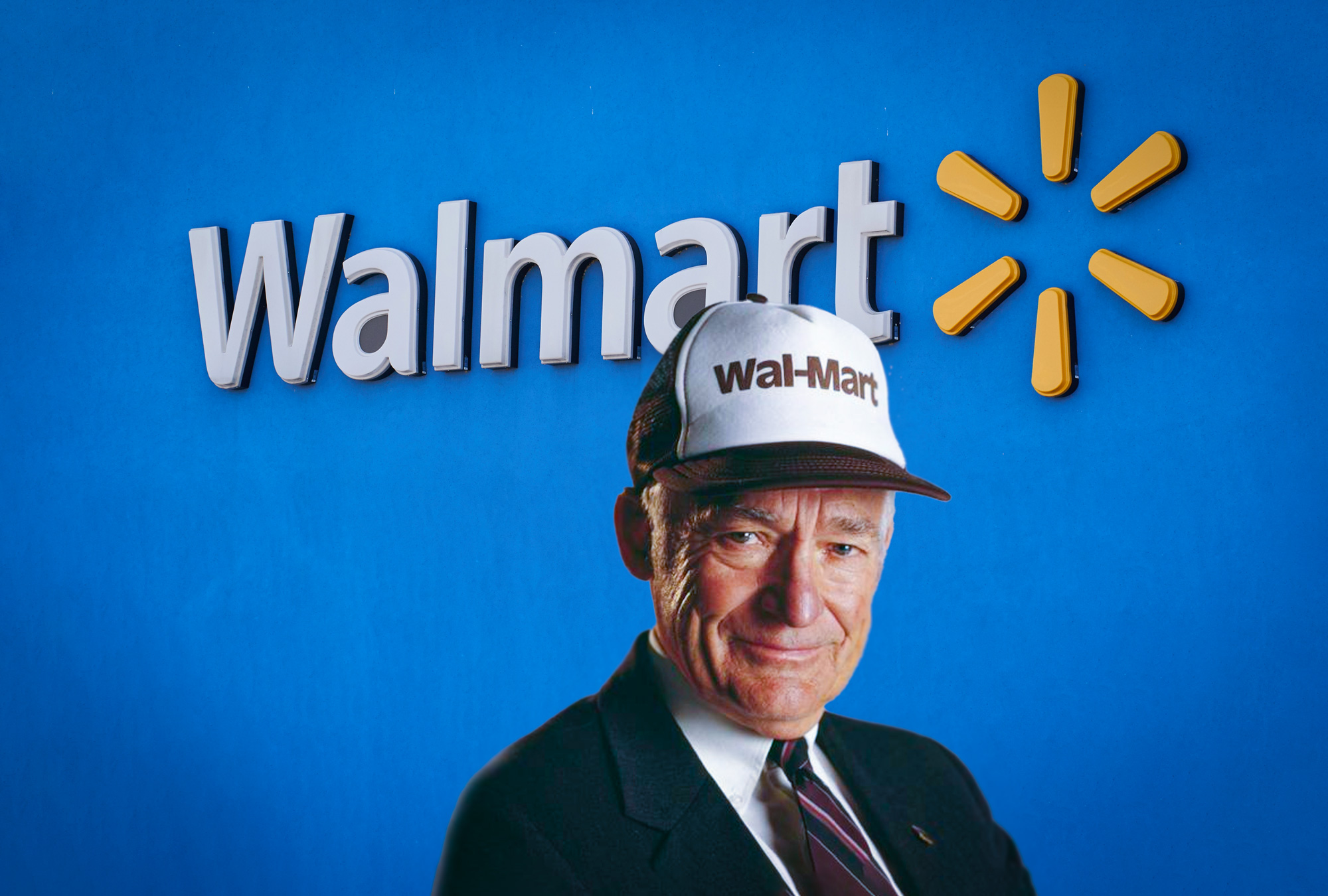
Company: Walmart Net Worth at Death: $23 Billion
Sam Walton opened his first store in 1962 in a small town in Arkansas.
His whole idea was dead simple: sell everything at the lowest price possible.
Other retailers ignored small towns. Walton focused ONLY on them. He built Walmart in places where nobody else wanted to open a shop.
By the time competitors noticed, Walmart was already everywhere.
Today, Walmart is the world’s largest retailer, with over 10,800 stores in 19 countries.
Takeaway: Go where your competition won’t. That’s where the opportunity is.
10. Michael Dell
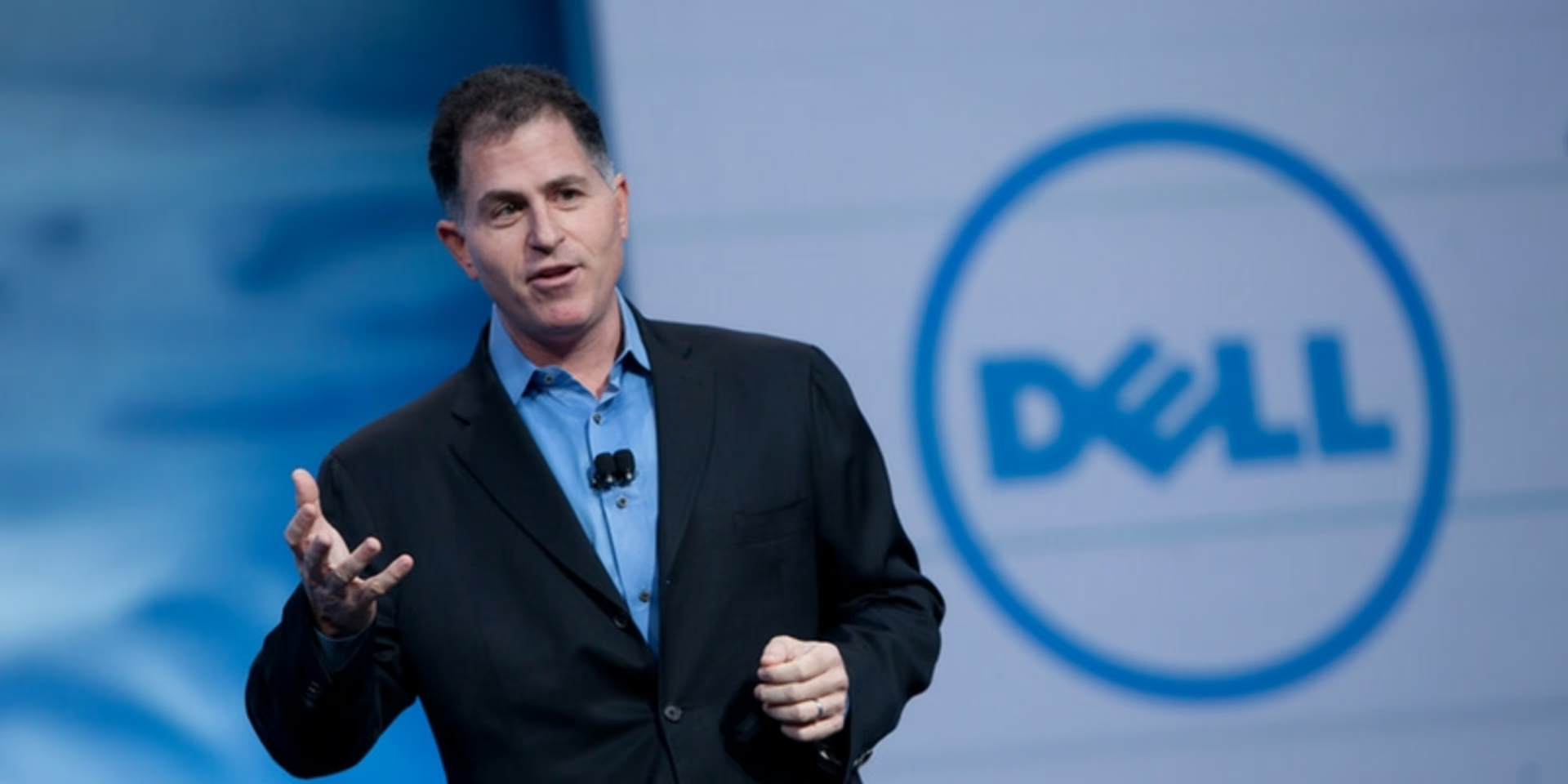
Company: Dell Technologies Net Worth: $147 Billion
Michael Dell started building computers in his college dorm room when he was just 19.
His idea? Skip the middleman. Sell custom PCs directly to the customer.
That one move gave Dell lower prices and faster delivery than everyone else. By 27, he was the youngest CEO on the Fortune 500 list.
Takeaway: Cut the middleman. Sell direct. It worked in 1984, and it still works today.
11. Warren Buffett
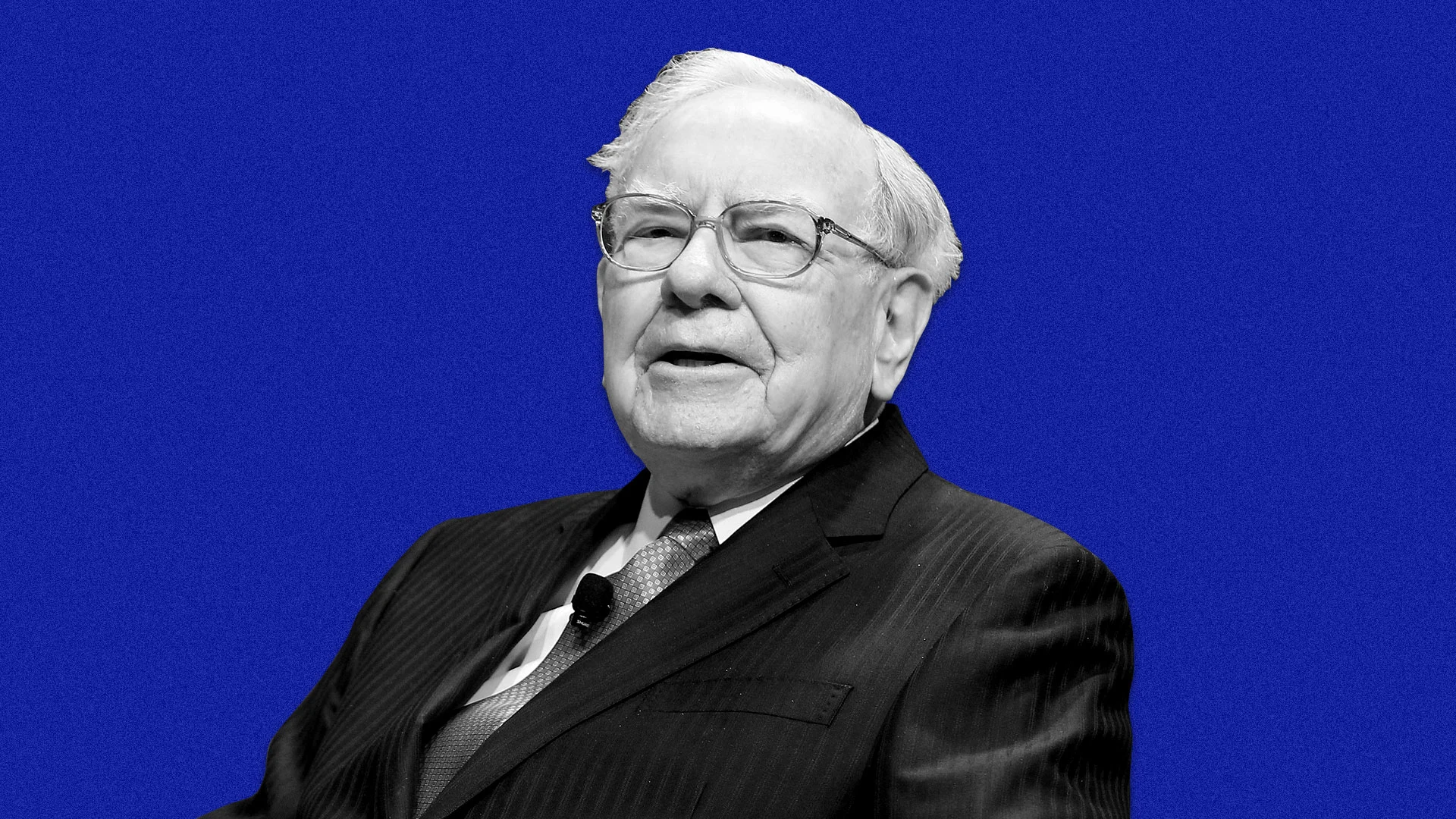
Company: Berkshire Hathaway Net Worth: $155 Billion
Warren Buffett bought his first stock at age 11. He thought he started too late (he often mentions that!).
That tells you everything about how this man thinks.
He didn’t build an app or invent a product. He just bought great companies and held onto them forever. Coca-Cola. Apple. American Express. He still holds all of them.
His company, Berkshire Hathaway, is now worth over $1 trillion.
Takeaway: Patience is a strategy. The best investors buy and hold.
12. Mukesh Ambani
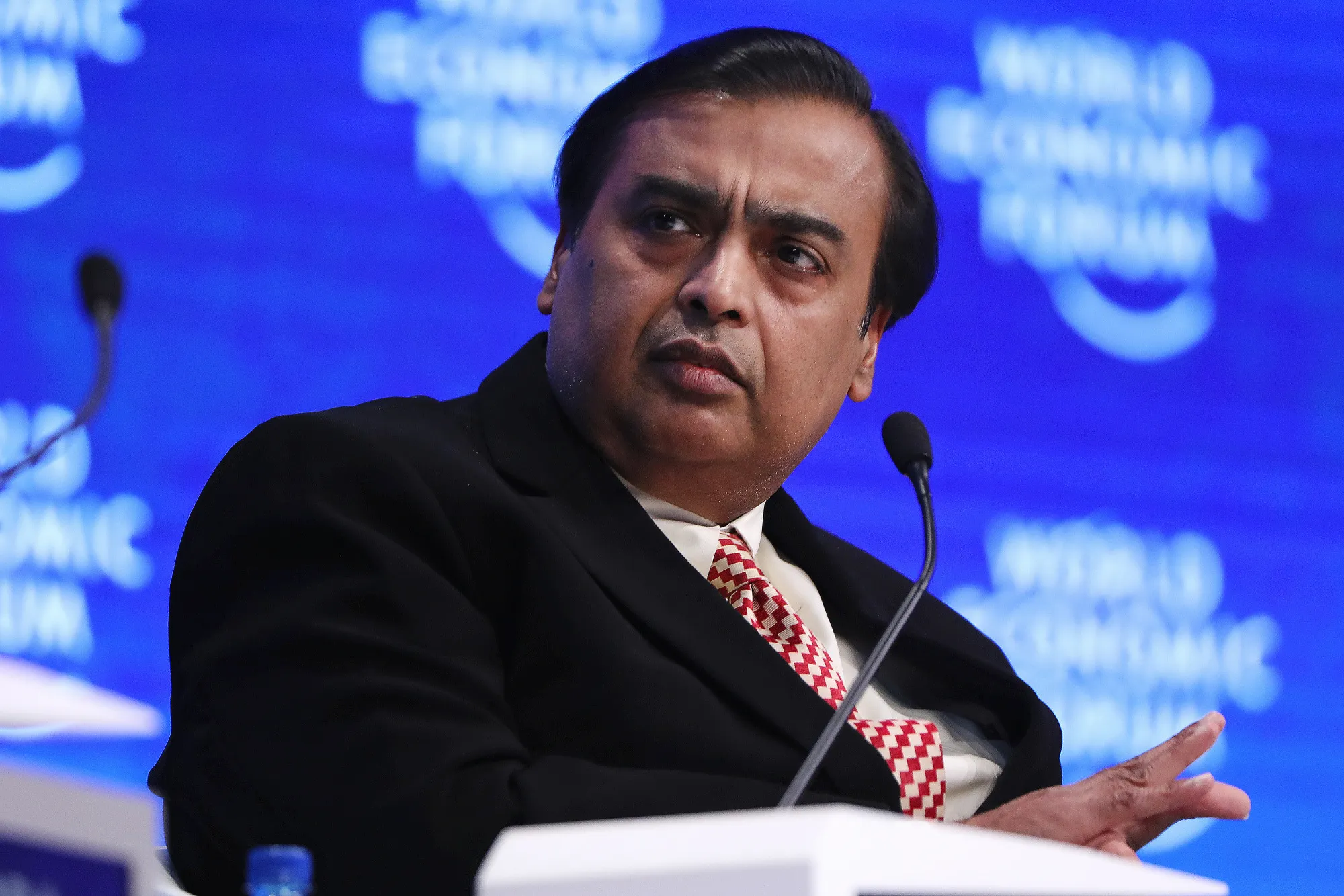
Company: Reliance Industries, Jio Net Worth: $99.7 Billion
Mukesh Ambani is India’s richest person. And he changed the way an entire country uses the internet.
In 2016, he launched Jio, a telecom network that offered free calls and the lowest data prices. Overnight, millions of Indians who couldn’t afford internet access suddenly went online.
Competitors were furious. Some went bankrupt (Vodafone!). Jio now has over 500 million users.
Takeaway: Focus on offering your products at cheap rates. When you make something affordable, the market comes to you.
Inspired by Indian founders? Check out the top Indian blogs where bloggers and entrepreneurs share what actually works.
13. Steve Ballmer
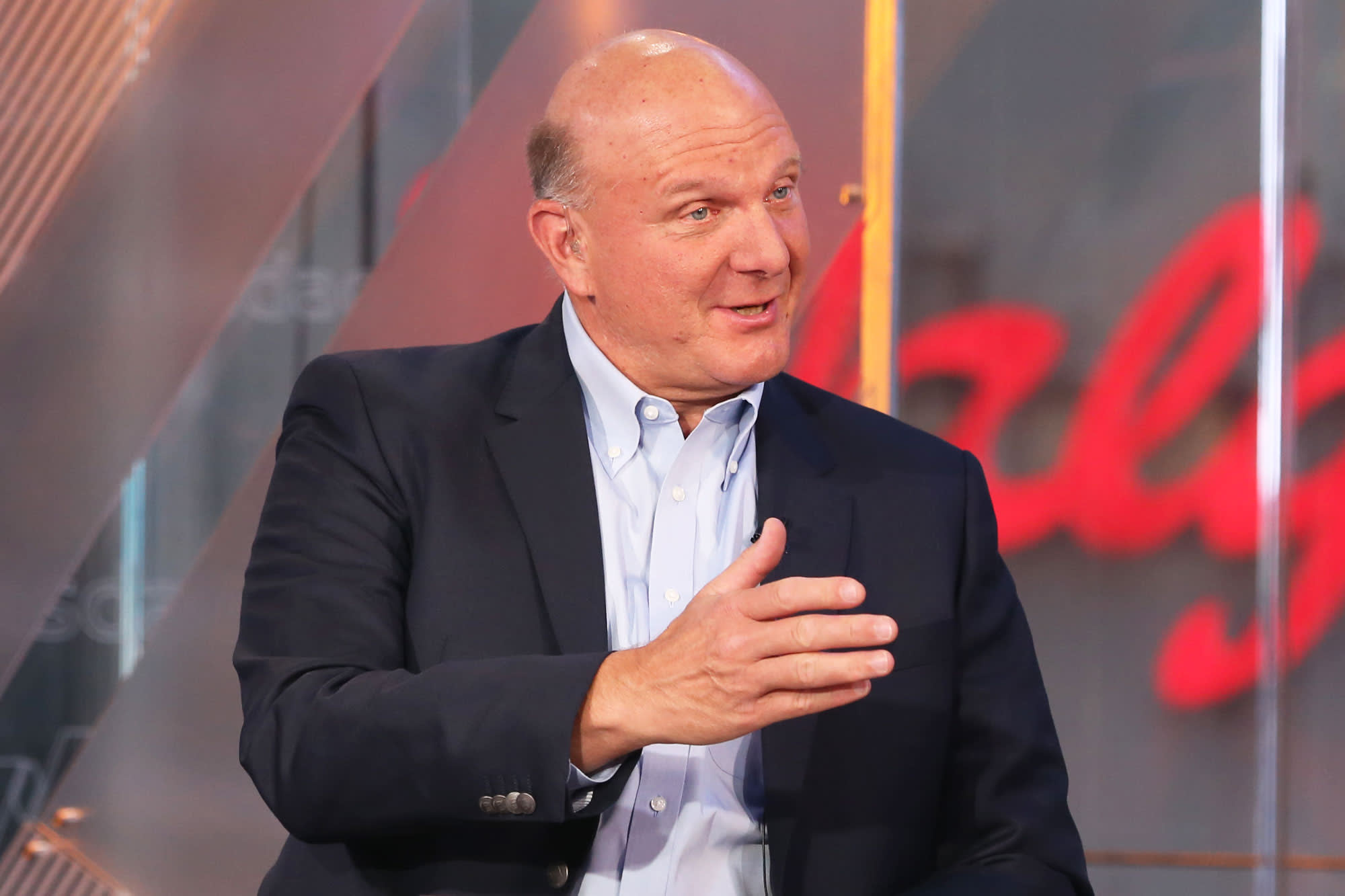
Company: Microsoft, LA Clippers Net Worth: $157 Billion
Steve Ballmer didn’t found Microsoft. He was employee number 30.
But he turned it into a money machine. As CEO from 2000 to 2014, he helped Microsoft become a global giant. Office, Windows, Azure. Under his leadership, Microsoft’s revenue tripled.
After leaving Microsoft, he bought the LA Clippers for $2 billion. Today they’re worth much more.
Takeaway: You don’t have to be the founder. Being great at running things can make you just as successful.
14. Jack Ma
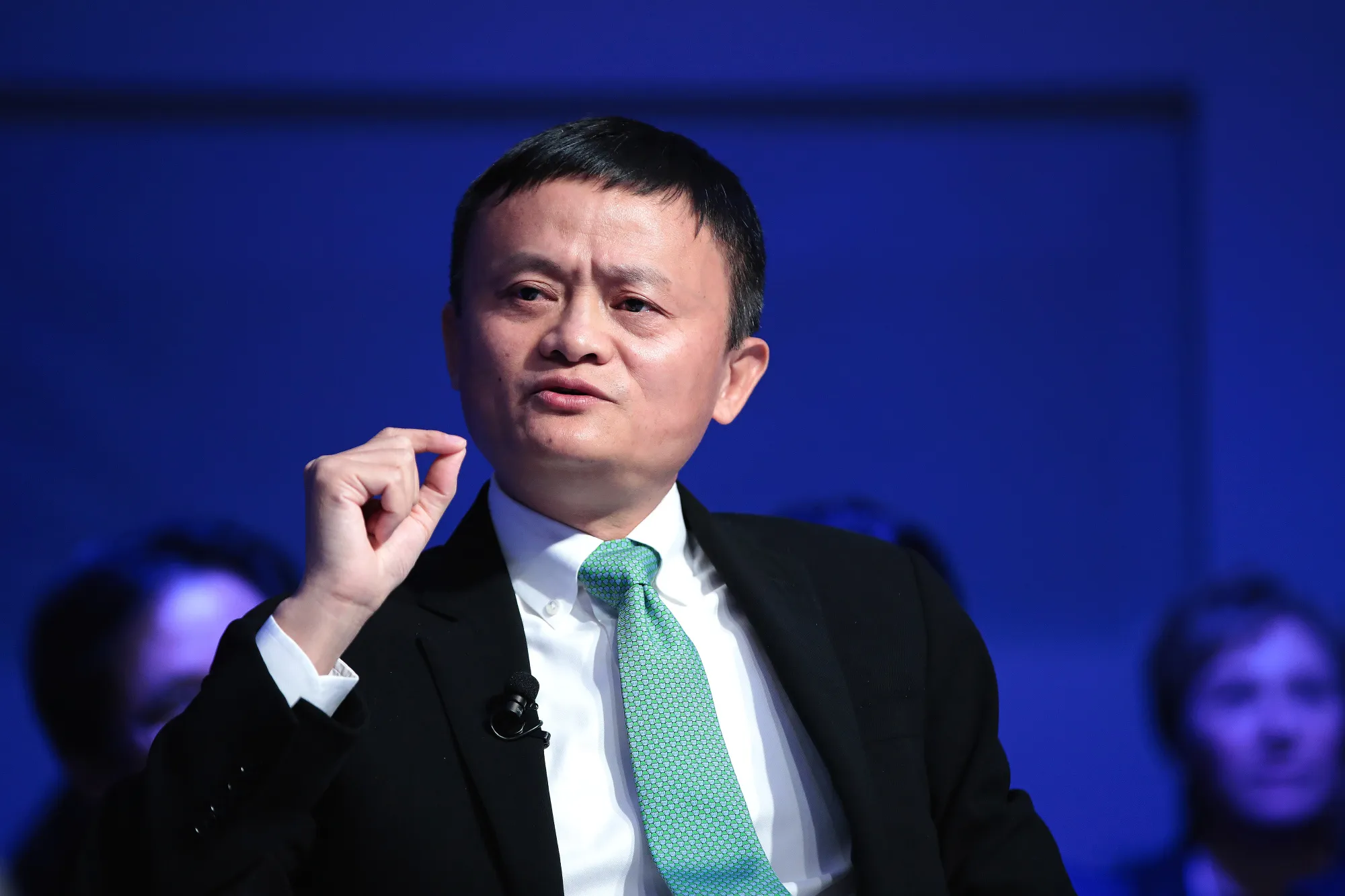
Company: Alibaba Net Worth: $30 Billion
Jack Ma was rejected from 30 jobs. KFC opened a restaurant in his city and hired 23 people. He was the only one they turned down.
But in 1999, he gathered 17 friends in his apartment and started Alibaba. The idea was simple: help small Chinese businesses sell their products online.
It worked. Alibaba is now one of the largest eCommerce companies in the world. He also created Alipay, which changed how over a billion people pay for goods and services.
Takeaway: Rejection means nothing. Jack Ma proved that the person everyone says “no” to can still build an empire.
15. Howard Schultz
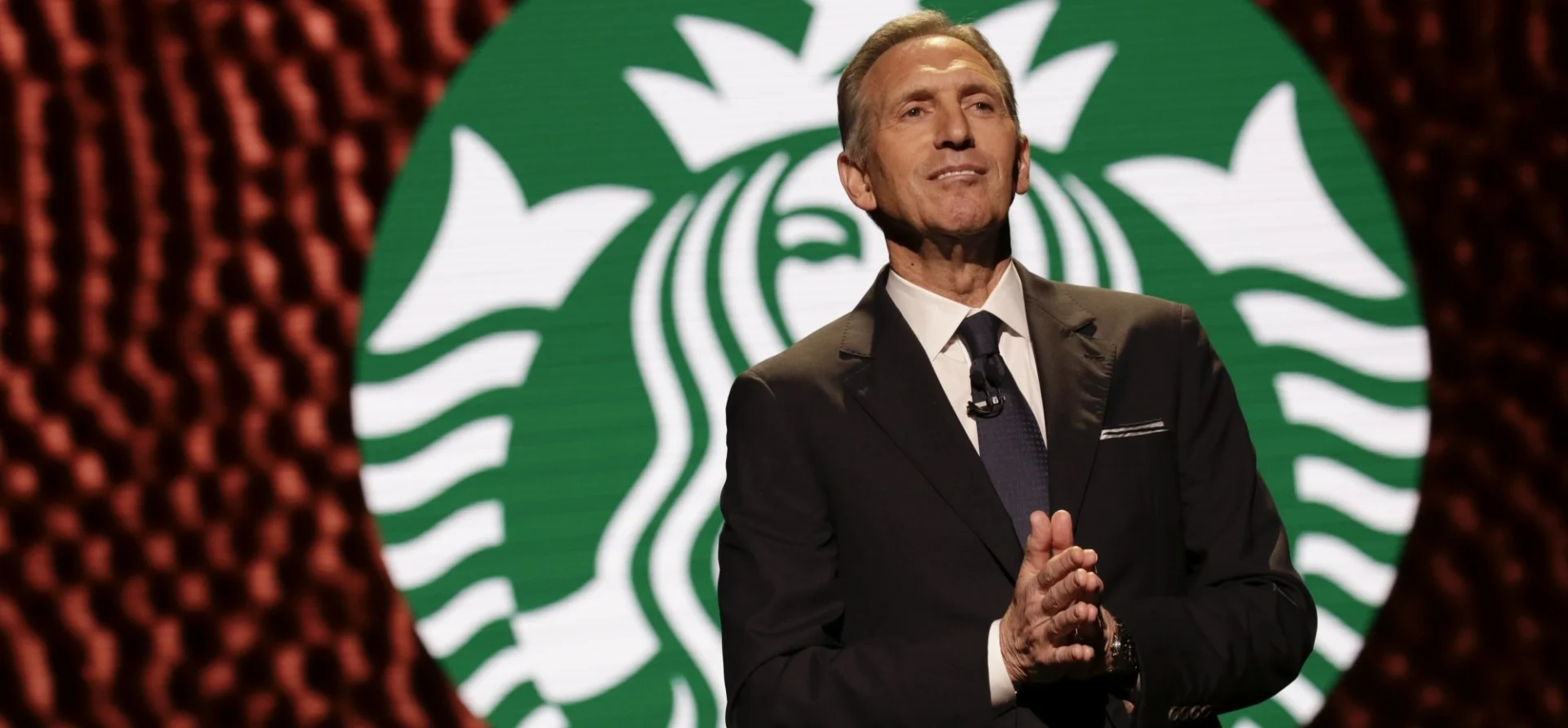
Company: Starbucks Net Worth: $5.4 Billion
Howard Schultz didn’t start Starbucks. He joined it when it was a small shop selling coffee beans in Seattle.
But he saw something nobody else did. After a trip to Italy, he noticed how people gathered in cafes. It wasn’t just about coffee. It was about the experience.
He wanted to bring that to America. The founders said no. So he left and opened his own coffee shop. A few years later, he came back and bought Starbucks.
Today, Starbucks has over 38,000 stores in 80+ countries.
Takeaway: You don’t have to invent the product. Sometimes you just have to rethink how people experience it.
Disruptors Who Redefined Industries
Rules exist for a reason. These entrepreneurs ignored all of them.
16. Brian Chesky
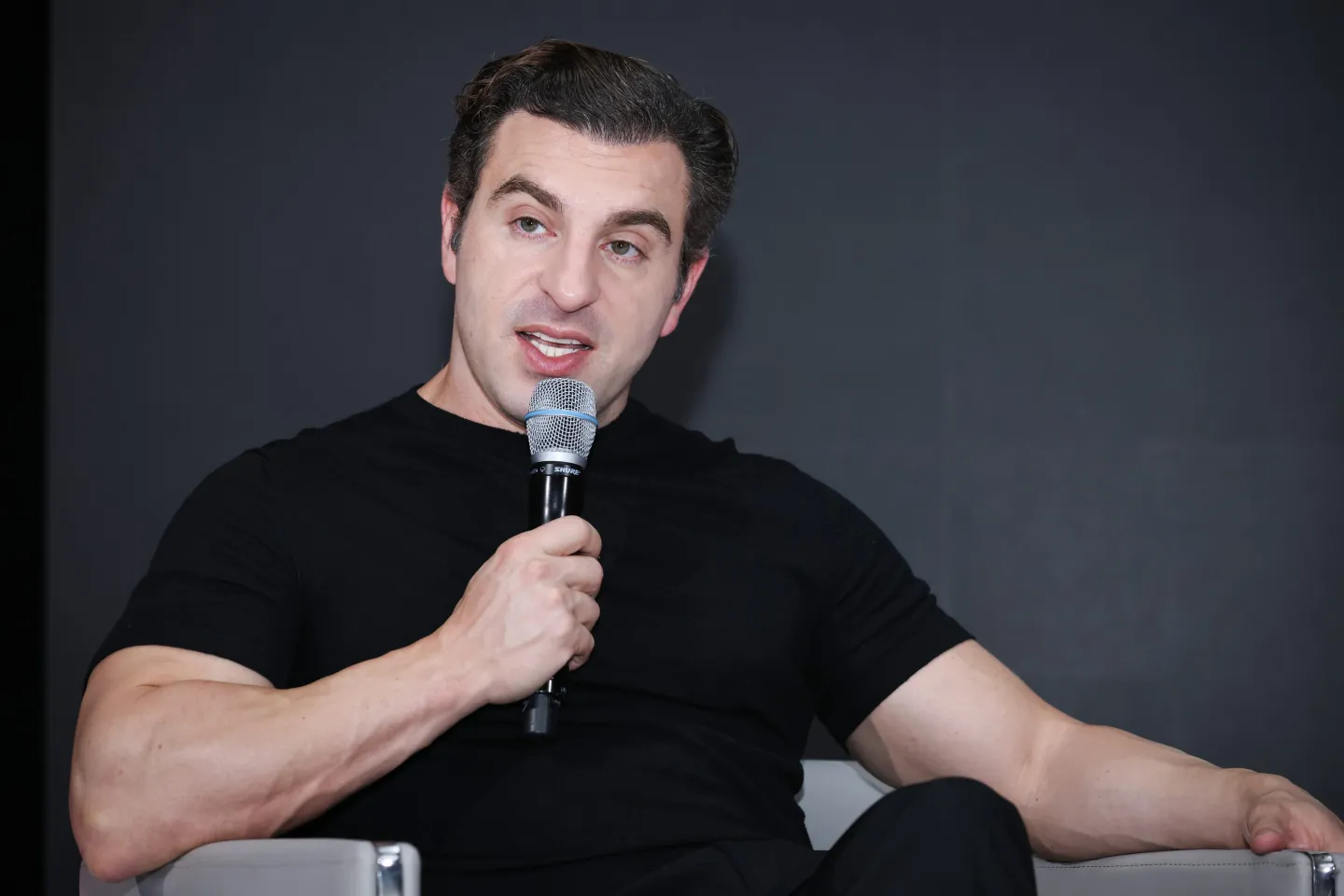
Company: Airbnb Net Worth: $13.4 Billion
Here’s how Airbnb started: Brian Chesky was broke and couldn’t pay rent.
So he put air mattresses on the floor and charged people to stay. Sounds crazy, right?
Hotels hated the concept. Cities tried banning it. But travelers loved it. Why pay $100 for a hotel when you could stay in a local’s apartment for $15?
Fast forward to now. Airbnb has over 9 million listings across 191 countries. A company worth over $80 billion.
Takeaway: Sometimes your worst money problems can lead to your best ideas.
17. Reed Hastings
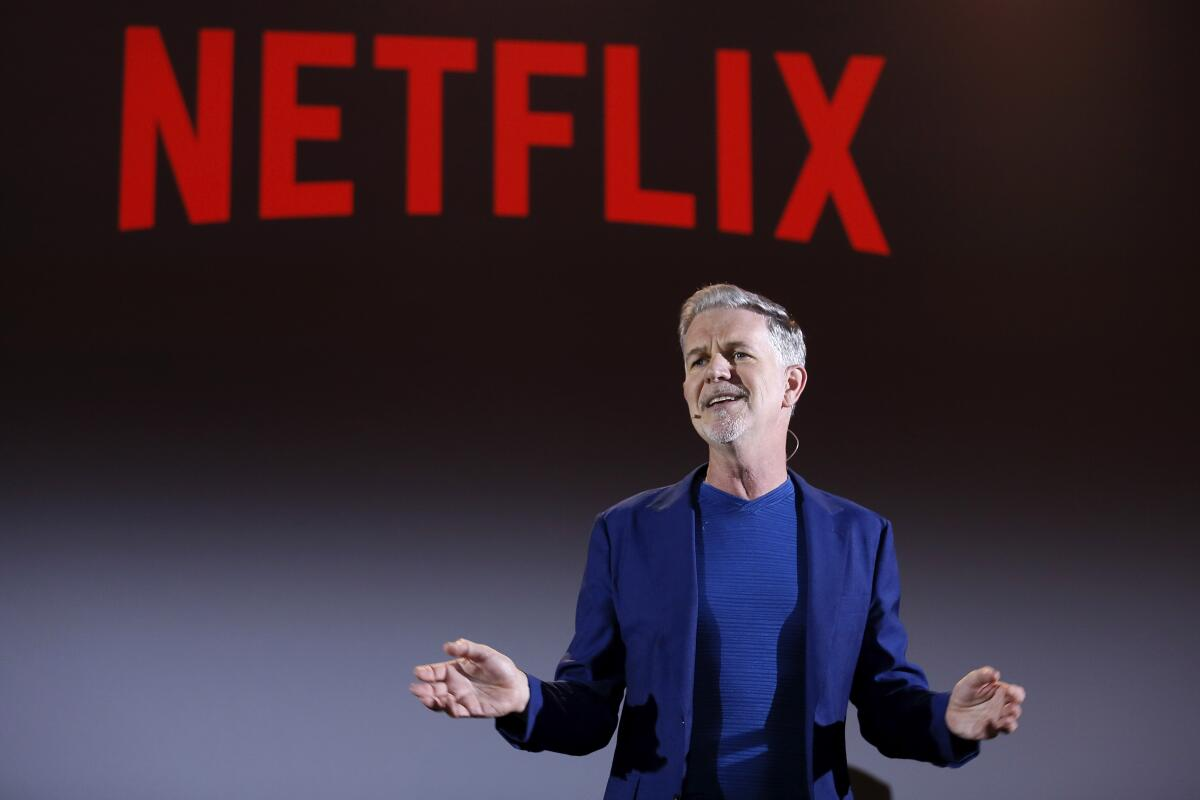
Company: Netflix Net Worth: $7.5 Billion
A $40 late fee, that’s how Netflix started.
Reed Hastings returned a DVD late, got hit with the fee, and got annoyed enough to fix it.
His first version? DVDs by mail. Zero late fees.
Then he made a bigger move: ditched DVDs and went all-in on streaming.
Netflix now has 300 million+ subscribers. Blockbuster, the company everyone thought was unbeatable? Gone. Bankrupt. Meanwhile, Hastings changed the entire entertainment industry.
Takeaway: Trust your gut even when the whole world disagrees.
18. Garrett Camp
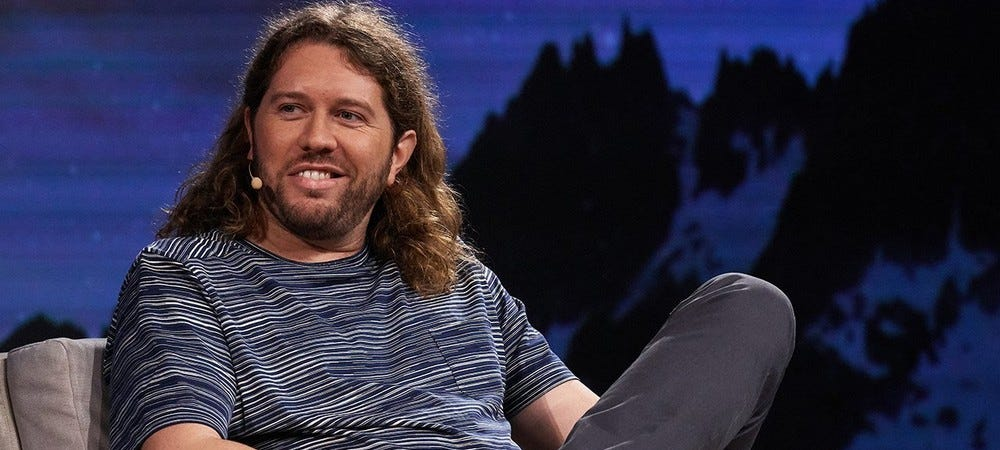
Company: Uber Net Worth: $5.3 Billion
Uber started because Garrett Camp was tired of chasing taxis. His fix?
An app that connects riders with drivers instantly. One tap and you get a ride.
Uber went live in 2010. Within a few years, it spread to 70+ countries and completely destroyed the traditional taxi business.
Takeaway: Pay attention to what annoys you. That frustration might be worth billions.
19. Melanie Perkins

Company: Canva Net Worth: $5.8 Billion
Melanie Perkins was teaching design to university students. And she kept watching them struggle with Photoshop. So many confusing tools, and her students wasted hours on simple stuff.
She was 19 when the idea hit her. What if design was as easy as dragging and dropping?
That’s how Canva was born in 2013. Now, 260 million people use it. Fortune 500 marketing teams use Canva. It works because it’s stupid simple.
Oh, and she’s one of the youngest self-made female billionaires walking the planet right now.
Takeaway: Complicated tools are just business opportunities in disguise.
20. Tobi Lutke

Company: Shopify Net Worth: $11.6 Billion
Tobi Lutke wasn’t trying to build a tech company. He just wanted to sell snowboards online.
The problem was that every eCommerce tool available at the time was garbage. So he coded his own online store from scratch.
That’s how Shopify was started. Millions of businesses now run their online stores on it. The platform handles over 10% of all U.S. eCommerce.
Takeaway: Scratch your own itch first. If it works for you, it’ll work for others.
21. Nithin Kamath
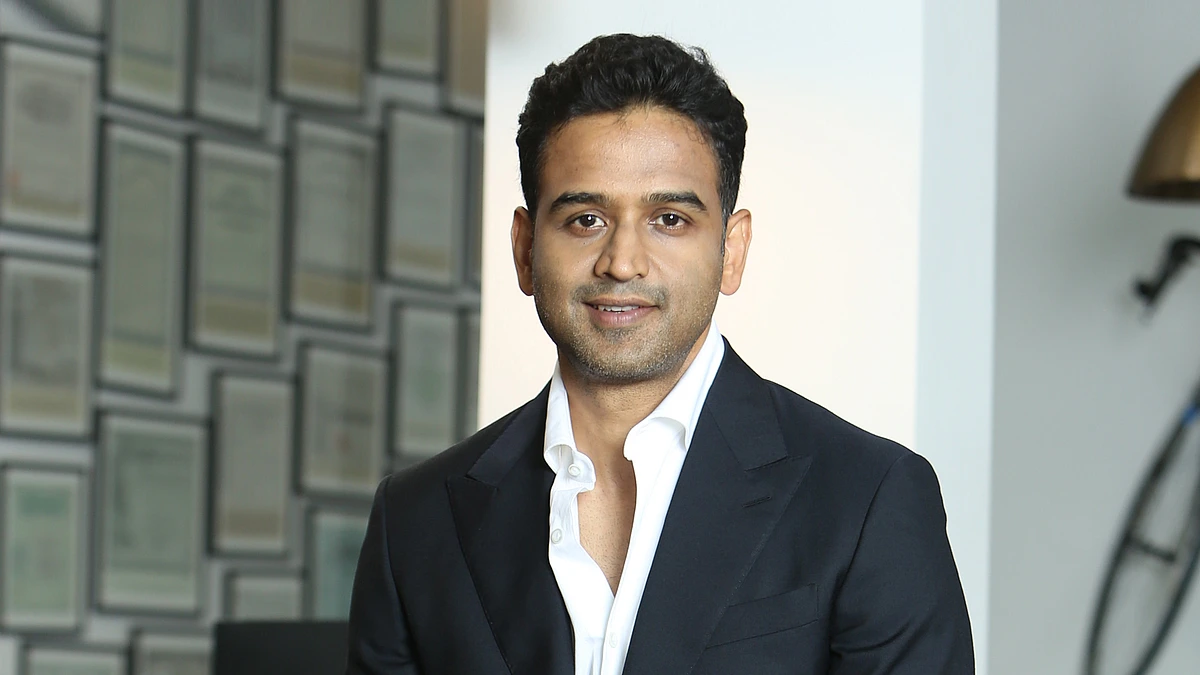
Company: Zerodha Net Worth: $3.9 Billion
Nithin Kamath was 17, working at a call center, and trading stocks on the side. Back then in India, there were no proper stock trading platforms.
In 2010, he launched Zerodha. It was a HUGE hit, as it offered zero commission on stock delivery.
Here’s the best part: Zerodha became India’s biggest stockbroker without spending a single rupee on advertising. Not one ad. Over 16 million users came through pure word of mouth.
Takeaway: Skip the ad budget. Make something so good that your users do the marketing for you.
AI Entrepreneurs Leading the Future
AI is NOT the future. It’s already here. These three entrepreneurs are leading the AI industry.
22. Sam Altman
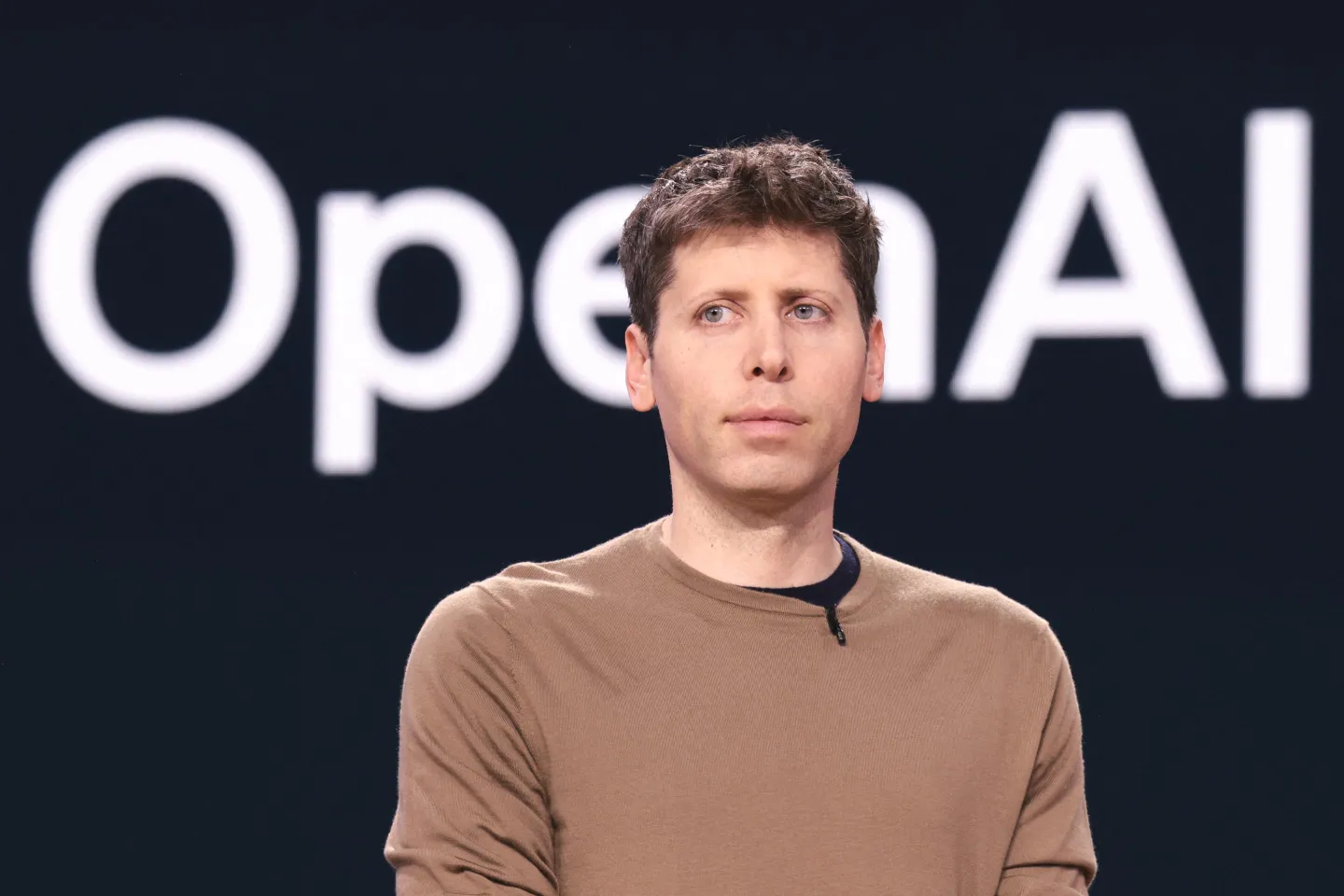
Company: OpenAI Net Worth: ~$2 Billion
Sam Altman released ChatGPT in November 2022. Within five days, a million people were using it. Within two months, 100 million.
No product in history has grown that fast.
Before OpenAI, Altman ran Y Combinator, the startup accelerator behind Airbnb, Dropbox, and Stripe. He left that to go all-in on AI.
OpenAI is now valued at over $730 billion. Microsoft alone invested $13 billion.
Takeaway: Bet on where the world is going, not where it is right now.
23. Jensen Huang
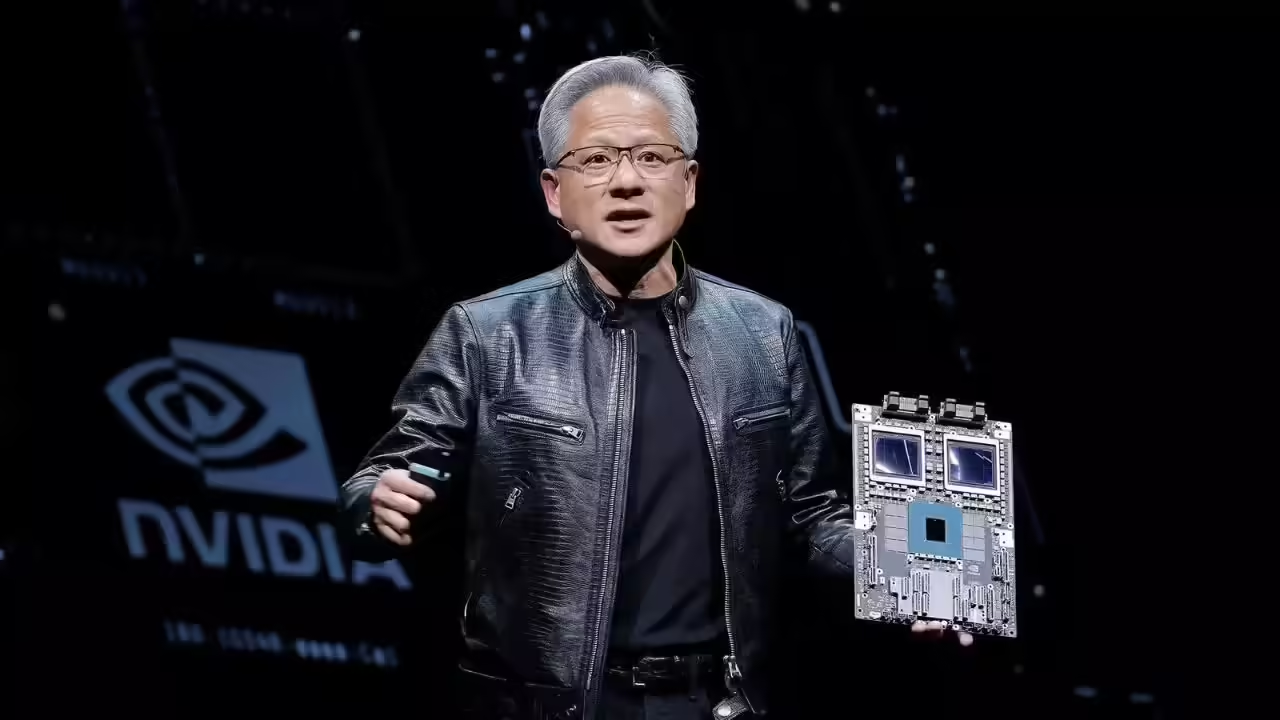
Company: NVIDIA Net Worth: $117 Billion
Jensen Huang co-founded NVIDIA in 1993. For years, it was just a gaming chip company.
Then AI exploded. Every company in the world now needs NVIDIA’s GPU chips to train its models, including OpenAI, Google, and Tesla.
Now, NVIDIA’s value? It crossed the $3 trillion mark!
Takeaway: You don’t have to build the trend. Powering the trend can be even more profitable.
24. Dario Amodei

Company: Anthropic Net Worth: ~$1 Billion
Dario Amodei was VP of Research at OpenAI. But he thought the company wasn’t taking AI safety seriously enough.
So in 2021, he left and started Anthropic from scratch.
Their AI model, Claude, now competes with ChatGPT. Amazon invested $4 billion. Google put in $2 billion.
Takeaway: Being second to market doesn’t matter if you’re first in trust.
Now It’s Your Turn
24 entrepreneurs. All from different industries. Different backgrounds.
But the pattern is the same. They all spotted a problem nobody else was fixing. All of them got rejected multiple times. And they all kept going anyway.
You don’t need a billion dollars to start. Bezos had a garage. Chesky had an air mattress. Pick one idea. Start small. Stay consistent. That’s how every name on this list got here.
Which famous entrepreneur inspires you the most? Drop your answer in the comments.
FAQs | Greatest Entrepreneurs of All Time
Here are some interesting questions about the world’s most famous entrepreneurs.
Suhas Gopinath is the world’s youngest CEO, having taken the role at 17. He is an Indian entrepreneur and the founder and CEO of Globals Inc., a multinational IT company.
An entrepreneur is a “doer” who organizes and manages the risks of a business or enterprise. His ultimate motive is to start, scale, and grow a business while minimizing risk.
The general definition of entrepreneurship is the process of designing, launching, and running a new business (and ultimately making profits from it in the long run), i.e., a startup or a small business offering a product, process, or service to customers to make profits.
Elon Musk is the wealthiest person in the world, with a net worth of $778 Billion.
The majority of entrepreneurs fail to build successful businesses. The main reason for their failure is “lack of vision.” If you want to succeed as an entrepreneur, have a 100-year vision, be helpful, and network with the right people.
There are no rules or guidelines on how to become a successful entrepreneur. That being said, most famous entrepreneurs have the following traits.
– Work super hard
– Take risks
– Be consistent
Are you wondering about what qualities make a successful entrepreneur? Here are a few skills to develop to succeed as an entrepreneur in 2026 and beyond.
→ Improve your communication skills
→ Open-minded
→ Determination
→ Inspiring others to work hard
An entrepreneur is someone who sets up a business (mostly starting from scratch), taking on financial risks in the hope of profits. An industrialist takes an existing business (which is making profits) to the next level.
Elon Musk is one of the most famous entrepreneurs who started with nothing. Another iconic entrepreneur is Steve Jobs, who revolutionized technology with Apple despite facing numerous challenges.




![105+ Best Network Marketing Quotes of 2026 [By Top Leaders]](https://bloggerspassion.com/wp-content/uploads/2024/01/best-network-marketing-motivational-quotes-300x169.png)


![27 Best Affiliate Marketing Quotes in 2026 [Top Picks]](https://bloggerspassion.com/wp-content/uploads/2022/09/affiliate-marketing-quotes-300x157.jpg)

Hi Anil,
Very inspiring post.
We all know about them. But you did really a nice job to bring them all in a page.
I'm really inspired and motivated. And thank you for inspiring me.
Keep it up, man.