

TLDR: Off-page involves everything you do outside your website to boost rankings, mainly backlinks, brand mentions, social signals, and authority building.
You could write the BEST blog post on a topic and still rank on page 5.
Why? Because Google doesn’t just read your content. There are literally thousands of blog posts on almost every single topic. So, search engines look at what the rest of the web thinks about you.
That’s off-page SEO. And most bloggers completely ignore it.
Here’s what the data says: 94% of all content on the web gets zero backlinks. Zero.
And the #1 result on Google has an average of 3.8x more backlinks than pages ranking in positions 2–10.
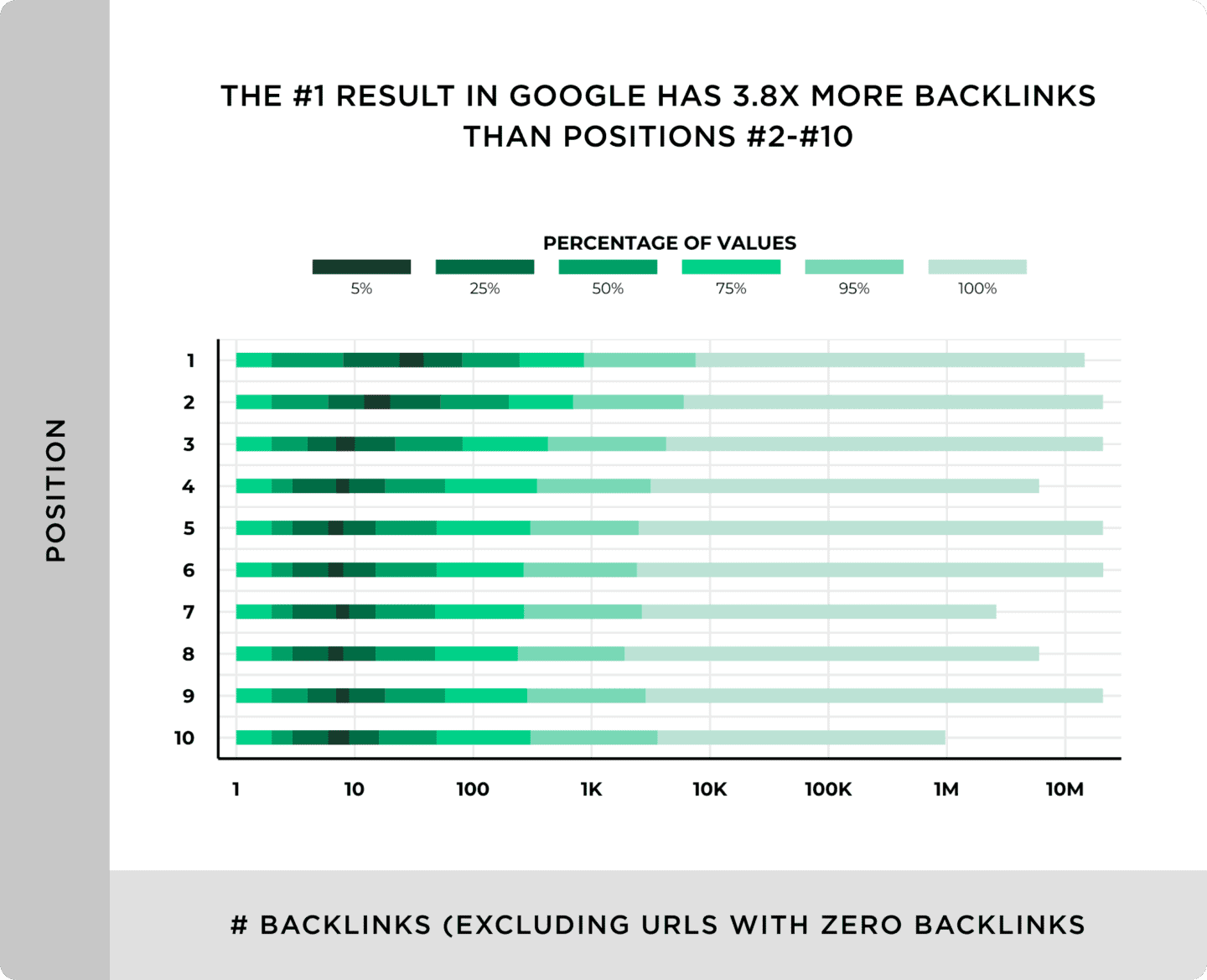
So, if you want to rank, you need trusted sites linking to you, not just great content.
In this guide, you’ll learn the best off-page optimization techniques that actually work in 2026, so you can build authority, earn trust, and boost your content rankings.
What is Off-Page SEO?
Off-page optimization is everything you do outside your website to rank higher on Google.
Think backlinks from other websites, people searching your brand name, shares on social media, mentions across the web, all of it sends trust signals to Google.
If on-page SEO tells Google what your site is about, off-page SEO tells Google how much to trust it.

It is nothing but improving your website’s position on the Search Engine Results Page (SERP). It tells Google what others think about your site. Based on the links that you have for your site, search engines assume that you have great content.
Links are the new web currency. But most people assume that off-page is all about just link building. No, it is not just about links. Then what else it include? It is a combination of a lot of factors that include:
- Social media metrics (Facebook likes, Pinterest pins, Tweets, etc)
- User engagement (comments)
- Social bookmarking
- Forum posting and a lot of other factors.
If you want to boost your search rankings in 2026, this ultimate guide is just for you, where you’ll discover some of the proven off-page activities for 2026.
Off-Page SEO Secrets for 2026: What Actually Moves Rankings?
Table of Contents
Let’s be clear about one thing: backlinks are still the backbone of SEO.
92.3% of the top 100 ranking domains had at least one backlink. Over half of quality websites without a single backlink didn’t reach the first page.
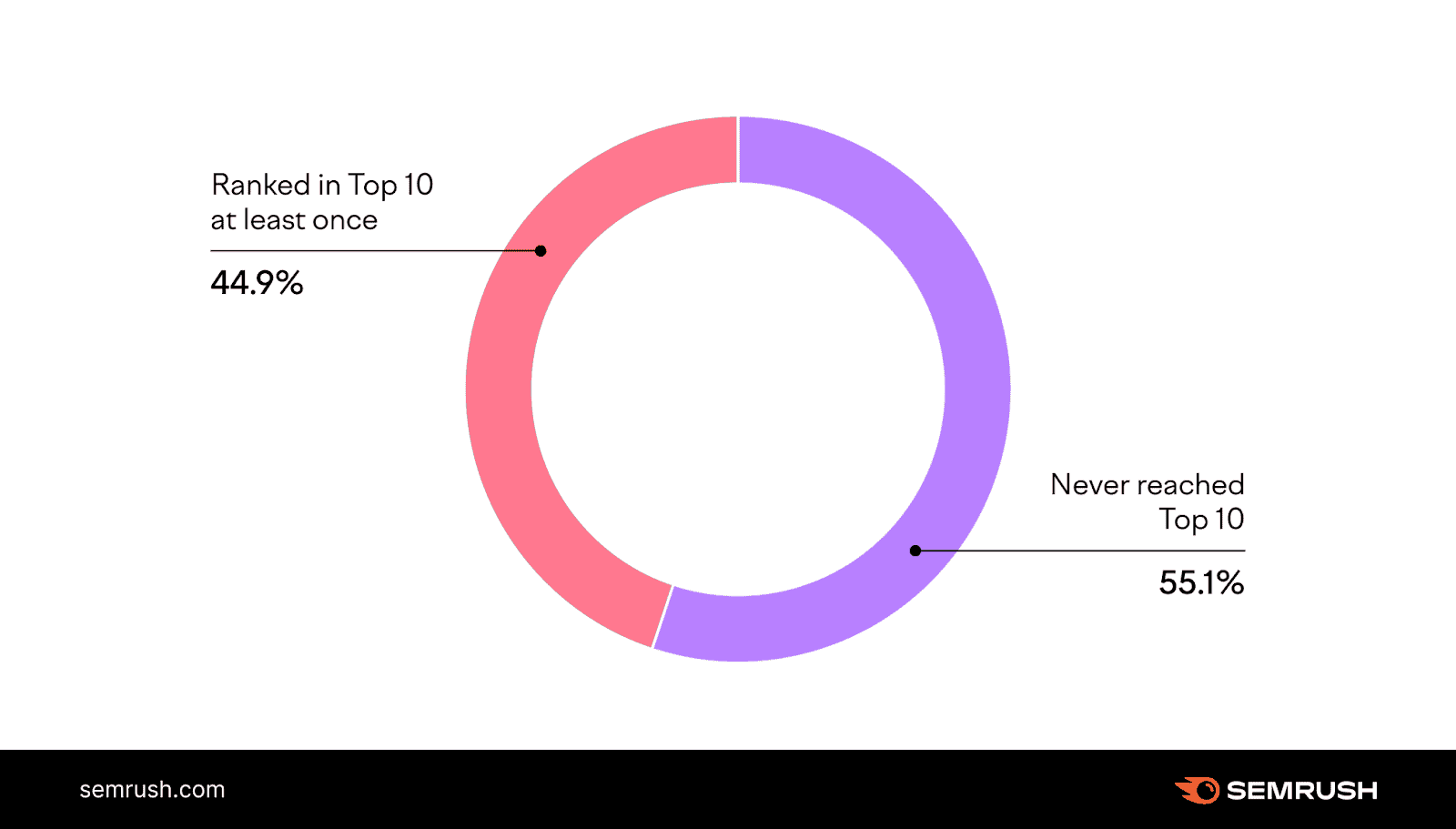
Backlinks are the most important factor for content marketers and bloggers. Why? Because search engines trust your website more if your site has any authoritative, relevant backlinks.
Not all backlinks are equal, though. One link from a high-authority site in your niche is worth more than 100 links from random, low-quality sites. Quality always beats quantity.
So, how do you actually get these backlinks? Here are the two most effective ways:
1. Guest Blogging: Find top blogs in your niche and pitch them a useful topic. In return, you get a backlink. Simple. A quick Google search (“write for us” + your niche) can help you find sites that accept guest posts.
2. Broken Link Building: Every website has dead links, pages that no longer exist. Find them on authority sites in your niche using a free tool like Check My Links, reach out to the site owner, and suggest your content as a replacement. It’s a win/win approach.
We’ll discuss these in detail in the same post.
Social media doesn’t directly boost your rankings.
But it does something just as powerful, as it gets your content in front of more people, which leads to more shares, more traffic, and eventually more backlinks.
Here’s another interesting part: eMarketer says 46% of Gen Z and 35% of millennials prefer social media to traditional search engines.
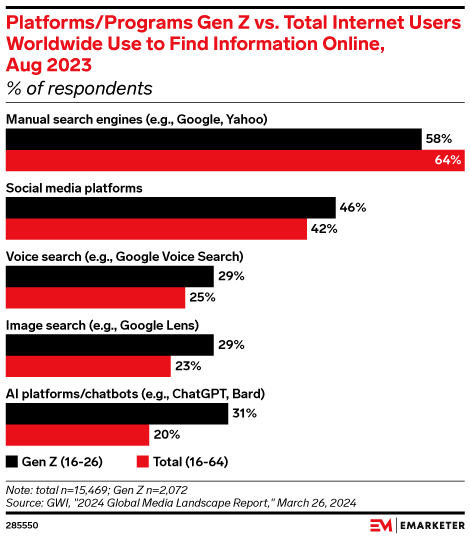
That’s a massive audience you can’t afford to ignore.
Here’s what actually works best for social media marketing in 2026:
- Focus on saves and shares over likes. These signals tell the algorithm that your content is genuinely useful.
- Use keywords in your captions. Platforms like YouTube, TikTok, and Instagram now index your text for search, so treat them like mini search engines.
- Be consistent on 1 or 2 platforms rather than trying to be everywhere. Depth beats volume every time.
3. Start Answering On Quora
Most bloggers ignore Quora. That’s a mistake.
Quora has over 430 million monthly active users and averages 22 million daily visitors. And here’s the SEO part, organic search drives over 81% of Quora’s traffic.
That means Quora answers regularly appear in Google search results. Your answer today could bring you traffic for years.
Here’s how to make it work for your blog:
- Set up a strong profile first: Make your bio clearly say who you are and what you write about. Treat it like a mini landing page for your blog.
- Answer only in your niche: Don’t try to cover everything. Pick 3 to 5 topics related to your blog and stick to them. Focus builds authority faster.
- Write answers that truly help: Platforms like Quora push useful, detailed answers to more people. The better your answer, the more visibility it gets over time.
- Add links naturally: Don’t drop your blog link in every answer. Share it only when it really helps the reader, like, “I explained this step-by-step here.” That’s what brings real traffic.
The goal is NOT just traffic from Quora. It’s visibility on Google through Quora. That’s the real win.
4. Make YouTube Videos
YouTube isn’t just a video platform. It’s the second-largest search engine in the world.
YouTube has 2.49 billion monthly active users, and people watch over 1 billion hours of content on it every single day.
But here’s the SEO angle. Search results that include videos drive 157% more organic traffic, and video content has a 41% higher click-through rate than text-only pages.
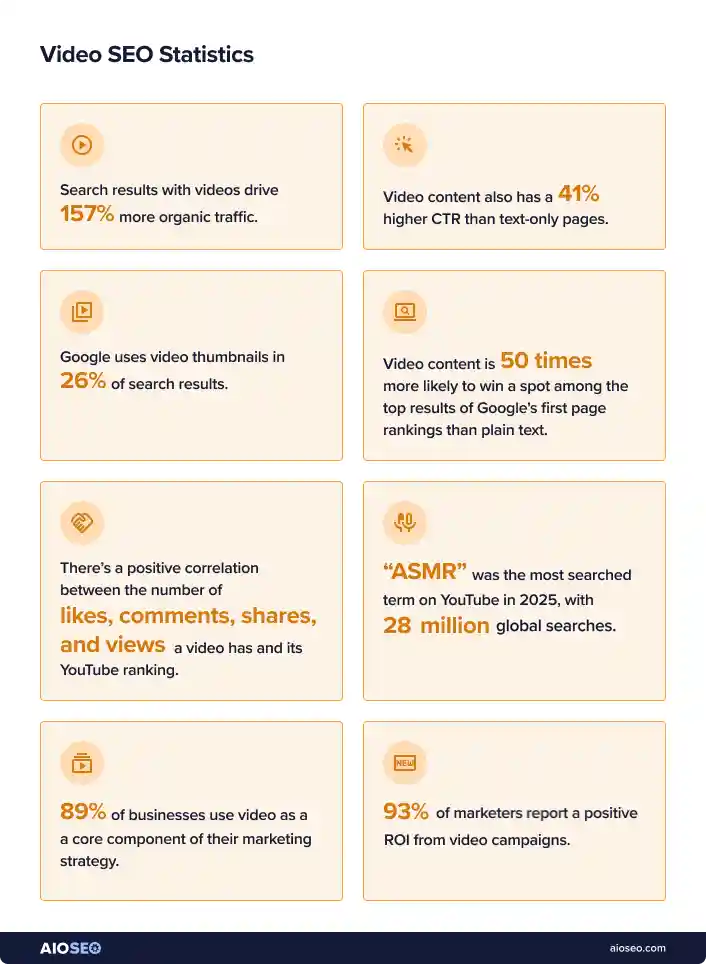
So making videos doesn’t just build your YouTube presence; it also directly boosts your blog’s visibility on Google.
Here’s how to make it work:
- Repurpose your blog content into videos: Already written a detailed guide? Turn it into a YouTube video and link back to your blog in the description. That backlink has real SEO value. There are plenty of AI tools that make video creation easy, like Pictory, Lumen5, or InVideo — so you can turn posts into videos in minutes.
- Treat YouTube like a search engine: Use keywords in your title, description, and tags, just like you would for a blog post.
- Focus on watch time over views: 70% of what people watch on YouTube is decided by its algorithm, and watch time is one of its biggest signals. A video people actually finish ranks far better than one they skip.
- Be consistent: Make sure your subscribers know when they can expect the next video. For example, “once a week,” “once every 10 days,” or “alternate days.”
It takes 1 to 2 years to gain recognition. So, be patient. Remember, YouTube is a community. If you want to get others’ attention, you must give attention to other channels.
5. Contribute To Other Websites
Guest blogging is the most effective way to generate quality dofollow backlinks. It’s the surest way to improve your off-site SEO without getting any negative rankings.
What do you get by contributing to other sites?
- It helps to build your authority
- It can bring you a lot of referral traffic
- It helps in building links
While writing guest posts for other sites, don’t link too much to your site. It spoils your relationship with the site owner. Even if you are writing guest posts for others, give really awesome content. Low-quality guest posting brings you extra trouble.
Here are a few things you need to keep in mind before you guest post on other sites:
- Collect a list of all sites related to your niche that accept guest posts.
- Set up an Excel sheet and write each site’s home page domain authority (DA), guest posting guidelines, etc.
- To get more guest posting opportunities related to your niche, type in Google with these search strings. “Your seed Keyword” + “guest post” or “intitle: guest post guidelines”.
- Search on all social media platforms. For example, head over to the Twitter page and, in the search box, enter “your keyword” + “guest post”. Seriously, it shows you more opportunities than Google search.
- So, you have a list of all sites that accept guest posts. Now, it’s time to know which of these sites brings you more traffic. Go to Similarweb.com, and enter the domain of the site where you want to write a guest post. This site gives you a general idea of the site’s popularity.
- Make sure the blog is active. Look at recent posts, updates, and comments. If nothing’s been published in months, skip it.
- Pitch topics that fit their content. Don’t send generic ideas. Suggest a topic that matches what they already publish and adds something new.
- Focus on value, not just the backlink. Write a genuinely helpful post and add your link naturally where it makes sense.
Topics with case studies, detailed how-to guides, and long lists have a higher acceptance rate. What are you looking for? Start writing amazing killer content and promote your stuff.
6. Outreach to Influencers In Your Industry
Influencer marketing is simply the process of reaching out to well-known people in your niche and asking them to mention, share, or link to your content.
How To Do It The Right Way?
First, find a list of the most popular influencers in your niche.
You can use Google search to find top bloggers in your niche or search from database sites like Feedspot.
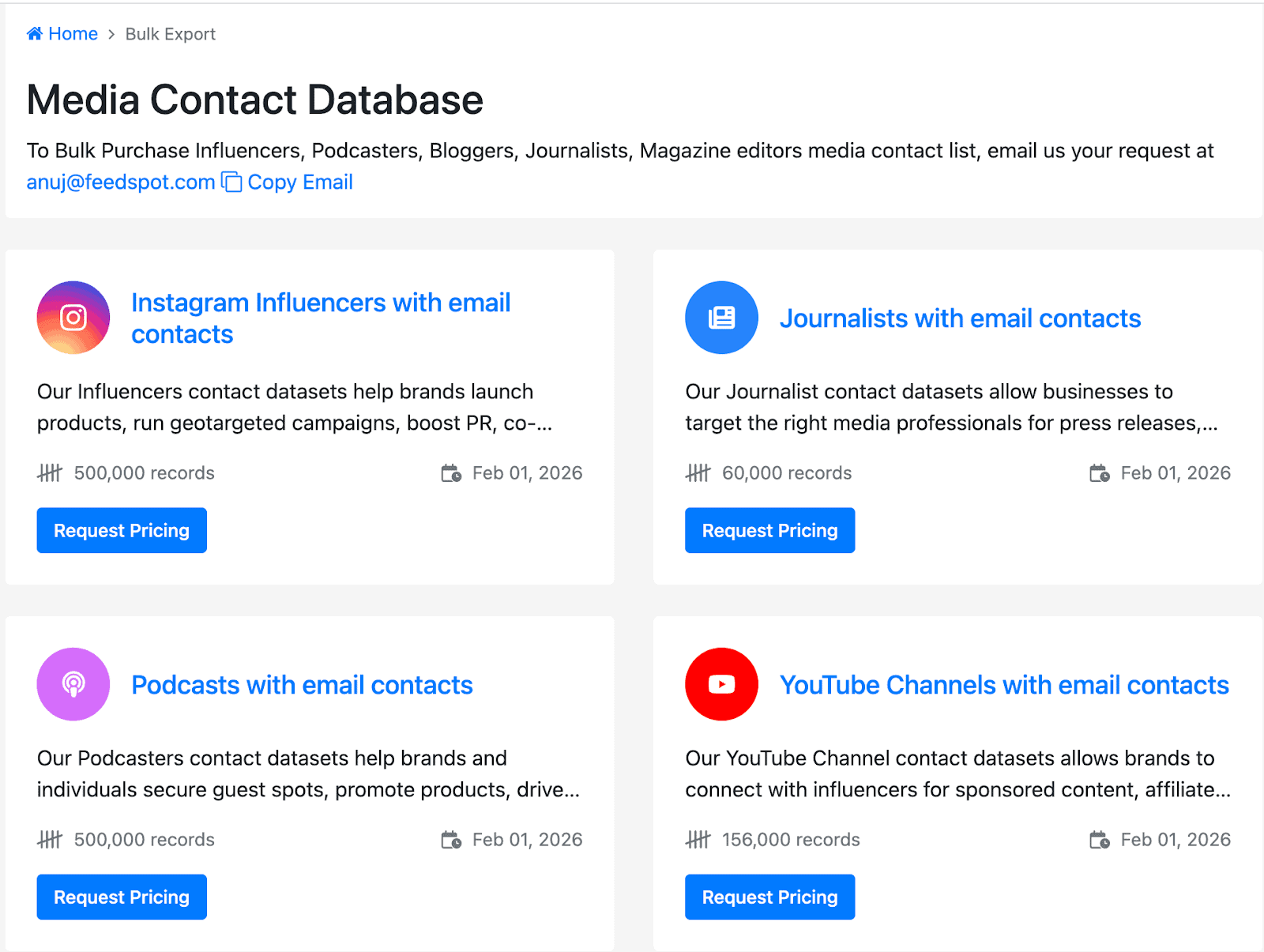
Don’t just spam influencers with cold emails asking for favors. That never works.
Start by genuinely engaging with them first. Comment on their posts. Share their content. Tag them on social media. Build a real connection before you ask for anything.
Then, when you finally reach out, keep it short, personal, and focused on what’s in it for them, not you.
A Simple Outreach Email Example
Hi [Name],
Saw your piece on [specific topic], especially the part about [tiny specific insight]. That was insightful.
I’ve been working on something related: [one-line description of your guide/resource].
It includes [specific benefit/data/tool/template/result] that might genuinely help your readers who care about [their audience’s goal/problem].
If you think it fits anywhere, happy to share the link, or I can send a quick summary first.
Either way, thanks for the solid content.
[Your Name]
See that? It’s short. Personal. No pressure. That’s the sweet spot.
It’s an indirect link-building strategy that works well if implemented correctly. It is suitable if you have a big brand, own a tool, or sell courses, services, or eCommerce products.
A quick tip
Focus on micro-influencers too, people with 5,000 to 50,000 followers. They have smaller but highly engaged audiences. And honestly, they’re much more likely to respond to your email than someone with millions of followers.
7. Write REALLY Helpful Content To Get Natural Links
Search engines and real websites love content that actually solves a problem.
When your article explains something clearly, answers common questions, and gives practical steps, other sites naturally use it as a reference.
For example, one of our guides got picked up and cited by wikiHow. We didn’t email them or ask for a link; the content was simply useful enough to support their article.
That’s the goal: Don’t write just to rank. Write to be the page people want to link to.
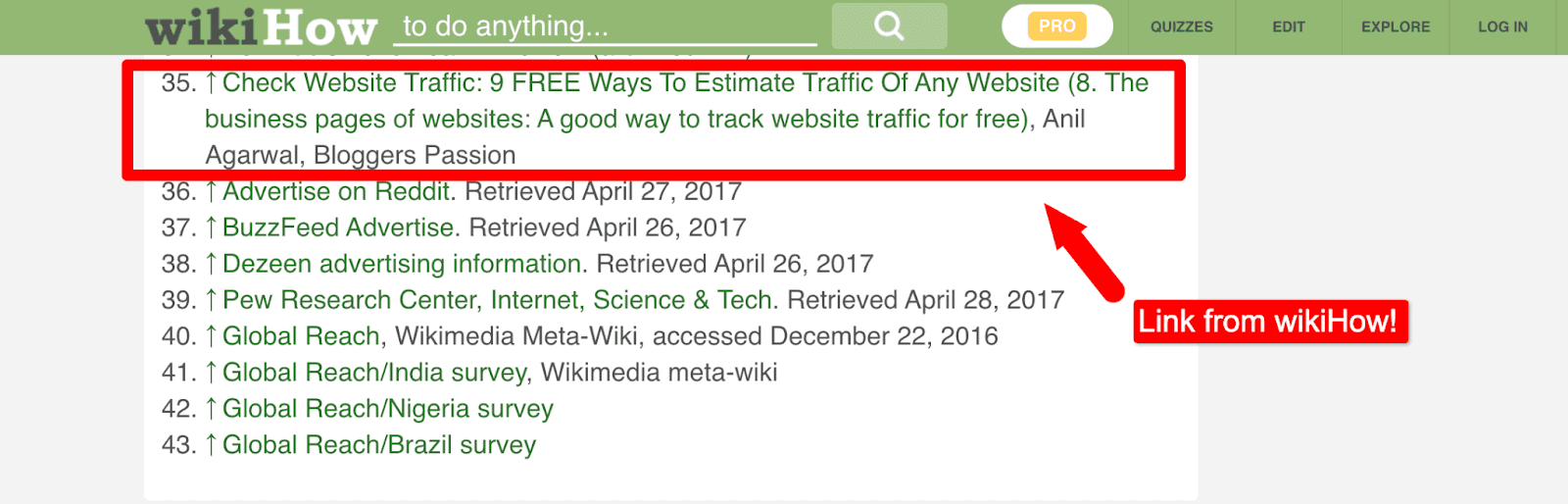
Here are some proven post types that are known to attract natural backlinks:
- Stats Posts
- Data Posts
- Interview Posts
- Reports
- Case Studies
- Industry Insights
- Unique Research
- Surveys
To implement this strategy, first identify the post types you can use to create in-depth, data-backed content.
Think roundup posts like “47 Email Marketing Statistics Every Beginner Should Know in 2026” or original studies like “We Analyzed 100 Beginner Blogs — Here’s What We Found.”
Then heavily internal-link that post across your blog. Do proper on-page SEO so it starts ranking for keywords like “email marketing stats” or “blogging statistics 2026.”
Once it ranks, the magic happens on its own.
Bloggers, journalists, and content creators are always on the hunt for fresh data to back up their articles.
When they find your stats post, they naturally link to it as their source, just like how sites constantly link back to Backlinko or HubSpot whenever they quote a marketing statistic.
8. Brand Mentions
People may already be talking about your brand online, just without linking to you.
Set up a Google Alert for your brand name. Whenever someone mentions you without a link, reach out and politely ask them to add one.
For instance, Hunter.io, a popular email finder tool, had over 18,000 unlinked brand mentions (meaning their brand name was mentioned, but no backlink was given)
Here’s how to build links through brand mentions:
- First, you find all the unlinked mentions of your brand on the web. Use tools like Ahrefs or Brand24, as these help you find mentions Google Alerts might miss, giving you more link opportunities.
- Set up Google Alerts for your brand name, so anytime someone mentions your blog or content online, you’ll get notified instantly.
- Once you find the relevant sites, prepare a list.
- Start sending customized cold emails requesting them to add links wherever they mention your brand.
The success rate of claiming your unlinked brand mention is high. They have already mentioned your brand. Most of the time, they will be okay with adding your links.
However, the only problem is that this technique is more applicable to big brands. Also, it would help if you had some technical expertise to find those unlinked brand mentions.
9. Press Releases
Press Release technique falls under the Digital PR Link Building strategy. Before we learn more about the strategy, here’s a brief overview of the key terms:
- Press Releases are newsworthy articles released by the PR department of a brand and distributed to news media outlets.
- Digital PR is an online marketing strategy for creating brand awareness and maintaining brand image.
Now, here are some helpful points for building links and improving off-page SEO metrics through press releases:
- First, write a press release – an article framed in a newsworthy way. It can be about announcements, product launches, company milestones, awards, and other topics that interest your brand’s target audience.
- Structure your press release in the standard format with a catchy headline, summary paragraph, and body content.
- Once your press release is ready, identify and make a list of relevant PR sites in your industry that often publish press releases.
- Start sending personalized emails pitching your press releases to them.
Here’s a sample email pitch;
Subject: Press release: New tool to check website traffic for free
Hi [Name],
We’ve just launched a free tool that helps users check any website’s traffic in seconds, aimed at bloggers and small businesses who can’t afford paid SEO tools.
Thought this might fit your [SEO/tools/digital marketing] section.
Happy to send the full press release or a short summary if interested.
Best,
[Your Name]
[Website]
10. Doing Local SEO

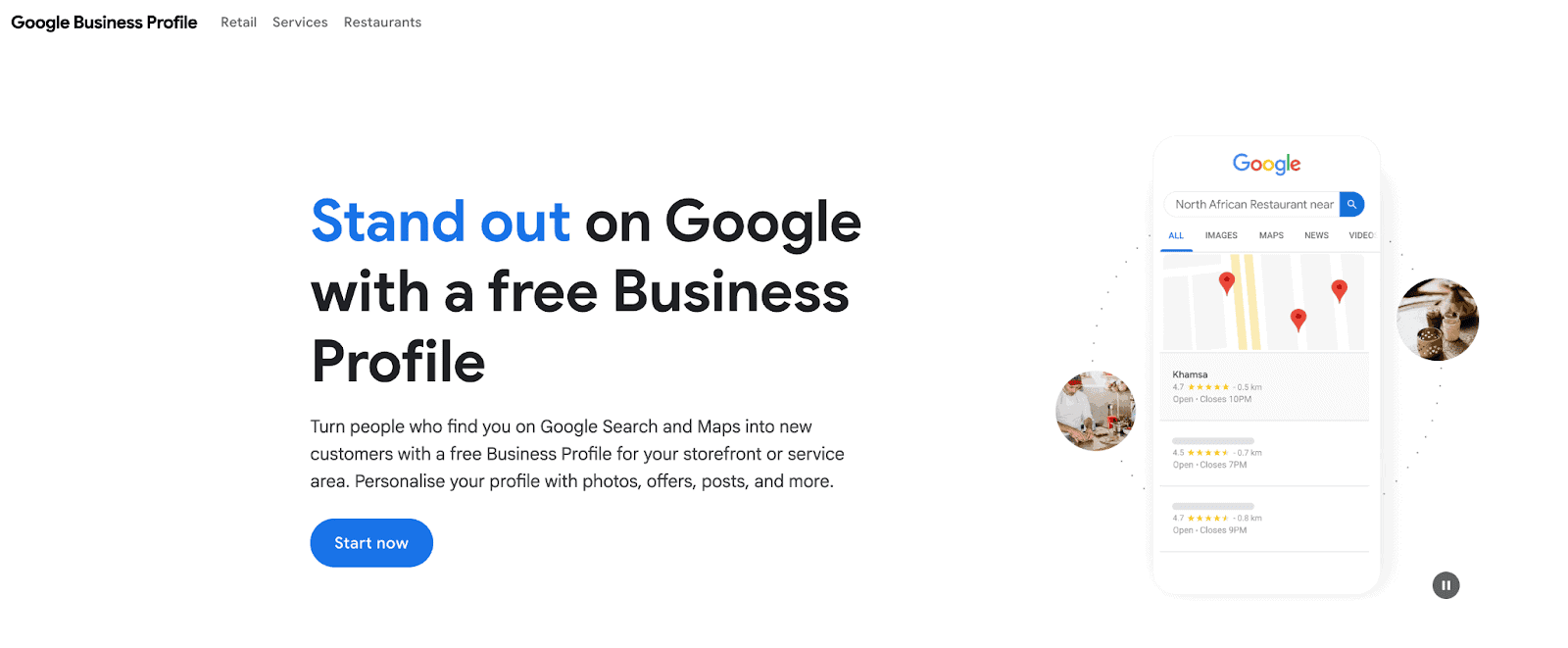
One effective off-page local SEO strategy is to get listed in high-authority local business directories such as Google Business Profile and Yelp.
These platforms are trusted by Google and can send real local traffic your way.
Want to go a step further? Sponsor a local event in your area. It builds brand awareness and often gets you a backlink from the event’s website or a local news outlet covering the story.
Here are some effective local SEO off-page techniques you can start using today:
- Ask happy customers to leave reviews on Google and Yelp. More positive reviews build trust with both users and search engines.
- Partner with local businesses for a shoutout, guest post, or collaboration. You both get new audiences and backlinks.
- Join local community platforms like Nextdoor or city-specific Facebook groups.
- Keep your NAP consistent and make sure your Name, Address, and Phone number are exactly the same across every platform.
Read our in-depth Local SEO guide to learn more strategies.
Final Thoughts on SEO Off-Page Activities
Most beginners think of off-page SEO as nothing more than building backlinks. It’s not. It’s about building a brand that Google trusts.
Backlinks, brand mentions, social signals, influencer outreach, local SEO, all of it works together to tell Google one thing: “This site is great for users. Rank it higher.”
The blogs you see ranking #1 on Google aren’t just well-written. They’re well-trusted by both users and search engines.
So don’t just hit publish and hope for the best. Every time you publish a new post, use at least one or two off-page strategies from this guide.
Found this guide helpful? Share it with a fellow blogger who’s just getting started. And if you have any off-page SEO tips that worked for you, drop them in the comments below. I’d love to hear what’s working!
FAQs
Search Engine Optimization (SEO) is all about optimizing your website to rank higher in search engines like Google.
On-page SEO is optimizing things INSIDE your website (content, tags, structure), while off-page SEO is building authority OUTSIDE your website (backlinks, mentions, reputation).
Generally, SEO is divided into three parts, named on-page SEO, off page SEO, and technical SEO.
Off-page optimization involves activities outside your website that help improve your rankings in Google search results, mainly through backlinks and social signals.
Some of the most effective off-page techniques include building authority backlinks, improving social media signals, answering on Quora, creating YouTube videos, influencer outreach, etc.






Off-page SEO strategies are as important as working on the on-page SEO techniques of a website. Off-page SEO is essential, more because it helps in presenting your website out in front of the hundreds of thousands of internet users. At the end of the day, what matters the most is the visibility of your website and the amount of traffic that has been driven to it. Every blogger should be aware of the best possible off-page SEO strategies required, and you have described each of them very neatly. Thank you for this insightful article.
I agree with each point you said, off page seo certainly keeps your site more visible in organic search and also gives you a chance to increase your search rankings on Google, Yahoo so on. Just focus on implementing the long term off page seo tactics like guest posting, blogger outreach and you’ll always find it easy to get links to your site.
Hi, Anil
Good stuff Thanks. I am impressed and inspired by the people like you and chose my career as a digital marketer. daily I am learning a lot of things from the Internet. Today this post gave me some more clarification about off page techniques.
Thanks and always keep sharing the good stuff
Glad to know that you chose digital marketing as your career. Just make sure to spend quality time in learning as much as you can from the best sources.
This detailed off page SEO guide is just great, I’m already doing a lot of these tasks that you mention. There’s probably more than I can do, but i have some confusion on back link part.
What questions do you’ve? You can always ask anything related to link building and SEO. Just make sure once check out this post about link building mistakes: https://bloggerspassion.com/link-building-mistakes/
Great post overall and thanks for the reminder of the roundup posts. Though a bit old school, I’ve been seeing resource page link building still working in some industries. I’m evernoting and sharing this gem here!
Yes, roundups work like a charm, you just need to go out, find what are the sites that are doing weekly or monthly roundups and contact with those site owners to get links. You might want to check out this post as well: https://bloggerspassion.com/guest-posting-sites-list/
If you’re doing Quora, don’t forget about Yahoo! Answers as well! I’m not sure you can build up as much of a reputation on Yahoo Answers like you can on Quora, but you can still get some nice relevant backlinks there – and in some cases, links that will actually send you traffic.
Actually Yahoo answers is no more effective as no one is using that site to find or answer questions. Quora has become a great alternative to it where you can actually find great answers from experts all over the world. You can also post anything related to your industry using your links on Quora.
Hi bro Anil,
Yes, bro, I agree with you that only the on-page SEO is not enough to rank a site or even a specific page today. To rank a site needs a combination of off page SEO and on page SEO+ keyword research, and these ways we can easily rank a site or even a specific page of a site. By the way,bro, I got here several new techniques about ranking a site to learn, and these techniques will definitely help me to improve my own site today.
Thank you so much, bro for sharing this valuable post for us.
It’s true that you should do both on page and off page seo to see better results from search engines like Google. If you’re ignoring either of them, you’re going to miss a lot of traffic and sales on the table. Thanks for the comment and do let me know if you’ve any questions.
Hi Anil,
After being in the blogging industry for 3 years, one thing I understood is growing your personal brand is the best way to get links and win user’s trust.
Of course, we still need to focus on doing off-page SEO, but when you’re popular and have been featured on top blogs, it becomes easy to grow your network and build links and get more social shares.
Regards,
Shafi Khan
Hi Shafi, wonderful observation. There are only few people who realise the value of personal branding. Not only it helps you with building links but also helps you find high paying clients who you can use to make a ton of money in the long run.
Hi Anil,
These are great tips for those of us who want to use different ways to build links to our blog. While I don’t focus on the links, I do know how important it is to promote my blog.
Personally, I love using YouTube for helping me grow my blog. You’re right, it does take time to grow a YouTube channel. Mine is growing, but it’s very slow.
I’m also using guest posting as a way to help me grow my blog. I don’t really focus on the links and I don’t actually link out to my own blog very much. Instead, I link out to other big bloggers.
I definitely like guest posting and just like anything else, it takes time to work on the friendship before you can approach the blogger to guest post on their blog.
Thanks for sharing these tips with us. I’m already doing a lot of these tasks that you mention. There’s probably more than I can do, but I have to remember that I can’t stretch myself too thin.
Thanks for taking the time to share these tips have a great day 🙂
Susan
If you’re really looking for search traffic, then you should definitely focus on links as links play a key role in the eyes of Google. Apart from that, if you want to build audience, you can certainly use other techniques like YouTube, Instagram, FB and so on to promote your blog to reach wider audience with your content.
Thanks for stopping by Susan, glad to see you here.
Sir great Guide, Every Blogger should follow this steps. Social media, social bookmarking and quora is the best place to find our reader demands. Now I will apply off page SEO guidelines on my blog.
Wow! Sir great guide. Gained a lot of info about off page seo. So, thanks for the post. I have a question and is that if we reply someone on quora and add our blog link. Then that link will be no follow or dofollow
Hi Alfaaz
Links coming from Quora use to be nofollow. You can user Quora to send targeted traffic to your website and for spreading words about your brand and your services.