


In 2026, successful blogging is a skill-driven game. You need SEO knowledge, content planning, promotion skills, audience understanding, and even monetization strategies to stand out in an increasingly competitive space.
Whether you’re a beginner starting your first blog or an experienced blogger struggling to grow traffic and income, mastering the right blogging skills is what separates struggling bloggers from successful ones.
You don’t need to worry! these proficiencies are learnable, even if you have:
- No technical background
- No prior writing experience
- No marketing knowledge
In this in-depth guide, you’ll discover the most important skills every successful blogger must master in 2026, along with practical tips, real-world examples, and actionable advice to improve them. Let’s start with the basics!
What Are Blogging Skills?
Blogging skills are a combination of creative, technical, analytical, and marketing abilities that help you create content, attract traffic, engage readers, and monetize your blog effectively.
Unlike traditional writing, blogging requires you to:
- Write mostly for humans
- Understand audience intent
- Promote content strategically
- Analyze performance and improve continuously
In simple terms, these talents determine how well your blog performs, not just how well you write.
13 Professional Skills Required For Blogging As A Career

1. Content Planning & Writing Skills
Content planning is important in blogging because it turns random posting into purposeful publishing.
It helps you:
- Stay consistent – a plan removes guesswork and keeps you showing up regularly.
- Create focused value – you write for your audience, not just ideas of the moment.
- Better Workflow – It will keep your blog organized and scalable
- Build authority – planned topics let you go deep and cover themes strategically.
- Support growth – content aligns with goals like traffic, SEO, engagement, or sales.
In short, content planning keeps your blog intentional, reliable, and impactful. Have it in mind – Google favors blogs that show consistency and topical depth over time.
Let me tell you about content writing!
The best way to build a high-traffic blog that generates consistent revenue is to produce engaging articles that solve the real problems of your visitors.
A good writer with creative skills will turn out to be a successful blogger. Gone are the days when the keyword-rich, generic articles could rank at the top of Google search results.
Things have changed drastically! If you want to be an influential blogger, you must follow some unique content creation strategies.
As I’m crafting the original content where my audience is truly engaging, I can guide you on how to write smartly and gain visibility in the digital medium.
Write for your readers – In the earlier phase of your blogging journey, you must focus on writing priceless blog posts for your visitors. Don’t try to over-optimize the articles for search engines.
Follow these simple tips:
- Use simple language to talk like a one-to-one conversation.
- Follow a friendly tone, but make sure to speak with confidence.
- Write only the proven methods and facts so that they will accept your opinion.
- Create strong intros and follow a nice content flow around the topic. End with a call-to-action.
- Balance the creativity and keywords; make your content that both your audience and search engines admire.
- Do the reliability analysis to enhance the content clarity.
In simple words, your writing style should inspire your blog visitors, answer their questions, and gently push them to come back for your every content update.
2. SEO Skills
I would say that the “SEO Skill” must be merged with the content writing skill, and hence, you can generate better content that ranks top on the search engine page results.
However, you should keep in mind that keyword stuffing will not work. I’m going to tell you some proven ways that helped me gain high visibility in Google search.
Play with the words (Not just Keywords)
Everyone says that a blogger should find out the keywords to be included in the content for better SEO. It is an old SEO trend that will not work anymore!
I admit that keyword research has value, but it is not everything! Apart from collecting the keywords, you must know about “Natural Language Processing (NLP)” and “Search Intent,” which are the foundations of modern SEO.
Do On-Page SEO
On-page SEO is the process of optimizing individual blog posts to rank higher in search engines. It includes placing the right keywords in your title, headings, meta description, and content. It also covers internal linking, image alt text, and content readability.
Build Backlinks
Backlinks are links from other sites pointing to your blog, and they are one of the search engine ranking factors.
You have to get links through guest posts, outreach, content promotion, and creating valuable content. Quality backlinks from authoritative sites will boost your blog’s credibility.
Implement Speed Optimization
Site loading speed has a major impact on user experience and SEO rankings. So, you need to optimize your site for speed, like compressing images, minimizing CSS/JavaScript, and using a reliable hosting provider.
A quick loading will pass the core web vitals tests, and this score has an impact on how Google ranks your pages.
To keep things simple, I have just briefly explained the procedure to get favour from search engines. You must read the SEO skills, which is a broad topic.
3. Networking Skills
If you want to be a dedicated blogger, then you should practise the “Networking Skills” that are essential, like content and SEO skills.
Yes! Your optimized content cannot alone achieve great things, but strong relationships help you grow as a professional blogger.
Pick a few dedicated bloggers in your niche and implement the following networking tips; it is my interaction style!
- Approach them with a mindset, “How & What Can I Give?”
- Start doing favors by reading and sharing their content.
- Create Roundup posts and Podcasts for them
- Offer something valuable, like a backlink or free promotion
- Take part in their blogging community (If they have one)
- Finally, pitch guest posts or collaboration.
Undoubtedly, networking is a powerful skill that you must develop. By making meaningful connections, it is more likely to boost your blog reach.
4. Branding And Authority Skills
You might think about how “Branding” plays a role in Blogging and why I should master this as a skill. My answer is “Yes”; let me clearly explain to you!
People always remember brands! It can build an emotional connection between you and your readers.
Likewise, the “Authority” has a great Blogging value as it will help you identify who you are! People prefer following the “Leaders” rather than the “Writers”.
Now, I’ll tell you how to obtain the Branding & Authority Skills in Blogging!
Choose an Ideal Niche
What you are going to write about is more important, and you should be familiar with the basics of the topic that you are going to select. Otherwise, you will face roadblocks while crafting the blog posts. So, narrow down the main topic for your blog.
Follow A Tone
Next, how you talk means a lot since it plays a great role in Branding. Be unique and follow a signature tone to bring loyal readers to your content.
Professional Design
Since you are keenly interested in developing some great blogging skills, you must focus on your blog design. Keep it simple with proper navigation. Make sure to use the lightweight, elegant themes to design your blog.
Create Special Pages
Don’t forget to create the pages for “About Me” and “Testimonial” where you can attach personal stories, your knowledge level, case studies, social proofs, and achievements, if any.
Stay Consistent
Whatever your blogging schedule is to publish the new articles, comment on other blogs, take part in communities and forums, stick with a consistent schedule. Regularity is a must-have blogging talent that needs to be practised at an earlier phase of blogging.
Tell yourself – I should be memorable and trustworthy, so that you can easily grow this significant blogging capability.
5. EEAT Skill
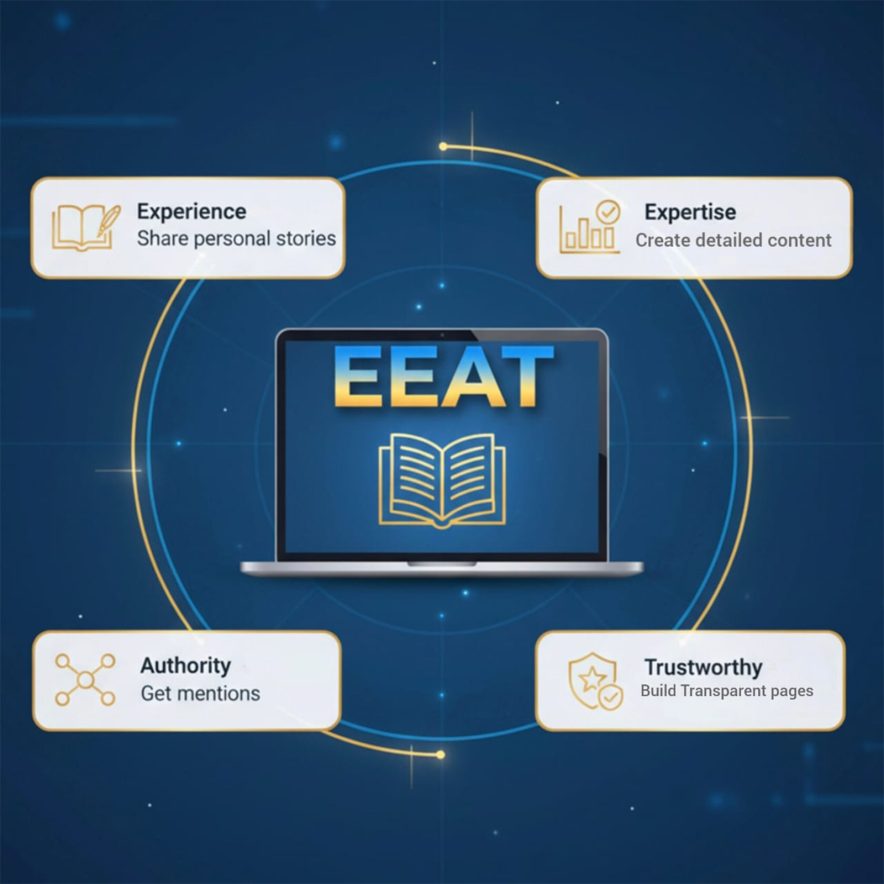
EEAT stands for Experience, Expertise, Authority, and Trustworthiness. It should be the foundation of your content strategy that builds your credibility, grabs loyal readers, and also attracts search engines.
Through this EEAT strategy, Google estimates the value of your content and decides the ranking position in the search results.
So, how to develop this blogging ability? Don’t worry, I will guide you with my simple tips!
Experience – People want to hear from experienced people, so share your personal stories, add images/videos, and engage well with your blog readers.
Expertise – Your readers will expect the helpful content written by someone who is familiar with the topic. Create in-depth articles with a step-by-step process that should fix your readers’ trouble.
Authority – It is the reputation of you and your blog. To gain authority, you need to get Mentions, Build Backlinks, and grow your social visibility.
Trustworthiness – It is calculated by the reliability of your content. So, create transparent web pages for your blog with all your details included, disclose affiliate links, moderate comments, keep your content fresh, and also fact-check the details that you write.
I hope you are clear about this EEAT strategy and how to get this skill for better online visibility.
6. Media Skills
Do you wonder why I should possess the media skills to succeed as a blogger?
My reply is “Yes”. Media skills are nothing but image/infographic designing and video making, as these play a vital role in user interaction.
When you write a product review or a how-to guide, you must be a visual storyteller to capture the readers’ attention. It will build trust and improve your SEO results.
Image Designing
Make your blog visually appealing through the nicely-designed images, infographics, or flow charts. Break down the text and make it a communicative element.
Video Making
As you know, video makes the readers stay longer on your pages, which is a good SEO. It also builds a personal connection between you and your blog readers.
You may utilize tools like InShot or ScreenFlow for making videos, and don’t forget to repurpose them as YouTube Shorts and Instagram Reels for huge visibility.
A blend of text, images, charts, and videos will impress your audience and nudge them to come back for every piece of creation.
7. Social Networking Skills
Social media is a part of SEO. Not only does it help you boost your blog traffic quickly, but it also establishes your identity over there.
You should learn how to use the trending networks like Instagram, LinkedIn, Facebook, Pinterest, and X to get the right audience for your blog posts.
From my blogging experience, I can offer some tips to build an engaging community!
- Create Reels, Shorts, Videos, Infographics, Polls, and Quotes from your blog posts and share with the like-minded people (Use Hashtags)
- Find out the effective time to connect with people on social platforms. Engage with readers through conversations and respond to their comments.
- Write strong captions with interactive visuals and attractive CTA without the selling motivation.
Simply put, social networks are the extensions of your blog where you can show your creative skills and attract a loyal fanbase.
8. Performance Tracking Skill
As a prevailing blogger, sometimes you need to make data-driven decisions for your blog improvement. You should know what is working, what’s not, and what has to be done.
Performance tracking is not a technical task; it is a process of measuring and analysing the performance of your content and other essential things you have implemented.
Why Performance Tracking?
| Reason | Implementation |
| Update Content | Identify low-performing blog posts to update or repurpose. |
| SEO Strategy | Find out the keywords and topics that are driving traffic. Make your content plan accordingly. |
| Understand Visitors | Learn about your readers’ behaviour and preferences, and create content. |
| Measure Goals | Track specific outcomes like email signups, affiliate clicks, and product sales to multiply. |
Many SEO monitoring tools like Semrush, Ahrefs, and Surfer SEO are available; however, I suggest you use Google Analytics and Google Search Console to understand your blog.
Google Analytics
From Google Analytics, you will get a comprehensive view of your blog traffic and user behaviour. You can see
- How many people are coming
- How long do they stay on your content
- Whether they are interacting with the blog posts
- From where they are coming from
- How old are they, and what is their gender
- Which device are they using
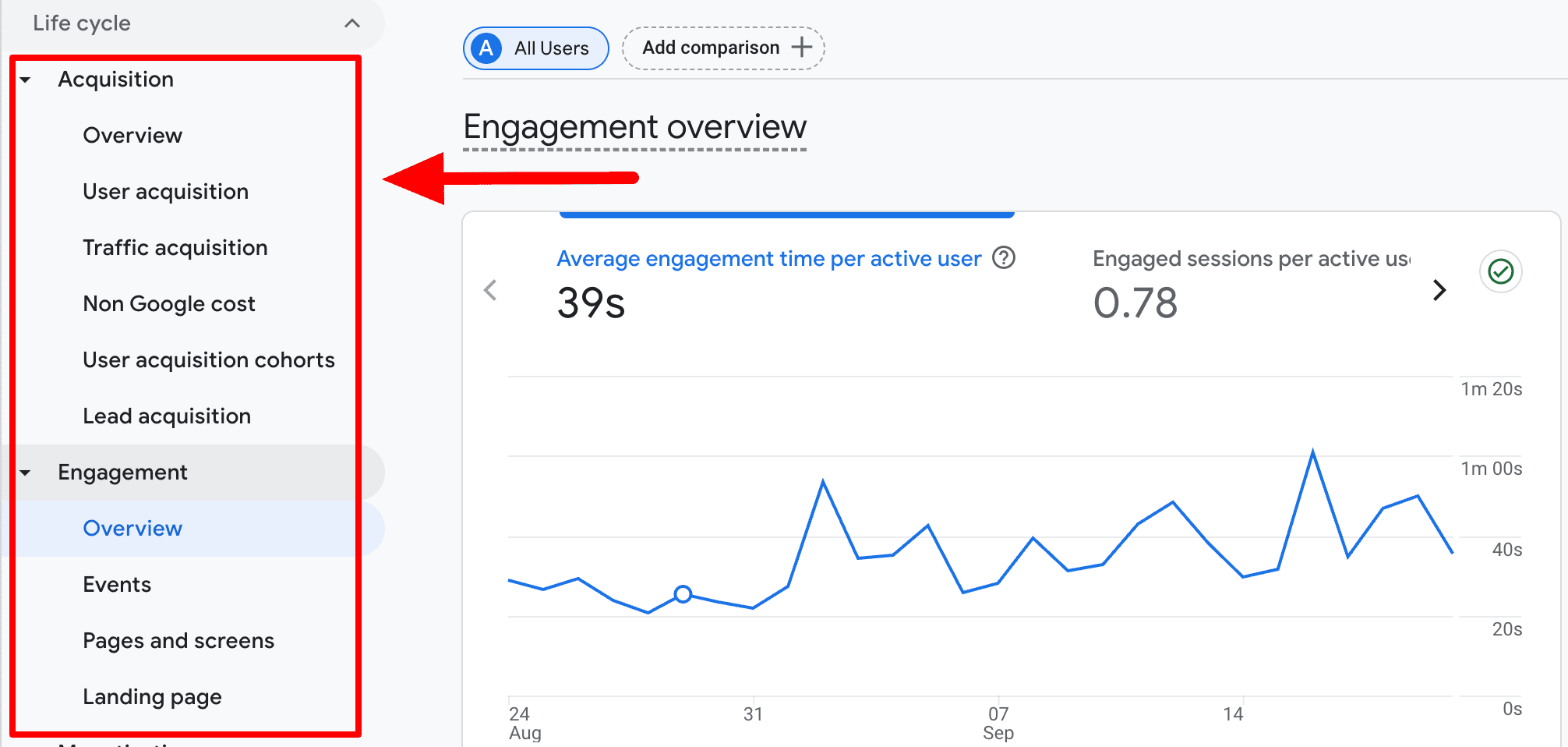
If you see a low engagement on a high-traffic driving post, then you need to improve the structure, include visuals, and change the call-to-action. (Whatever you feel for the betterment)
Google Search Console
GSC reveals how readers are finding your blog on search engines
You will come to know
- Search Queries (Along with the clicks and impressions)
- Click-through-rate (Clicks in search results)
- Indexing and crawling errors (If any)
- Backlinks (Who is linking and pages earn most links)
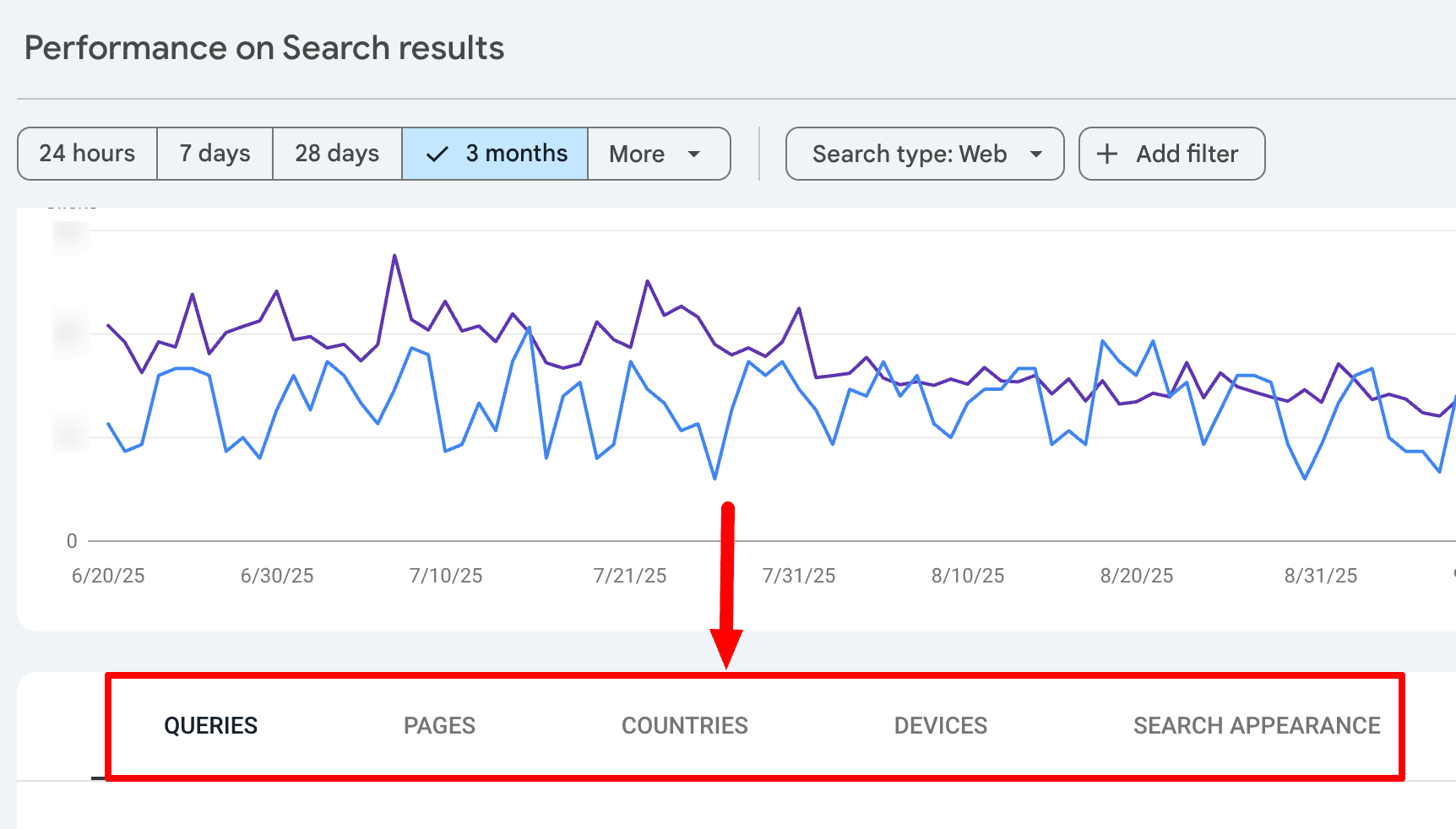
From this data set, you can improve and push the 2nd and 3rd page Google ranking posts to the first page for the targeted keyword.
9. Marketing Skills
One of the major reasons few bloggers quickly succeed online is their selling skills. Learn the art of selling.
If you don’t know how to properly promote or market your blog’s content, product, or services, you will fail to build a loyal readership.
Here are a few simple yet incredible tips to improve your marketing skills as a blogger.
- Connect with the niche influencers and promote their products. They will do in return.
- Read more books, especially marketing, psychology, and business-related ones. They can give you better ideas on what to do and what NOT to do.
- Don’t step back when no one is showing interest in buying your products or hiring your services. Analyze the reasons behind them and bounce back.
The art of selling
The #1 way to become an expert blogger in any field is to learn the art of selling. You shouldn’t sound like a sales guy while pitching your products (be it affiliate products, your products, or services).
Selling is definitely one of the most desired blogging expertise you can acquire as a blogger or marketer. Here are a few great ways to become an expert at selling online.
Be genuine and think like an expert: You need to be genuine. If you’re promoting any affiliate products, you can use affiliate disclosures, show logos, or testimonials from others.
Learn from the pros: People like Neil Patel and Pat Flynn know how to sell online. If you observe how they are closing deals and selling their products, you will learn the secrets.
Read more: The simplest way to learn how to sell online is to read books related to marketing, psychology and business. I suggest you check out books like Influence, Give and Take, and The One Thing to understand how to sell like a pro.
10. Understand “Emotional Triggers” Of Your Audience
Knowing who to sell to is one of the most important blogging skills you need to learn and master.
Without knowing your target audience and what triggers them to buy something online, it gets difficult for you to make money online.
So if you want to become a professional blogger, learn and understand the “emotional triggers” of your target audience.
Here are a few quick ways to understand and define your target audience.
- Spend your time to figure out all the products and services you offer on your website so you can easily identify what kind of people who’ll look for such products and services online
- Study your competitors, as it’s one of the simplest and most effective ways to define your target audience and find out their needs
- Determine your target audience demographics such as age, gender, education, household income and language preference.
How to evaluate the “emotional triggers” of your target audience?
As I said above, understanding your audience is one of the key blogging talents you must master, and here’s how you can find out what triggers your website audience to buy something from you.
Use AIDA: AIDA stands for Attention, Interest, Desire, and Action.
Here’s what it looks like;

- Attention is getting a visitor to pay attention to your website, including a product, commercial, or landing page
- Interest is communicating information in a way that is interesting and memorable
- Desire is generated by making the story extremely relevant and irresistible to your website audience
- Action is a call to action (CTA) regarding what you want someone to do, such as buying a product, subscribing to your email list, or even visiting your website
11. Email Marketing Skill
Email marketing doesn’t have to be complicated. For bloggers, it simply means having a direct way to reach your readers, rather than waiting for Google or social media to send traffic.
Why should beginners care about list building?
- You own your audience – no algorithm can take it away.
- Readers return on demand – one email can bring instant traffic to your blog.
- Trust builds over time – repeated value turns readers into loyal fans.
- Income becomes easier later – email lists convert better than ads or search traffic.
Simple email abilities beginners should focus on:
- Offer something useful to join your list – a checklist, guide, or resource related to your blog.
- Write simple, helpful emails – think friendly advice, not sales pitches.
- Email consistently – even once a week is enough to stay top of mind.
- Share your blog posts by email – give readers a reason to click and read.
You don’t need advanced tools or complex strategies at the start. Focus on building a small list, and you will make it big through your unique ideas.
12. Monetization Skills for Bloggers
Blogging is about turning content into income. To earn consistently, bloggers need to understand how monetization actually works.
Common ways bloggers make money:
- Affiliate marketing – Recommending products and earning a commission.
- Display ads – Getting paid for traffic through ad networks.
- Sponsored content – Brands paying for exposure to your audience.
- Digital products – Selling ebooks, courses, templates, or tools.
- Services & consulting – Monetizing expertise directly.
Essential monetization skills:
- Choosing the right income streams – Match monetization to your niche and audience size.
- Writing conversion-focused content – Guide readers to take action, not just read.
- Understanding buyer-intent keywords – Target topics people search when ready to buy.
- Building trust before selling – Value first, monetization second.
Successful monetization comes from strategy, consistency, and understanding the audience, not luck.
13. User Experience (UX) Skills
Google closely tracks how users interact with your blog. If visitors bounce quickly, rankings drop. Strong UX keeps readers engaged and signals quality.
Key UX & readability factors:
- Short paragraphs – Make content easy to scan and less intimidating on screens.
- Clear subheadings – Help readers find answers quickly and understand the structure.
- Mobile-friendly design – Ensure your blog content is fixed for phone screens
- Fast page loading speed – Slow pages frustrate users and increase bounce rate.
Good UX improves readability, increases dwell time, reduces bounce rate, and sends strong positive signals to search engines, making it a critical blogging skill.
FAQs
Here are a few important questions about the essential blogging skillfulness you need to become a successful blogger in 2026 and beyond.
Learning the skills can take a few weeks, but mastering advanced skills like SEO, analytics, and monetization may take several months. It improves with consistent practice and real-world experience.
Nowadays, SEO is about “User Experience”. Google rewards Fast site loading, mobile-friendly design, smooth navigation, valuable content, and uniqueness. So, you should focus on learning these things to pass core web vitals and avoid dwell time.
Basic HTML & CSS knowledge for formatting
Using the analytics tool for tracking user behaviour
Implementing the site speed optimizations
Understanding the recent SEO strategies like GEO
Yes! You can use the “Text generation tools” to optimize the meta description and the “Paraphrasing models” to repurpose your content.
Yes, but income potential is limited! Bloggers who learn SEO, affiliate marketing, email marketing, and conversion optimization earn significantly more than those relying only on basic expertise.
Final Thoughts
Successful bloggers aren’t just good writers. They understand SEO, audience behavior, content planning, promotion, analytics, and monetization. More importantly, they continuously adapt and improve.
Mastering blog competency is no longer optional; it’s essential! The truth is, you don’t need to master all at once. Start with:
- Writing valuable content
- Learning basic SEO
- Understanding your audience
Then, gradually build advanced capabilities like analytics, email marketing, and monetization. Blogging rewards those who stay consistent, keep learning, and focus on long-term growth.
If you’re serious about building a profitable blog in 2026 and beyond, investing time in learning the right blogging skills will pay off more than any shortcut ever could.








The two skills you’ve put here that I have to improve are #2 CSS and HTML skills, and #5 photo editing skills. I guess I have to pick up that Dummies book if I want to seriously learn about CSS and HTML, but for now, I’ll stick to learning some of them here on the Net.