


Google’s AI Mode is live. It’s growing faster than ever.
And 80% of bloggers now use AI in their daily work.
So… is blogging dead?
Short answer: No.
But the way blogging worked back in 2020? It is completely outdated now.
I’ve been running BloggersPassion since 2010. I’ve seen websites losing almost all of their traffic due to Google algorithm updates. And now, AI is changing the game again.
But here’s what I’ve learned after 15+ years: every major change in blogging creates new opportunities.
In this post, I’ll share 5 predictions about where blogging is heading, what’s already dead, and exactly what you should do to stay ahead in 2026 and beyond.
Is Blogging Dead in 2026? Here’s What the Data Says
There are over 600 million blogs on the internet right now. And that number keeps growing every single day.
According to Hostinger, 77% of internet users read blogs regularly. That’s over 4 billion readers worldwide. Blogs aren’t going anywhere.
A SearchEngineLand study found that blogs appear in 23% of the top 5 Google positions. No other content type shows up that often.
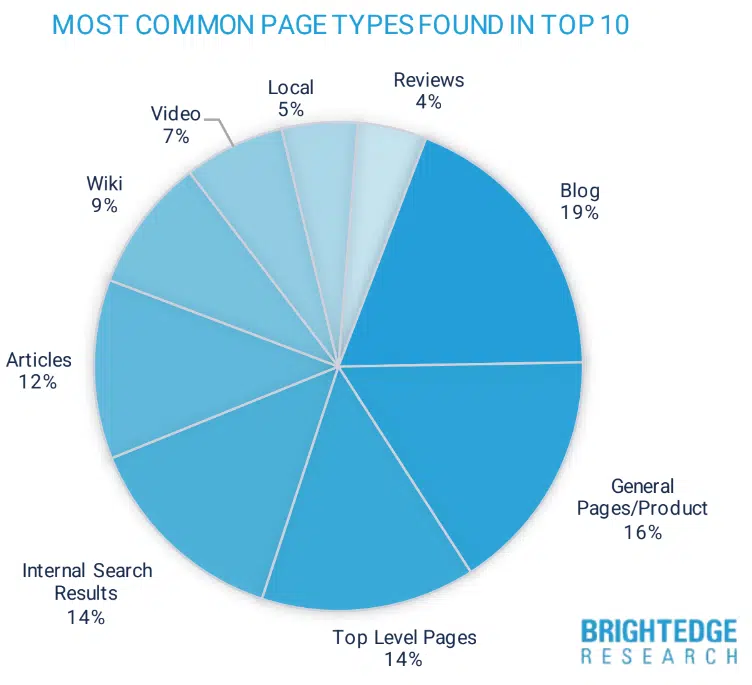
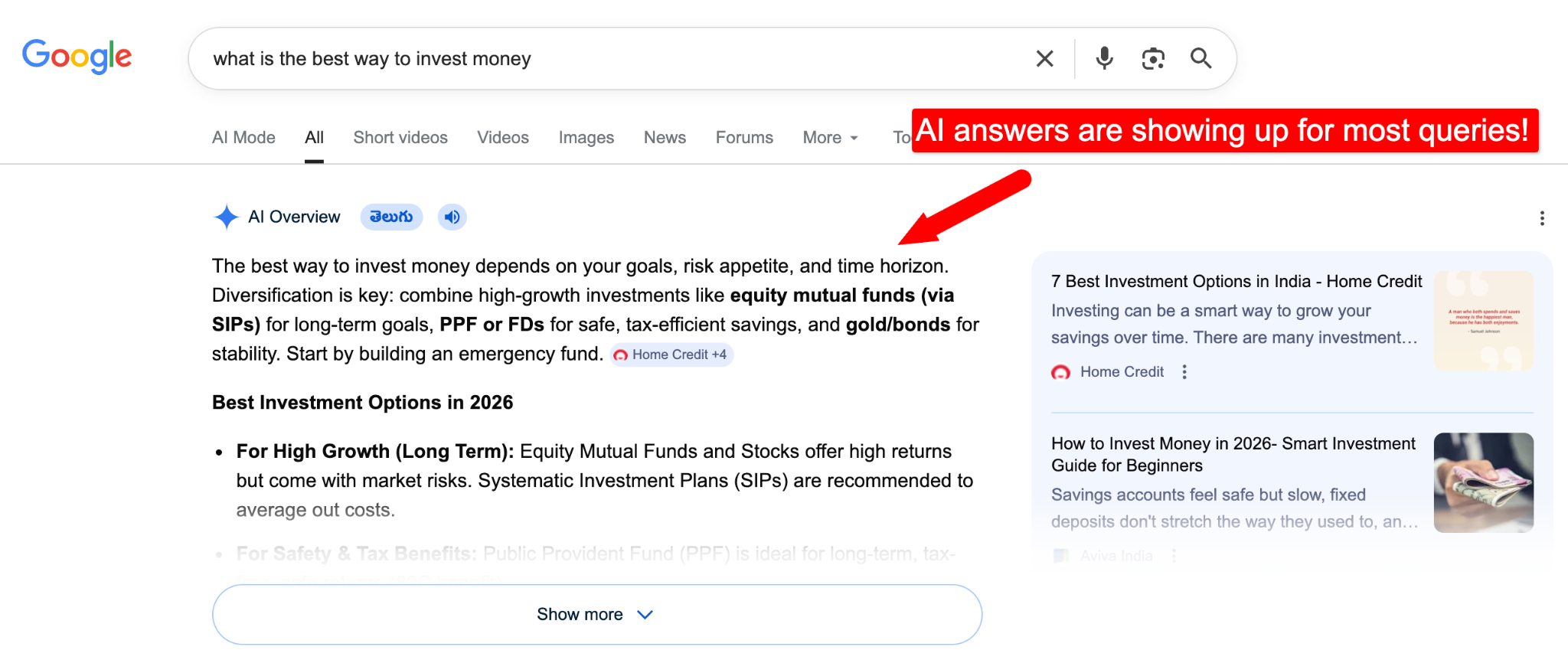
But there’s a catch: 58% of Google searches in the US now end without anyone clicking on a website. Google’s AI Overviews answer the question right there on the search page.
So what does all this mean?
Blogging isn’t dead. Lazy blogging is dead.
The blogs that just rewrite what’s already on page one? Those are finished. The blogs that provide REAL experience, original data, and genuine value? They’re going to stay.
5 Blogging Predictions for 2026 and Beyond
1. AI Overviews Will Change How Blogs Get Traffic
This is the single BIGGEST change in blogging right now.
Google’s AI Overviews are showing up for nearly 19% of desktop keywords in the US, according to SEOClarity.
Here’s the breakdown of which queries trigger AI Overviews the most:
- 84% are informational (“what is SEO”)
- 12% are transactional (“best SEO tools”)
- 3% are navigational (“Ahrefs login”)
What does this mean for you?
If your blog only answers simple “what is” questions, you’re going to lose traffic. Google’s AI will answer those questions before anyone clicks on your post.
The fix? Target queries where AI can’t fully satisfy the reader. Think comparison posts (“Ahrefs vs Semrush for beginners”), experience-based guides (“How I grew my blog to 100K visitors”), and step-by-step tutorials with real screenshots.
Why do they work? Because these types of posts need depth that an AI summary simply can’t replace.
For example, if you search “what is SEO,” Google’s AI will give you a solid answer right on the page. Nobody needs to click a blog post for that.
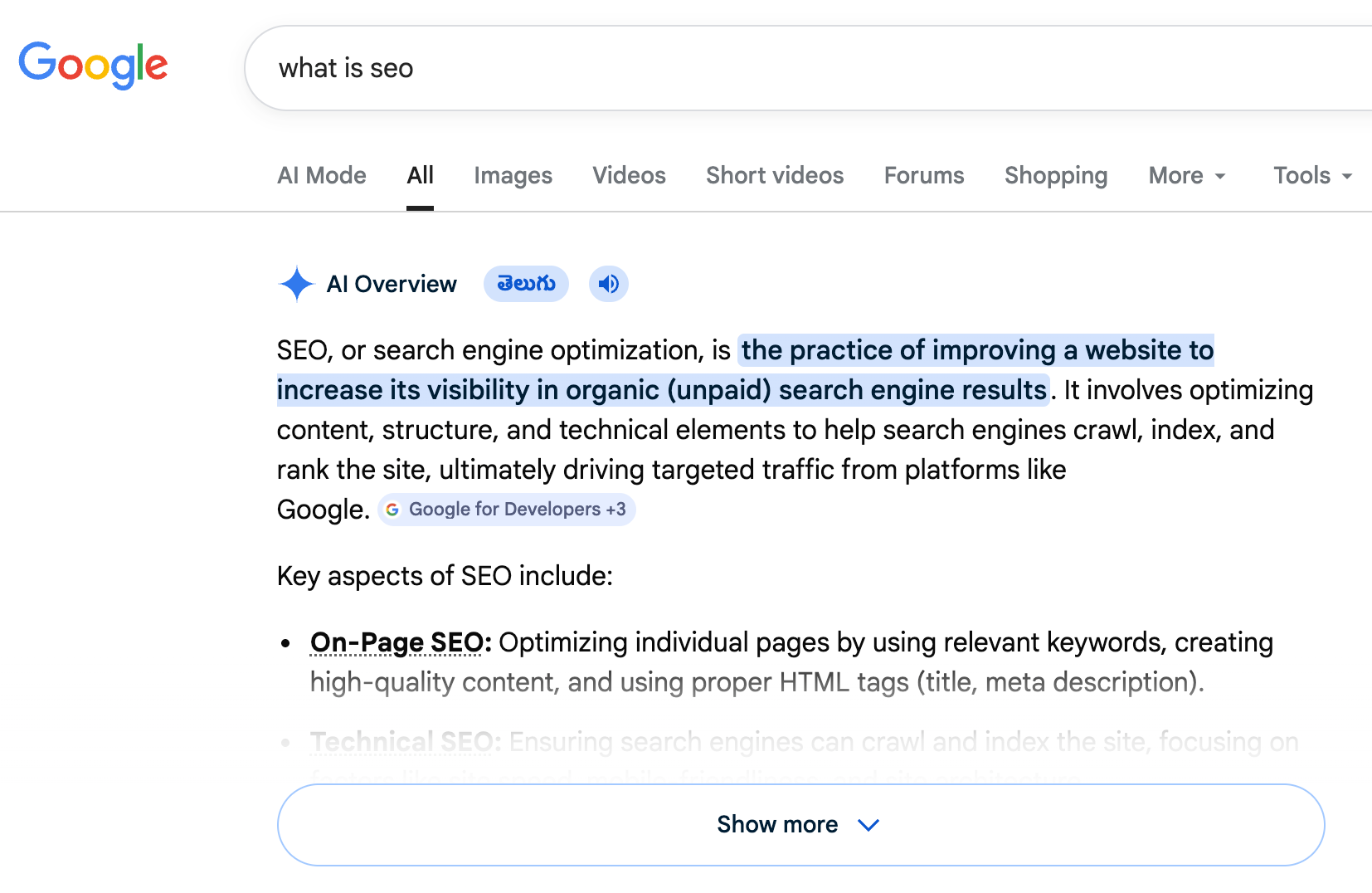
But if you search “how I used SEO to grow my blog from 0 to 50K visitors,” AI can’t generate that. Only a real blogger with REAL data can write that post. And THAT post still gets clicks.
2. First-Hand Experience Becomes Your Biggest Advantage
Google added one more “E” to its guidelines. It’s now E-E-A-T: Experience, Expertise, Authoritativeness, and Trustworthiness.
That extra “E” was introduced because of AI content everywhere.
AI can write a post about “best keyword research tools” in under 1 minute. But AI has never actually used those tools. It can’t show you a screenshot of its own Ahrefs dashboard. It can’t tell you which specific feature saves you the most time.
But you can.
This is your biggest advantage, as REAL experience is something AI can NOT fake.
At BloggersPassion, every tool we recommend is a tool we actually use. When we write about Semrush, we include our own data. When we share SEO tips, they come from our own Google Search Console results.
That’s what separates blogs that rank from blogs that don’t get any traffic.
Practical tip: Add screenshots of your actual results. Share specific numbers. Talk about what worked AND what didn’t. That kind of honesty builds trust, and Google rewards it.
3. Personal Branding Is No Longer Optional
Here’s a pattern I’ve noticed.
The bloggers who are getting more traffic are building personal brands.
Ryan Robinson. Pat Flynn. Neil Patel. Brian Dean. These names are brands.
So, start building your brand to succeed.
Here are a few things that work:
- Use a professional headshot on your blog, social profiles, and email.
- Write under your real name. Readers connect with people, not anonymous “admin” accounts.
- Be easily findable. When someone Googles your name, your blog and social profiles should show up. Create a LinkedIn profile, and be active on at least one social platform.
4. You’ll Need to Optimize for AI Search Engines (Not Just Google)
Google isn’t the only search engine anymore.
There’s ChatGPT, which is growing fast. Then, Perplexity AI, Google Gemini, and Google’s own AI mode.
All of these tools pull info from blogs. And they cite sources.
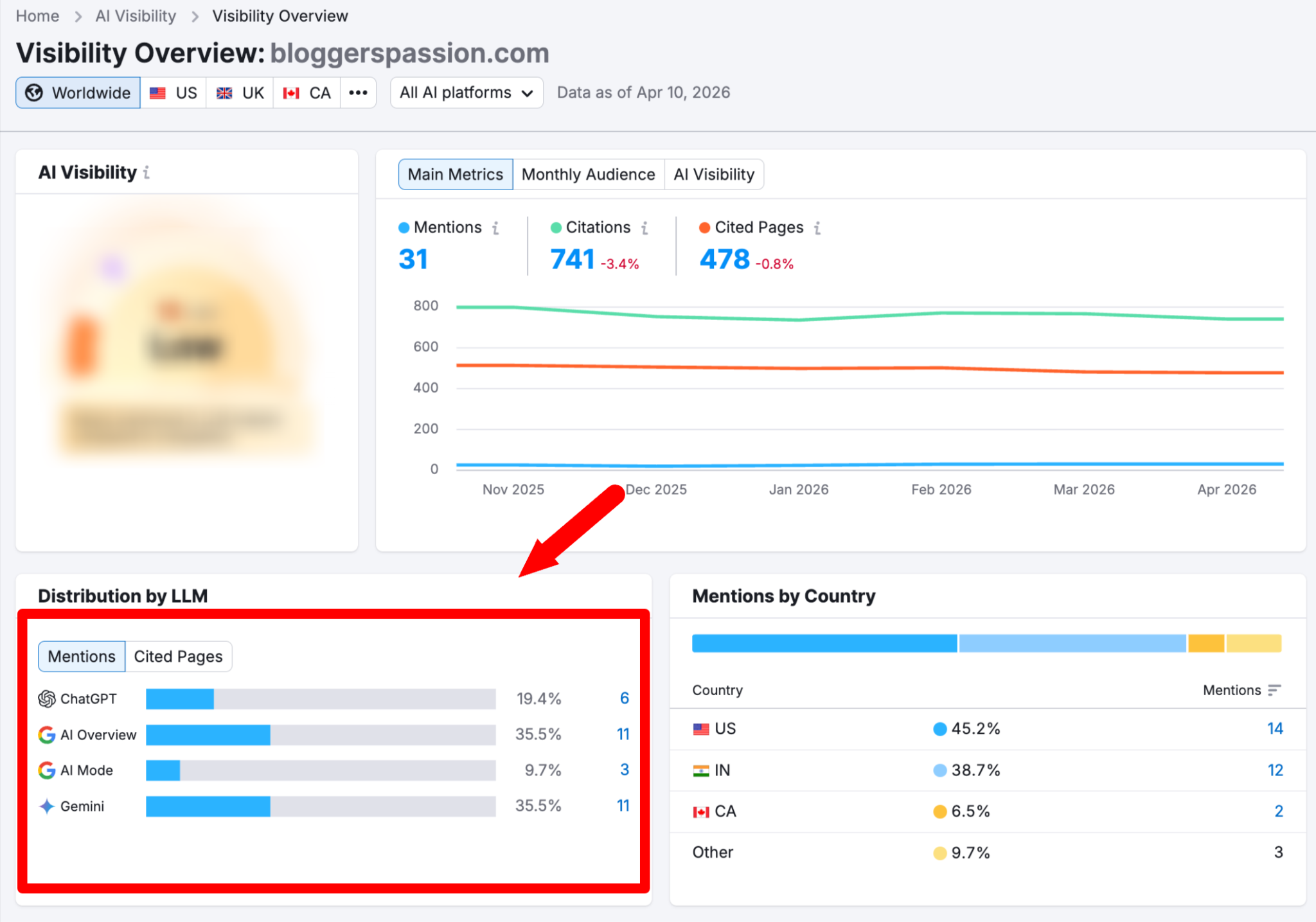
That means your blog can get mentioned by AI tools and send you some traffic.
Here’s how to make it work:
- Start every key section with a direct answer in the first 1 to 2 sentences. AI tools love pulling these as citations.
- Use clear H2 and H3 headings that match what people actually ask. Structure your posts so an AI crawler can easily understand what each section covers.
- Add an FAQ section to your posts. This also helps with question-based keywords.
At BloggersPassion, we started structuring our posts this way in 2026. And we’ve noticed our content getting cited in various AI search results for several keywords.
5. Traffic Diversification Is Not Optional Anymore
Remember the Google Helpful Content Update (HCU) from 2023?
Some bloggers lost 50-80% of their traffic overnight.
After the introduction of AI into Google search, almost all the blogs lost their traffic. Many never recovered. The common thing? They relied entirely on Google for traffic.
Don’t make that mistake.
Here’s what smart bloggers are doing in 2026:
- LinkedIn works incredibly well for most marketing niches. One good post can drive hundreds of targeted visitors to your blog.
- YouTube is the second-largest search engine. Turning your blog posts into short videos gets you in front of a completely different audience.
- Pinterest still drives massive traffic for lifestyle, food, finance, and DIY niches. It’s underrated, as most bloggers don’t use it.
- X (Twitter) works really well for building authority and driving targeted readers.
You don’t need to be on every platform. Pick one platform that fits your niche and go all in.
The goal is simple: never let one traffic source control your entire business.
5 Blogging Strategies That Are Dead (Stop Doing These)
Many blogging techniques are already dead or dying. So… let’s talk about those outdated blogging tactics.
1. Publishing Every Day Without a Strategy
More posts ≠ More traffic.
One well-researched article outperforms ten thin 500-word posts every time.
Google ranks pages based on quality, not quantity. Focus on publishing fewer but better posts.
2. Using Free Blogging Platforms
Blogger. Tumblr. Free WordPress.com. If you’re serious about blogging, stop using these platforms.
You don’t own the content on free platforms. They can shut down or change terms whenever they want. Self-hosted WordPress gives you full control over your blog, your design, and your monetization.
3. Depending 100% on Google for Traffic
We already covered this, but it’s worth repeating.
Any blogger who gets all their traffic from Google search is one algorithm update away from losing all their traffic. Build an email list. Build your presence on social media. Create a YouTube channel. Be everywhere!
4. Publishing AI Content Without Editing
Copy-pasting ChatGPT’s output directly into your blog is the fastest way to kill your rankings.
You can use AI for brainstorming ideas or outlining drafts. That’s it. Don’t use them for content creation, as they don’t add any value.
You need helpful content with real examples, screenshots, and your expertise.
5. Attracting “Random” Visitors
Stop attracting unwanted random visitors to your website.
There’s no point in getting thousands of irrelevant visitors to your site who are uninterested in your content, products, or services.
Most newbies try to create many articles on irrelevant topics just to attract more traffic. They don’t realize that “relevant traffic” will NOT help them build a successful blog.
In fact, you’re killing your blog if you attract random visitors because there will be a high bounce rate and less dwell time.
Do this instead:
Target relevant long-tail keywords in your niche. SEO is the BEST way to attract “targeted visitors” to your website.
Use tools like Semrush, Ahrefs, Ubersuggest, etc, to find low-competitive yet profitable keywords in your niche.
Long-tail keywords are often less competitive and help you achieve better conversions. The following illustration illustrates the importance of targeting long-tail keywords.

How to Future-Proof Your Blog in 2026? A Checklist
Here’s a quick checklist you can use right away.
- Pick one secondary traffic source. LinkedIn, YouTube, Pinterest, or email.
- Build topical authority in one niche first. Don’t cover every topic under the sun.
- Start an email list today. Even if you only have 10 subscribers. Every successful blogger I know says they wish they’d started their list sooner.
- Optimize for AI search. Structure your posts with clear headings, provide direct answers, and use FAQs.
- Create at least one video per month. Embed it in your blog post and upload it to YouTube.
- Update old content every 3 to 6 months. Your best posts from last year might have outdated stats or broken links. Refreshing them can boost rankings.
Final verdict about the future of blogging
Is blogging worth it in 2026? Yes, it is growing strong. The problem isn’t blogging; it’s you.
99 out of 100 people quit blogging within a few months. They start their journey, create content, and quit if they don’t see any results.
You can build a money-making blog by focusing on the long term. You need to adapt to the latest blogging and SEO trends.
Pick one prediction from this list. Act on it this week. Start an email list. Restructure your best post for AI search. Update that article from 2023 that’s losing its rankings.
Have questions about the future of blogging? Drop them in the comments below.
FAQs on the Future of Blogging & Digital Marketing
Here are some frequently asked questions about the future of blogging in India and worldwide.
AI is growing rapidly. Even Google is showing AI-generated answers for most queries, which is directly impacting the traffic of many websites. But AI can NEVER replace blogging, as AI bots can’t generate original, data-driven answers, unlike humans.
Blogging is NOT dead. In fact, the readership and the total number of blogs going live each day are growing rapidly. However, outdated blogging tactics like publishing daily, using free blogging sites, creating thin content, etc., are NOT working anymore.
If done right, blogging can be a profitable business. From our blog, BloggersPassion, we earn over $15,000 every month.
Here are some of the best ways to make your blog stand out from the crowd.
– Use an appealing and unique design
– Create extremely good content
– Build a personal brand around your blog
WordPress is the best blogging platform. A self-hosted WordPress platform gives you full control over your site. You can customize your themes however you want, and you’ll also get access to thousands of powerful plugins to run your site.
Yes, blogging is still relevant and a lucrative career option. Here are some of the biggest reasons:
– Attracts more traffic
– Helps you build a brand
– Helps you connect with influencers and other bloggers
– Attracts more website sales
Yes, blogging is an excellent career choice if you’ve good skills in writing, networking, SEO, coding, etc. These skills can be attained with time and practice.
Short forms of content, such as YouTube Shorts, Instagram reels, etc., are consumed extensively. Also, AI chatbots like ChatGPT are replacing the need to search for information online.
Read: Future of Affiliate Marketing: Is it growing rapidly or slowly dying?







![How to Start a Blog in 2026 in India [Beginner Friendly Way] – My Example](https://bloggerspassion.com/wp-content/uploads/2012/01/how-to-start-a-blog-300x157.jpg)

Onward and upward Anil. We are really just getting started because bloggers and Google are doing things the right way, for the first time, on an increasing scale. Bloggers are sharing value and building bonds through learning the right way and also at Google's goading.