


I have spent more than 12 years in the SEO world.
During this time, I’ve seen many tools come and go. People often ask me why I lean toward Semrush when Ahrefs is also sitting right there on my dashboard.
The truth is that I use both.
But you don’t have to.
You need to choose as per your needs.
Both offer core SEO tools, but they differ.
I jot down the main differences I found while using them.

Comparison at a Glance:
| Feature | Semrush | Ahrefs |
|---|---|---|
| Best For | All-in-one marketing and link building | Core SEO & link building |
| Daily Rank Tracking | Included in basic plans | Requires a $199/month upgrade |
| AI Search Tracking | Robust and very affordable | Powerful but much more expensive |
| Keyword Storage | Unlimited lists (1,000 keywords each) | 5 lists (500 keywords total) |
| Keyword Research | Huge database with personal difficulty scores. | Unique “Clicks” data for real traffic potential. |
| Technical SEO | Includes an “AI Search Health” score. | Features an “Always-On” crawler. |
| Project Limit | 3 websites (Basic Plan) | 5 websites (Basic Plan) |
| Ease of Use | Learning curve due to many tools | Very clean and straightforward |
| Mobile App | Yes (Available on the go) | No mobile app |
| Database Size | Larger (Finds more “zero volume” terms) | Almost Similar |
| Social Media Tools | Built-in posting and tracking | None |
| Link Building | Active outreach and CRM tools | Analysis tools only |
| Free Trial | Yes (7 to 14 days) | No free trial available |
| Pricing Model | Pay for the toolkits you actually use. | High monthly fees for specific pro modules. |
| Starting Price | Around $117/month (billed annually) | Starts at $29 (but very limited) |
Accuracy Test: Semrush vs Ahrefs vs Moz vs Google Search Console
I noticed that the competitive analysis data in Ahrefs, specifically the organic clicks, is not quite hitting the mark.
I even did a little experiment. I compared the data for my own site in Ahrefs with that in Google Search Console. The results? There were some pretty clear discrepancies.
| Site | Last 3 Months Clicks (Google Search Console) | Last 3 Months Clicks (Ahrefs) | Last 3 Months Clicks (Semrush) | Last 3 Months Clicks (Moz) |
|---|---|---|---|---|
| BloggersPassion | 5.69k | 6.9k | 6.4k | 5.9k |
| WPCoupons.io | 7.55k | 4.77k | 6.7k | 8.2k |
I generally believe those tools who shows data closer to Google Search Console.
It is a good reminder that while these tools are great, they are still just making educated guesses. They don’t have a direct line into Google’s brain like Search Console does.
Explore: Semrush Review in Detail
Explore: Ahrefs Review in Detail
For Which Reasons I am Using Semrush
1. I Need to See My Brand in AI Answers
Search is changing fast. It is not just about Google blue links anymore. I need to know if ChatGPT or Perplexity mentions my brand when someone asks a question.
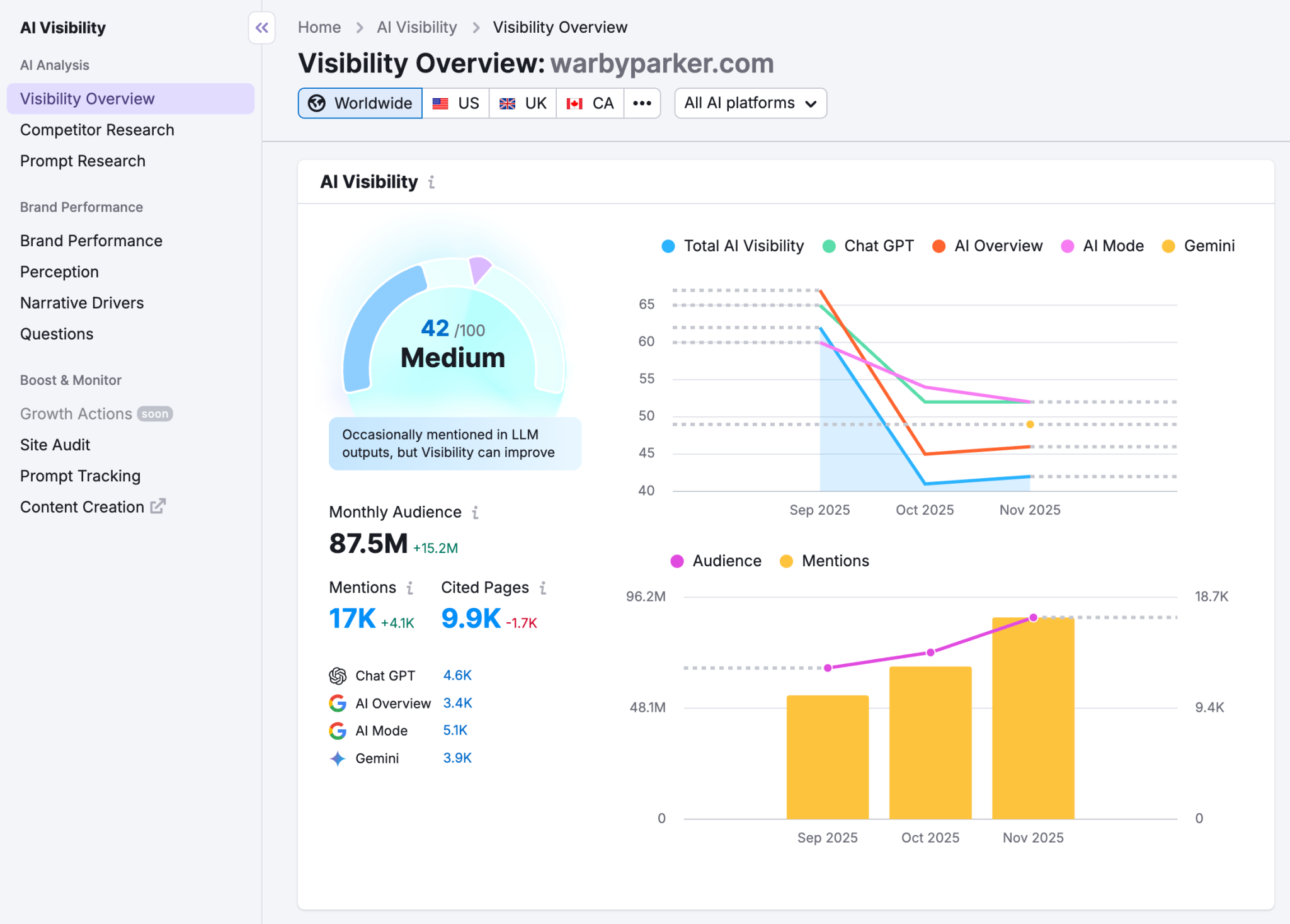
Semrush gives me a clear visibility score for these AI platforms. I can track specific prompts daily. It feels like regular rank tracking, but for the modern age. If I am not showing up in a Google AI Overview, I can see that immediately and try to fix my content.
It even includes sentiment analysis. This tells me whether the AI “thinks” well of my brand.
2. The Difficulty Scores are Actually Personal
Standard keyword difficulty (KD) is okay for a quick look. But my site is not the same as a brand-new blog or a giant like Forbes.Semrush has a metric called Personal Keyword Difficulty (PKD%).
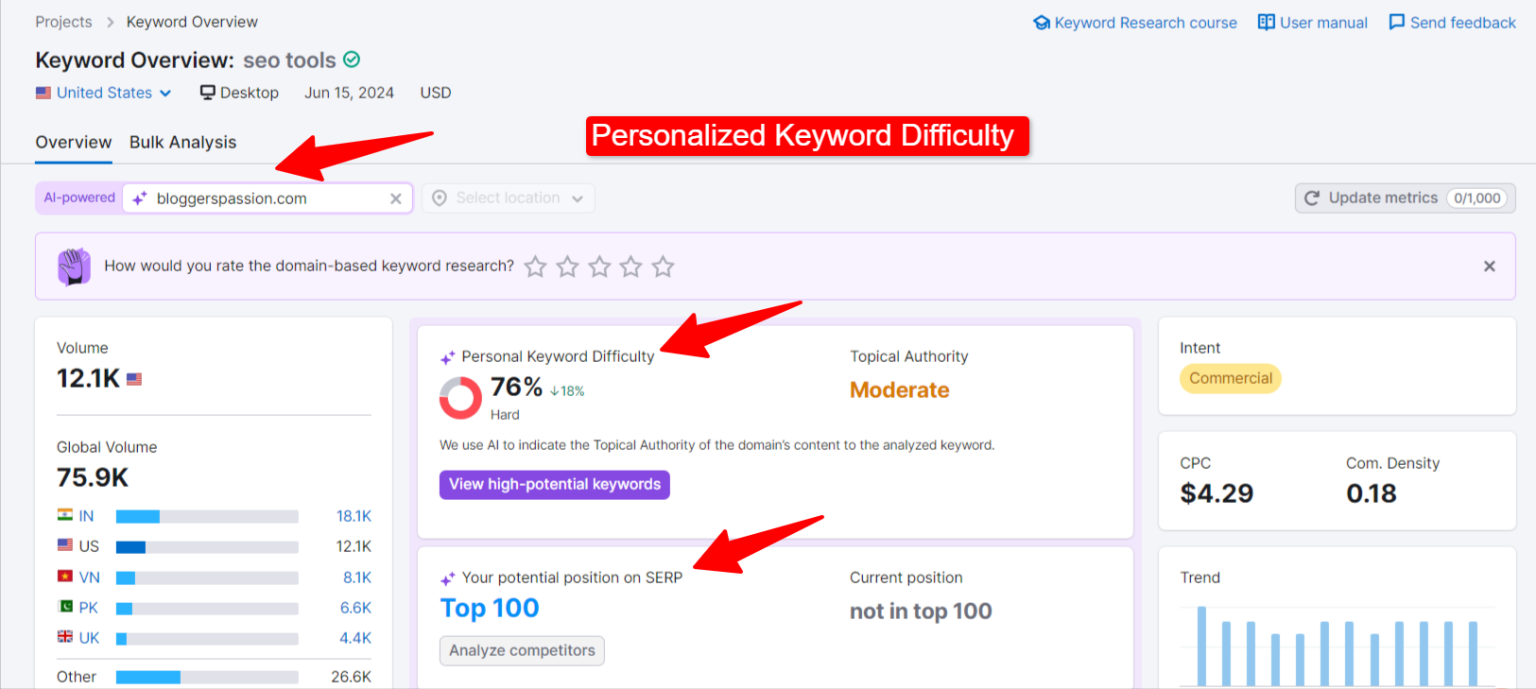
It looks at my specific domain and tells me how hard it will be for me to rank. This saves me hours of manual work. Why chase a “medium” keyword that is actually “hard” for my specific site? It keeps my strategy grounded in reality.
3. Smart Keyword Intent
Finding a high-volume keyword is easy. Understanding why someone is searching for it is the hard part.
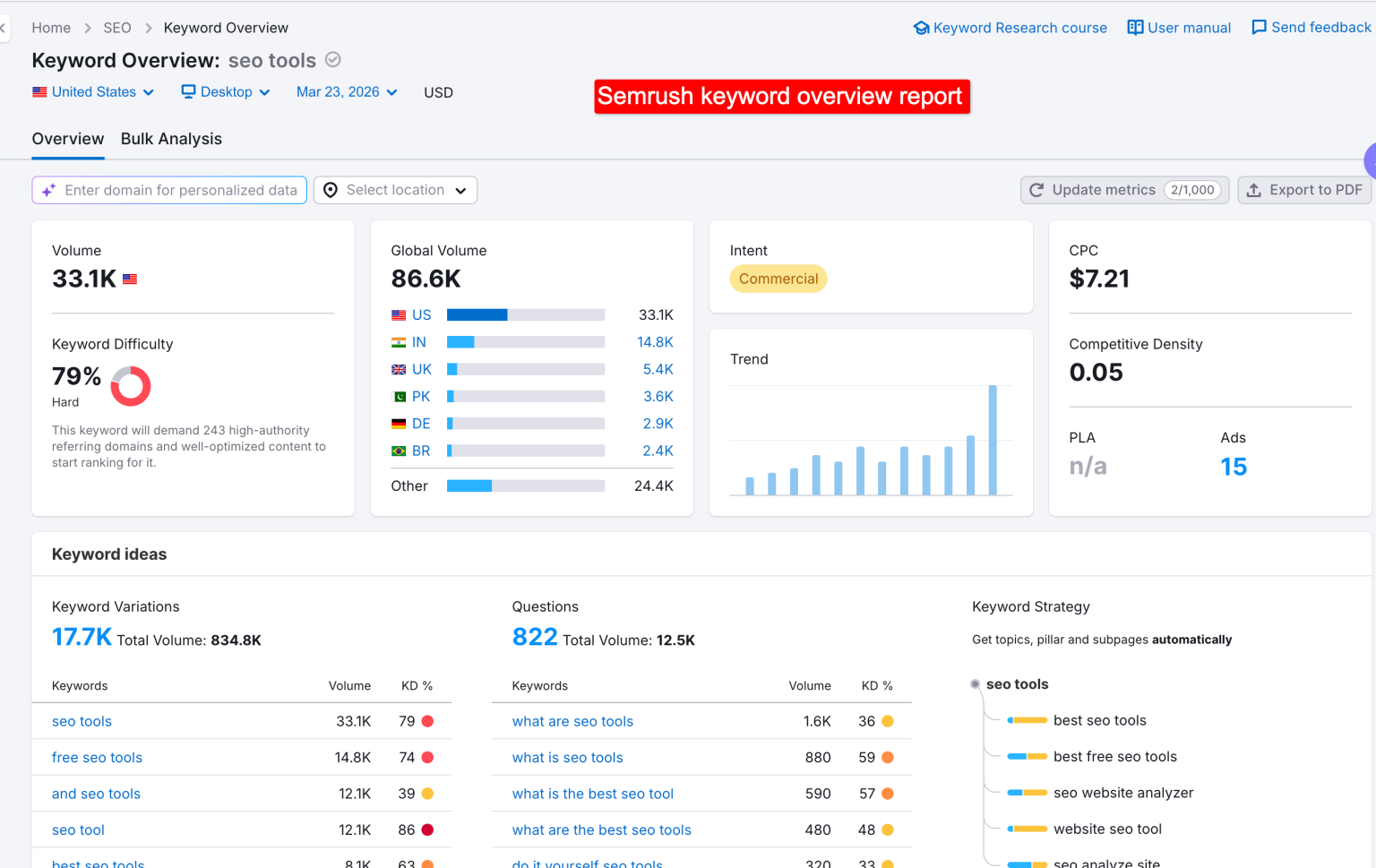
The Keyword Magic Tool provides search intent for every term. It also shows me PPC costs and keyword clustering. This helps me build a content map that actually converts.
4. Finding “Hidden Gem” Keywords
I often find that Semrush suggests topics and keywords that other tools simply miss. When I am stuck on a content plan, I use their suggestion engine to identify market gaps.
The database feels deeper. I have searched for terms that show zero results elsewhere, only to find a wealth of related opportunities here. This helps me build a more complete content roadmap for my sites.
5. I Can Measure My Topical Authority
Google loves experts. I always tell my team that we need to own a topic, not just a keyword. Semrush has a built-in Topical Authority check.
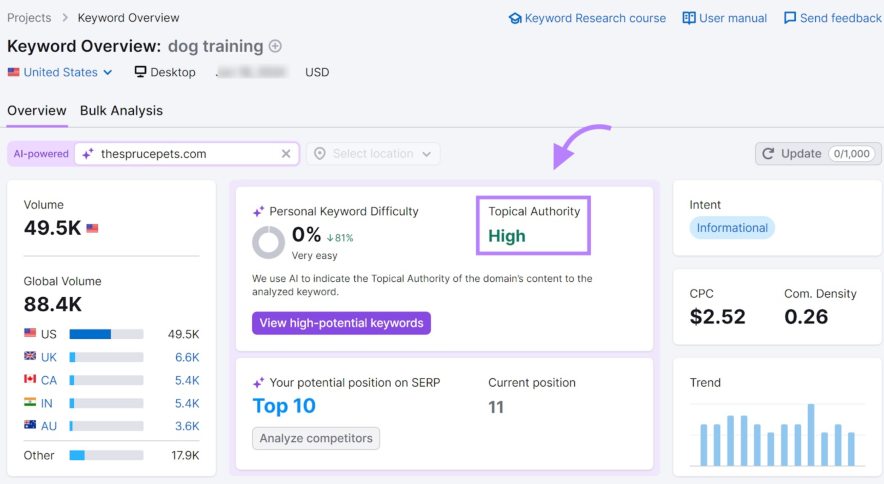
It looks at how much content I have on a subject and tells me if I am seen as a leader.
If the tool shows I am weak in “Managed Hosting,” I know I need to write five more deep-dive articles there. It takes the guesswork out of content planning.
6. Visual Competitor Comparisons
I am a visual person. I love the Keyword Gap and Backlink Gap tools because they use Venn diagrams.
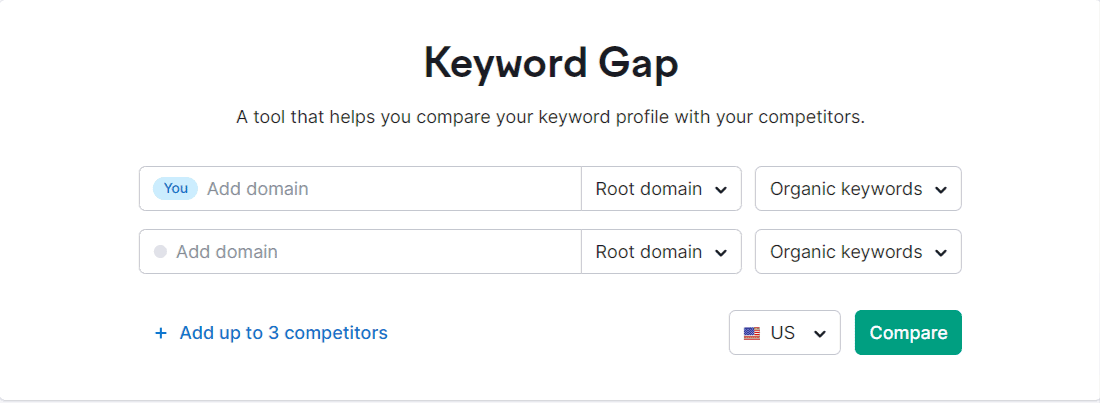

I can put my domain against four competitors and see exactly which keywords they rank for that I don’t. It makes my “to-do” list very clear within seconds.
7. Accurate Rank Tracking Across Engines
Most people only care about Google. But I want to know how I am doing on Bing, Baidu, and even within AI search results. Semrush provides daily updates for all of these.

Google rankings change every hour. If you only see updates once a week, you are making decisions based on old news.
The standard tracking here updates daily. Knowing exactly where my pages stand every morning allows me to react quickly to updates or competitor moves.
It also tracks SERP features like Featured Snippets and AI Overviews, which are critical for staying on top today.
Managing a portfolio of 3 websites requires a lot of data. Most basic plans on other platforms limit you to a few hundred keywords.
Semrush is much more generous. It allows for unlimited keyword watchlists. This freedom lets me be more experimental. I can track broad keyword clusters without worrying about hitting a strict limit every time I want to check a new niche.
8. Technical Audits for the AI Era
A technical audit used to just be about broken links and slow pages. Those still matter, but now we have to think about bots.
I use the AI Search Health score in the Semrush audit. It tells me if I am accidentally blocking AI crawlers. If a bot can’t crawl you, it can’t cite you. Having this front and center helps me sleep better at night.
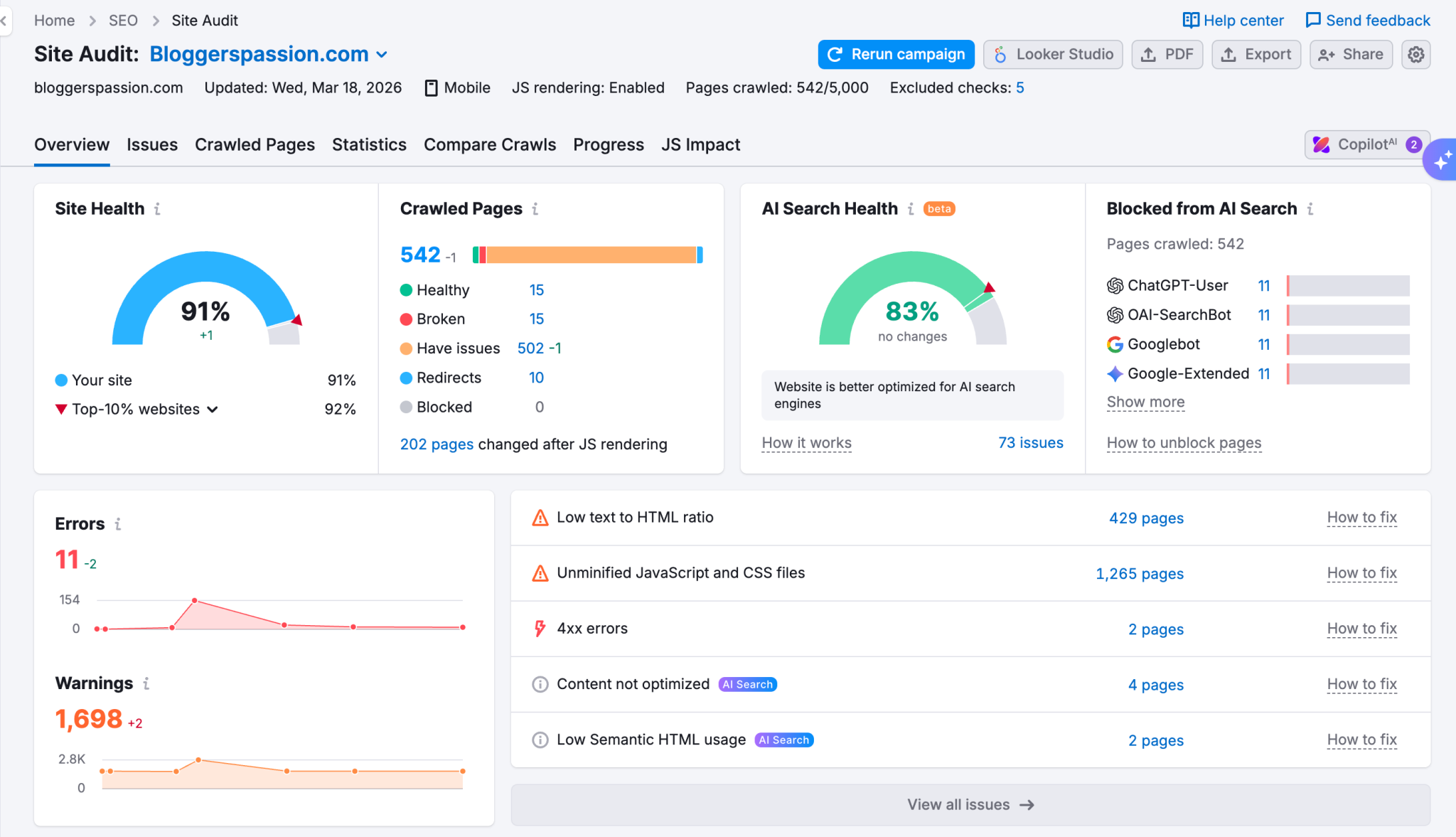
Semrush goes further with Log File Analysis. This allows me to see exactly how Googlebot crawls my site. If you have a large site, this data is gold. It helps me fix crawl budget issues that other tools simply miss.
9. Actionable Link Building
Most tools show you a list of backlinks and leave you to figure out the rest. Semrush is different. It doesn’t just show data; it gives me a “to-do” list.
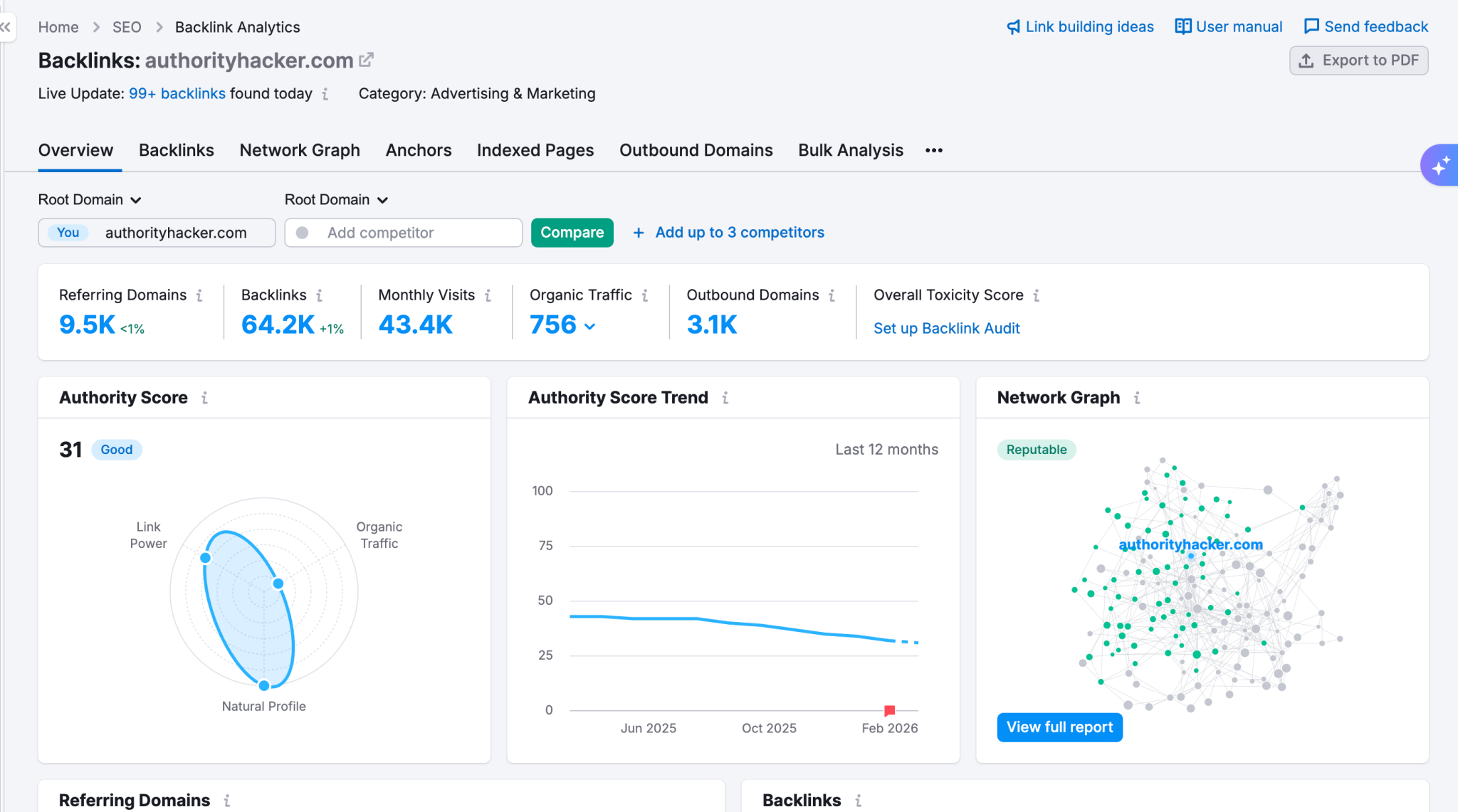
It explicitly points out which of my articles need more links and tells me exactly where I can try to get them.
For a busy consultant, this saves hours of manual analysis. It turns raw data into a clear strategy.
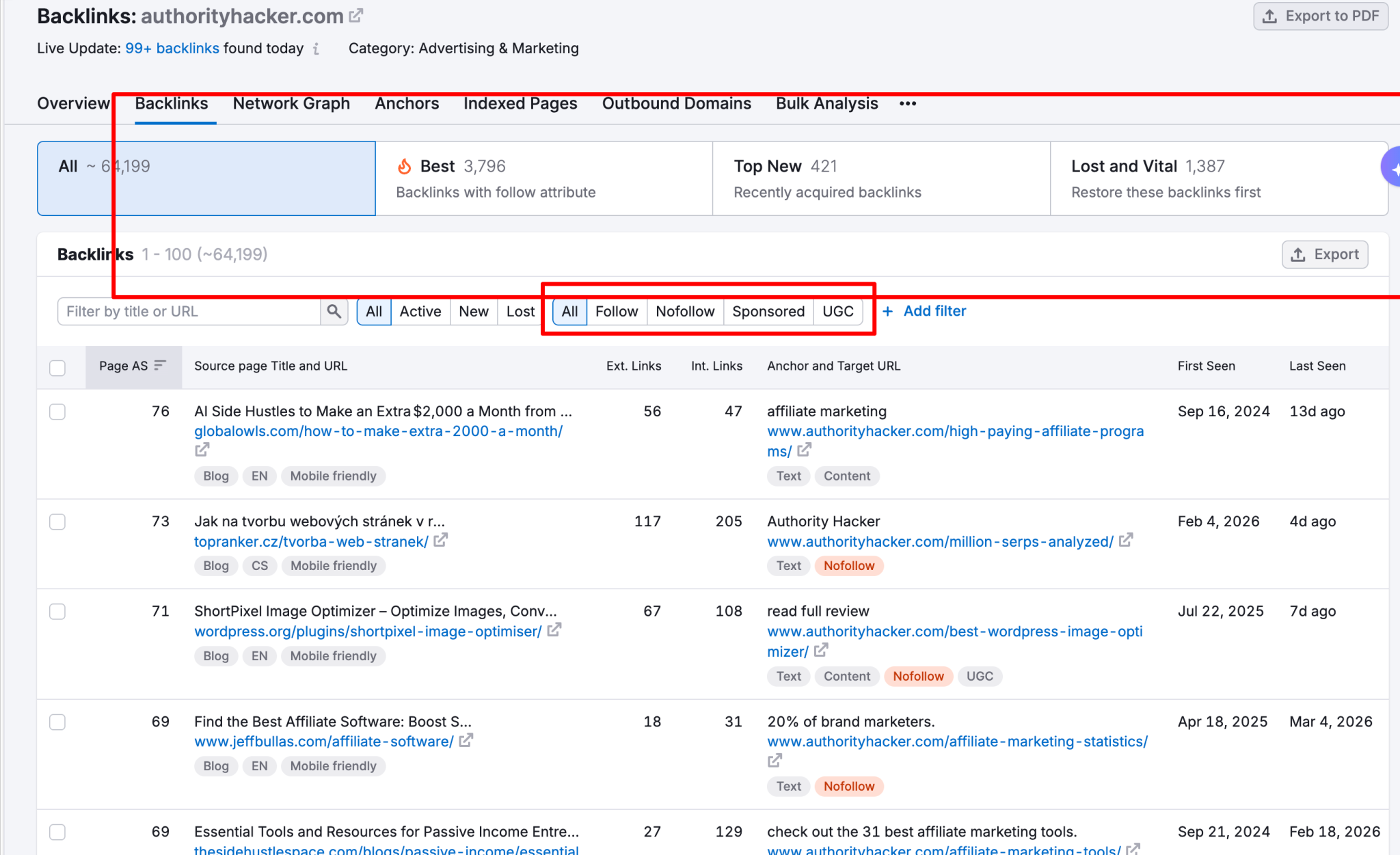
I also use Semrush for Backlink quality control. It assigns a clear score from 1 to 100 for every link. This makes it easy to spot toxic links that might be dragging a site down. I must admit that Moz has a better link spam checking mechanism, but Semrush did a good job as well.
10. It Is a Real Workspace for Paid Ads
I don’t just do organic SEO. When I run PPC campaigns, I hate having to jump between 5 different tabs.
Semrush lets me plan my ad groups, clean up my keyword lists, and export everything straight to the Google Ads Editor. Ahrefs is great for seeing what competitors are doing with ads, but Semrush actually helps me build the campaigns. It is a huge time saver for my team.
For Which Reasons I use Ahrefs Side By Side:
1. A Clean and Focused Interface
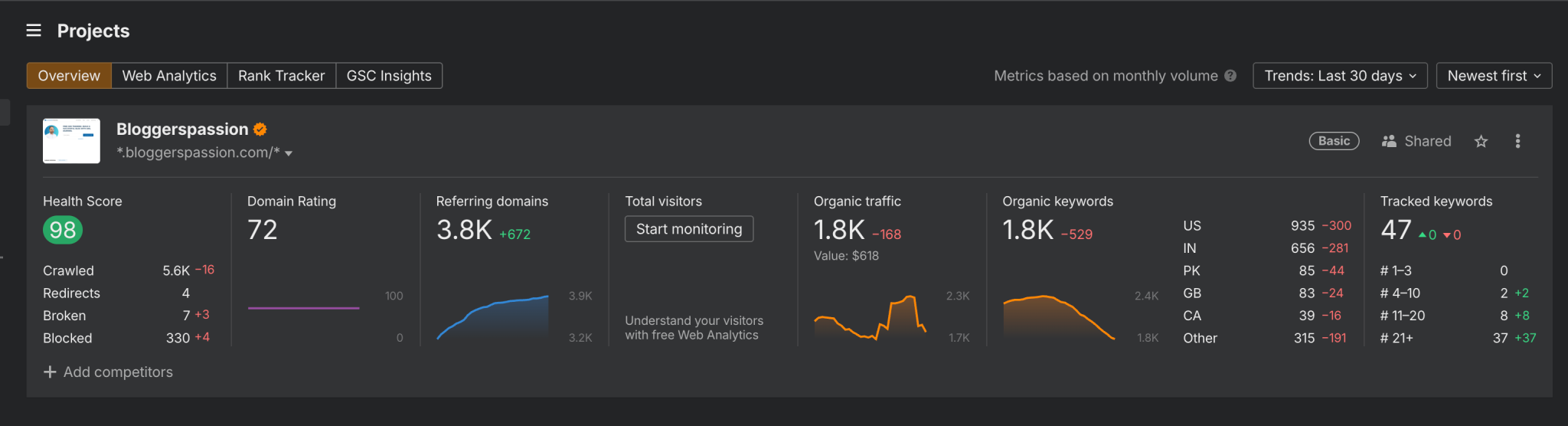
Compared to Semrush, Ahrefs doesn’t have the clutter of social media or PPC tools. It is built for SEOs. The dashboard is straightforward. Site Explorer and Rank Tracker are right there. No distractions. No extra noise.
2. Broken Link Strategy:
Ahrefs was the original “link tool” for a reason. Their database is massive. I often find links here that Semrush simply hasn’t picked up yet.
When I want to look into a competitor’s backlink portfolio, Ahrefs feels very fast and accurate.
I especially love the Broken Backlinks report. It is one of the easiest ways to find quick wins. I look for pages on a competitor’s site that have lots of links, but now return a 404 error.
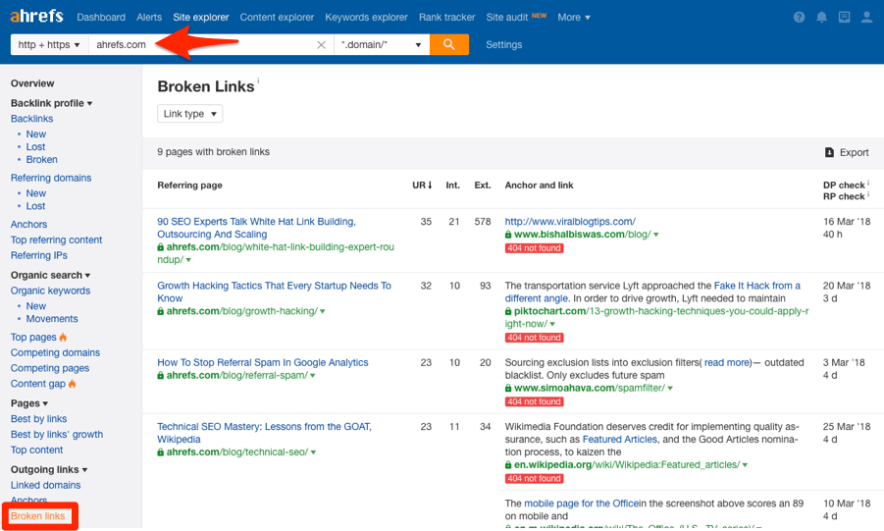
Then, I reach out to those sites and suggest they link to my working page instead. It is a classic move that still works.
I use the Content Explorer tool to identify broken-link building opportunities. I start by searching for a specific topic, then I filter the results to show broken pages.
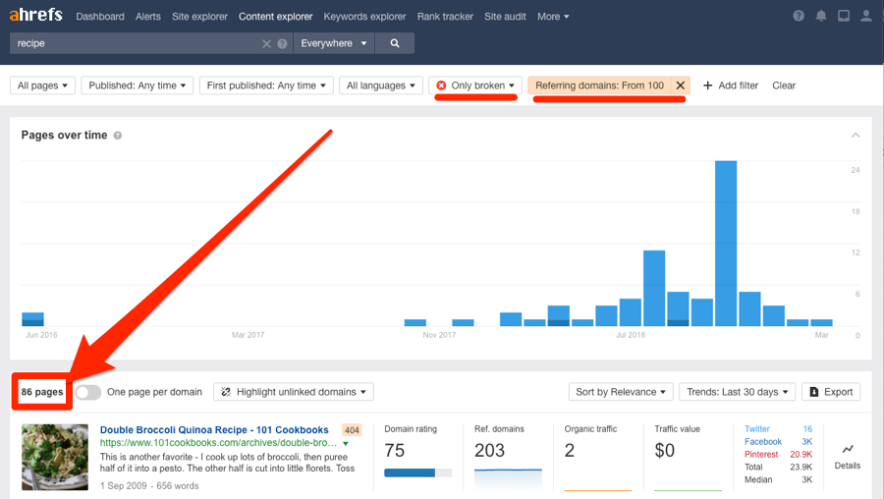
This allows me to see which sites were linking to those pages, giving me a chance to reach out and suggest my content as a replacement. It’s a great way to find potential backlinks!
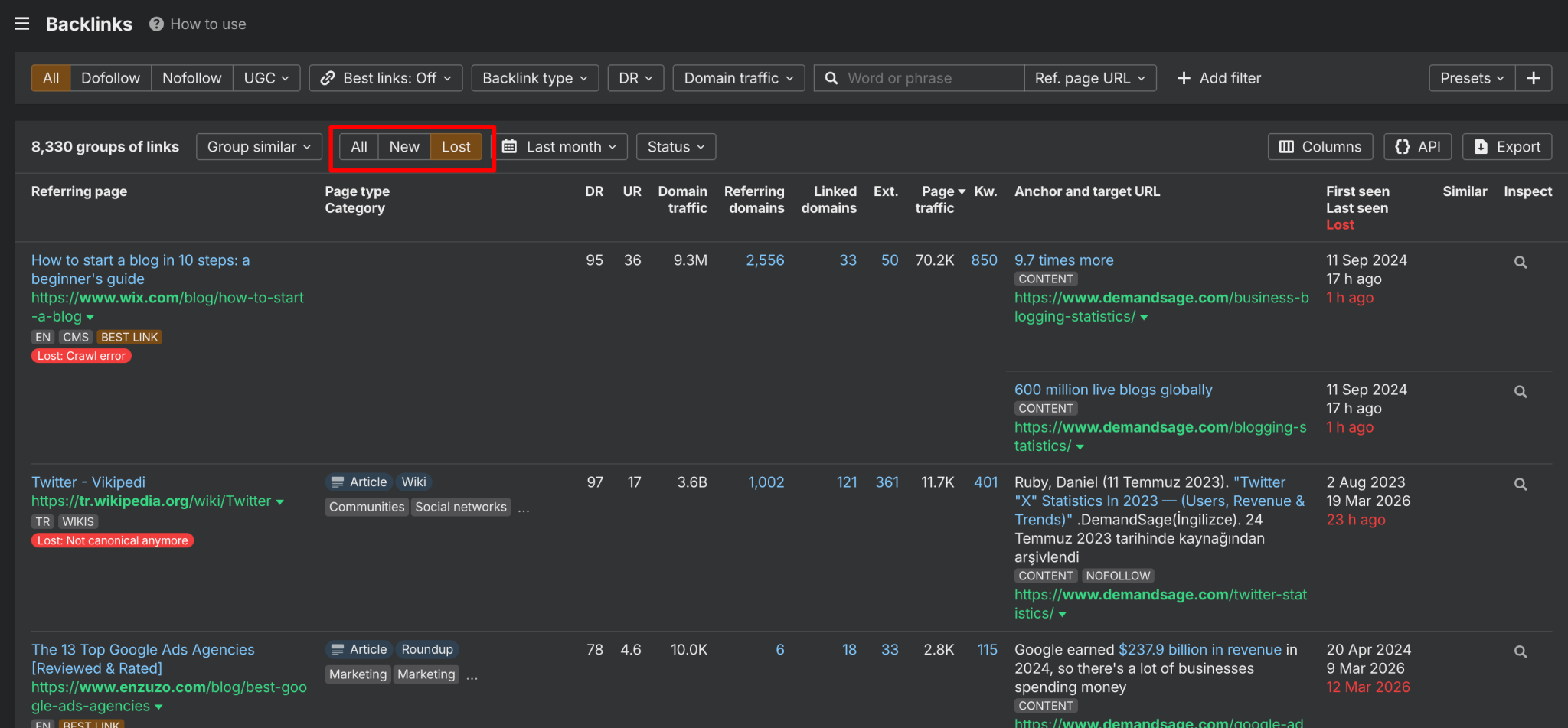
The “best links” filter makes it easy for me to find high-quality, authoritative links for my site without wading through thousands of spammy listings.
3. Tracking Keyword Volatility:
I love the position history tracker. It shows a graph of how the top 10 results have changed over time. If the top spots are constantly swapping, I know that the keyword is volatile. I might choose a more stable target instead. This is a feature I haven’t found in Semrush.
4. Finding Hidden Keyword Gems:
In Ahrefs, Keywords Explorer has a feature called “also rank for”.
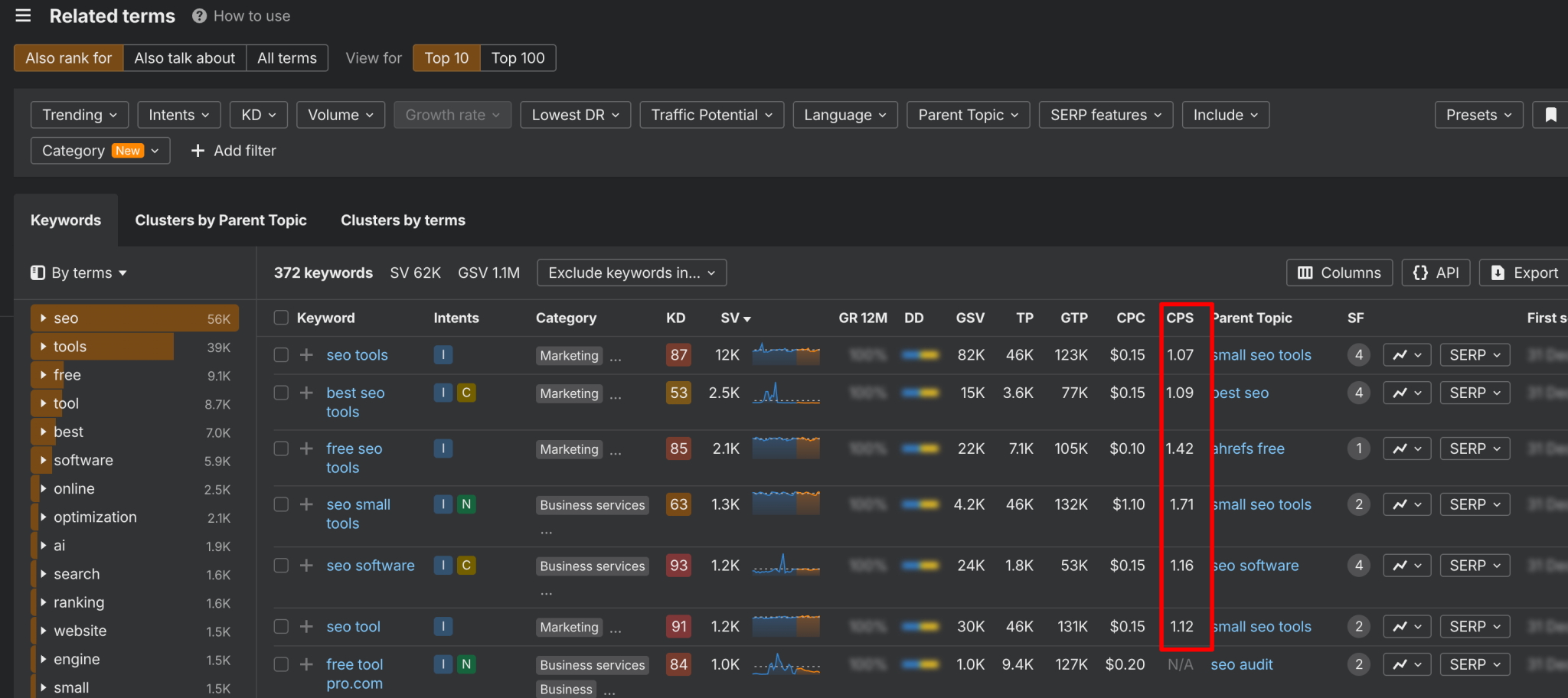
It shows me which secondary keywords a top-ranking page is picking up. Instead of just targeting one term, I can see five or six related topics to cover. It makes my content much more comprehensive for search engines.
Apart from that, Ahrefs helps me find the real traffic potential of a keyword.
Have you ever ranked number one for a keyword but got almost zero traffic? It happens because of Google’s knowledge panels and AI answers.
Ahrefs solves this with its Clicks Per Search (CPS) metric. It tells me how many people actually click on an organic result versus just reading the answer on Google.
If a keyword has 20,000 searches but only 3,000 clicks, I might decide it isn’t worth my time. This data keeps me from wasting weeks on “hollow” keywords.
5. Deep Dives into Top Performing Pages
When I look at a competitor, I want to see their “Top Pages” report first.
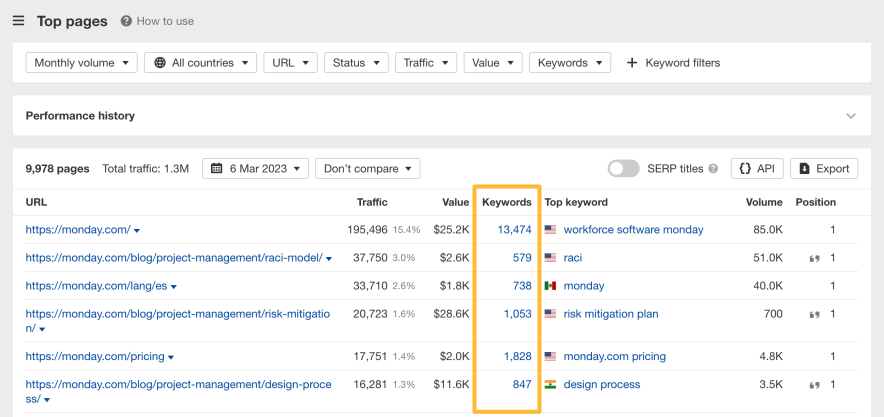
Ahrefs shows exactly which pages bring them the most organic traffic. I can see the “Top Keyword” for each page and how many links they needed to get there. It is the perfect blueprint for my own content strategy.
6. Historical Backlink Views
Ahrefs handles historical information beautifully. I like the way they present the growth of a site’s backlink profile over time.
It allows me to see if a competitor had a sudden spike in links or a slow, steady build. Understanding the history of a site helps me reverse-enginner their success.
7. Advance Outreach System than Semrush
Most people ignore the Linking authors tab. I think that is a mistake. This feature shows me which specific writers are linking to a brand.
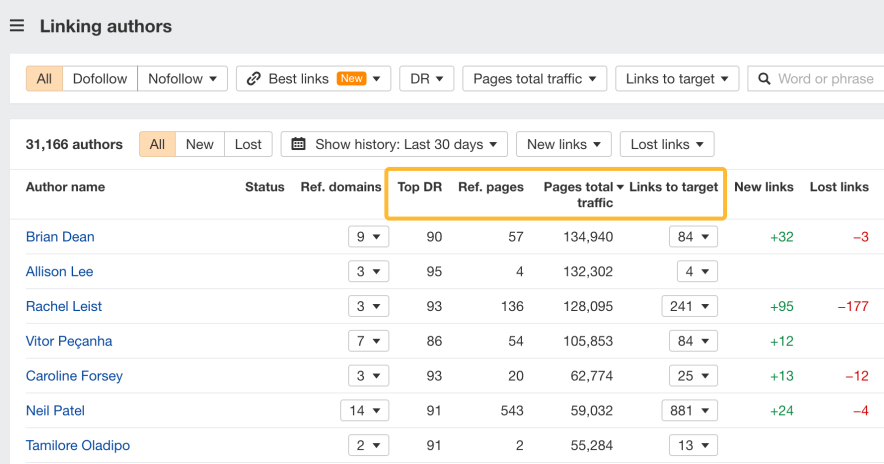
If I see a writer frequently mentioning a competitor in the SEO niche, I know they are interested in my industry. This makes my PR outreach much smarter. I am not just emailing a generic info address. I am looking for a right person who already likes the topics I write about.
8. Big Picture Brand Tracking in AI
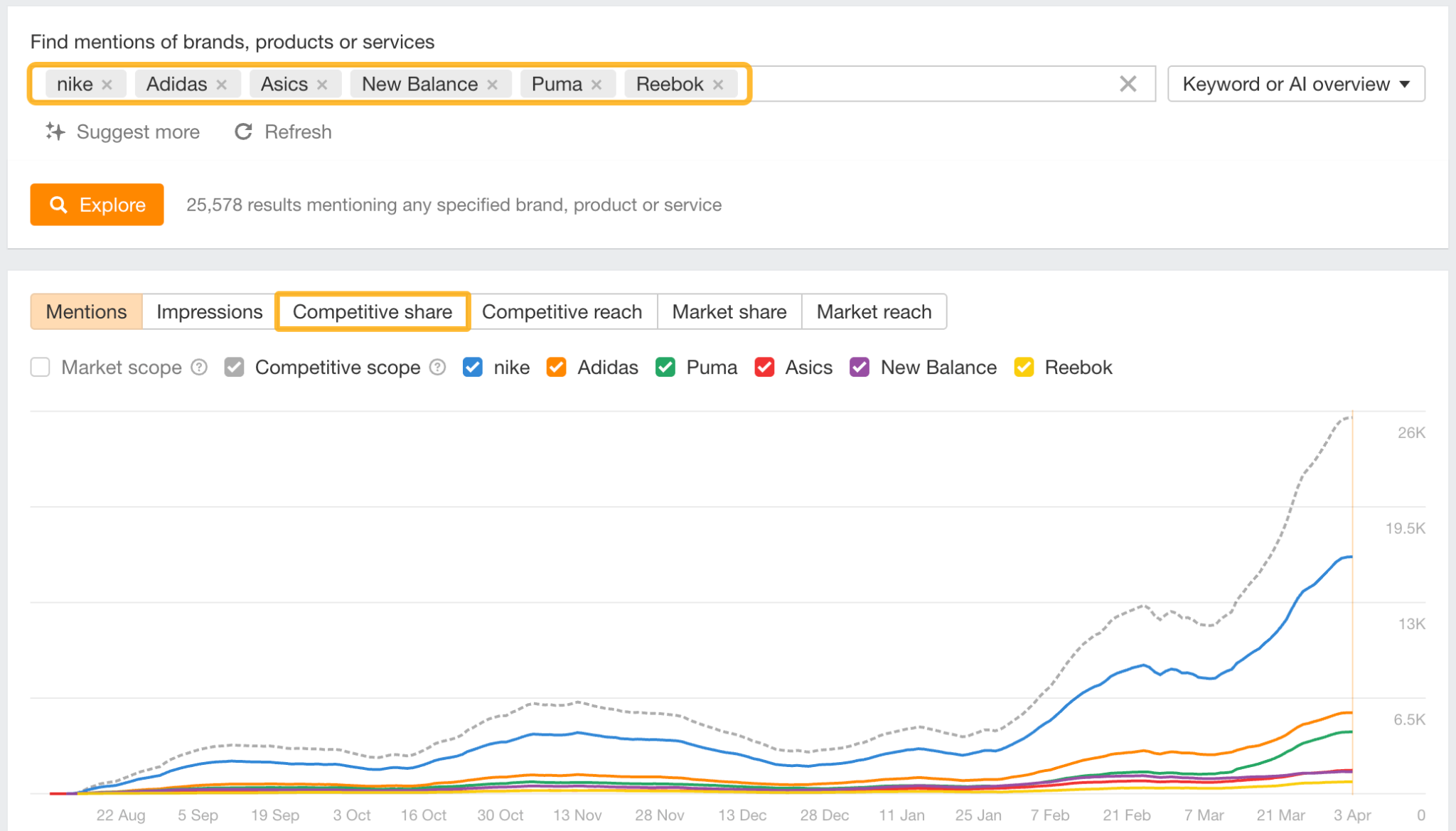
I use Semrush for prompt-level tracking, I use Ahrefs Brand Radar to see the overall trend. It looks at over 150 million prompts to see how often my brand is mentioned across AI tools like ChatGPT and Perplexity.
It is great for benchmarking. I can see my “Share of Voice” compared to other big blogs in my niche. If my competitors are getting cited more often by AI, I know I need to work on my brand authority.
9. Always-On Site Monitoring
I am a busy guy. I don’t always remember to trigger a manual site crawl. Ahrefs has an always-on feature that crawls my site constantly.
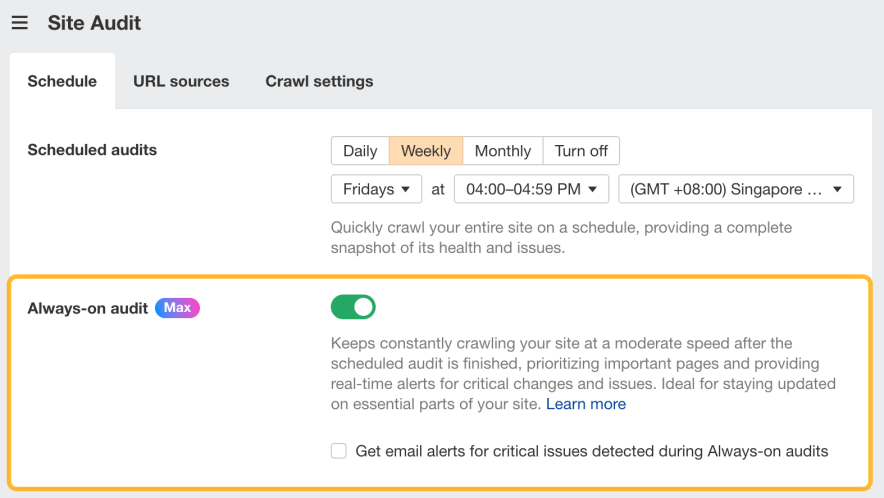
If something goes wrong, like a page accidentally getting “noindexed,” I want to know immediately. Their IndexNow integration also helps me push my new content to search engines faster. In the SEO world, being fast can often be the difference between winning and losing.
Pros and Cons of Choosing Semrush Over Ahrefs & Other SEO Tools
| Pros | Cons |
|---|---|
| There is a real app for your phone. You can check your rankings while you are out of the office. | The dashboard is packed with features. If you are new to SEO, it might feel overwhelming for the first few weeks. It takes time to find your way around. |
| Most tools make you wait, but Semrush refreshes rankings every 24 hours. | Some tools like Local SEO or competitor monitoring require extra monthly fees. |
| It is a complete toolkit. You get SEO, PPC, and social media tools in one place. | It might be “too much” tool. If you only want basic keyword research, you are paying for features you won’t use. |
| Monitoring mentions in ChatGPT and Gemini costs less here | |
| There is a free trial. You can actually use the tool for free before you commit to a plan. | |
| You get access to over 25 billion keywords. |
Pros and Cons of Choosing Ahrefs Over Semrush and Moz
| Pros | Cons |
|---|---|
| It tells you how many people actually click on a search result. This keeps you from chasing “ghost” traffic. | On the basic plan, your rankings only refresh once a week. If you want daily updates, you have to pay a lot more. |
| It often discovers links faster and more accurately than other tools. | The credit system is a headache. You are charged credits for almost every click and filter, which can limit how much research you do. |
| The Content Explorer makes it very easy to find top-performing articles and broken link opportunities. | There is no free trial, so you have to pay upfront just to see if the interface works for you. |
| It is built specifically for people who want to master search and link building. | Newer modules like AI Brand Radar or Project Boost Max require high monthly add-on fees. The total cost can jump significantly if you want the “pro” features. |
Should I Need Both SEO Tools at the Same Time?
This is the big question.
Do you really need to pay for two expensive subscriptions?
For most people starting out, the answer is probably no. One tool is usually enough to get the job done.
If you have the budget of a massive agency, the answer is usually yes.
When You Should Get Both
If you are a professional SEO consultant or run an agency, owning both is almost a requirement.
One thing I have learned over the years is that no tool is 100% perfect. Sometimes Semrush shows a backlink that Ahrefs missed. Other times, Ahrefs shows a keyword ranking that Semrush hasn’t picked up yet.
Having both allows you to “fact-check” your SEO. If both tools say a keyword is easy to rank for, I feel much more confident putting my team to work on it. If they disagree, I know I need to do more manual research.
If you are an running a agency, having both is almost mandatory. Your clients might have their own preferences. Some clients will send you Ahrefs exports, while others want to see their Semrush Site Audit scores. To speak their language, you need to have the same tools they do.
Plus, the Always-On Site Audit from Ahrefs acts as a great backup for the deep Technical SEO checks in Semrush.
When One Tool Is Enough
If you are just starting out or managing a smaller blog, paying for both is probably overkill. You can get 90% of your work done with just one.
Picking one and mastering it is better than paying for two and only using 10% of their features. It keeps your overhead low and your workflow simple.
FAQs:
Is Ahrefs really worth it if there is no free trial?
Ahrefs is a great tool, but they are confident enough in their data that they don’t offer a free trial. You have to pay upfront.
Which tool is better for link building?
It depends on your style. If you want a tool that acts like a project manager, Semrush is great because it gives you a “to-do” list and built-in outreach tools. However, if you want to find “quick win” opportunities, Ahrefs is king.
Can I use Semrush for free?
Yes, and this is a big plus. Semrush offers a permanent free account with limited daily searches. It is a great way to handle basic tasks without a monthly bill. They also offer a 7 or 14-day trial for their paid plans.
Explore More Resources:




Hi Anil,
First of all, great comparison between these two best SEO tools. However, I have a question regarding backlinks: how reliable is the toxicity metric from Semrush? I have 9 backlinks with a toxicity level between 60 and 100, and Semrush recommends me to disavow them. Should I trust them and just do it?
Thank you!