


Link building isn’t just an off-page SEO tactic! It is the backbone of your site’s long-term search engine rankings. In fact, studies analyzing over a million Google search results have repeatedly shown one thing: Backlink remains a powerful ranking factor in SEO.
But here’s the problem!
After years of hands-on experience building high-quality backlinks for BloggersPassion and other blogs, I’ve seen countless bloggers and marketers make some link building mistakes that quietly kill Google rankings, drain budgets, and even trigger Google penalties.
Over the years, I’ve built hundreds of quality backlinks that actually move the needle. I have also learnt what doesn’t work in modern SEO link building. If you think more links mean better rankings, you are wrong!
The truth is:
- Low-quality backlinks can hurt your SEO more than help
- Outdated link-building strategies no longer work
- One wrong move can impact your organic traffic and sales
That’s exactly why I have created this guide!
In this post, you’ll discover the most common link building pitfalls along with experience-backed insights on how to avoid them so that you will improve your search engine rankings, domain authority, and organic traffic.
Before we dive into the most common backlink mistakes, it’s important to take a step back and understand how link building actually works today.
Table of Contents
- What is Link Building (Why It Still Matters in 2026)?
- Why Do Most Link Building Strategies Fail Today?
- My Experience with Link Building (What Actually Works)
- 13 Unethical Link Building Practices to Avoid
- 1. Buying links
- 2. Not Removing Toxic Links
- 3. Building ONLY Dofollow Links
- 4. Utilizing No-index Pages Or Domains
- 5. Using Optimized Anchor Text
- 6. Getting Backlinks From Site-wide Or Footer
- 7. Irrelevant link building
- 8. Building Links Too Quickly
- 9. Not Analysing Competitor Links
- 10. Linking From Pages With Many Outbound Links
- 11. Excessive Reciprocal Linking
- 12. Building Links Only To The Homepage
- 13. Not Creating Link Worthy Content
- Best SEO Tools for Link Opportunities
- How to Maintain a Healthy Backlink Profile?
- Frequently Asked Questions
- Final Thoughts
What is Link Building (Why It Still Matters in 2026)?
Link building is the process of acquiring high-quality backlinks from relevant websites to your site. These backlinks act as trust signals to search engines like Google, which determine your site’s authority and relevance.
But what has changed?
Modern SEO is no longer about building more links! It’s about earning relevant, authoritative, and natural backlinks. A single high-quality backlink from a trusted site can outperform dozens of low-quality links.
Why Do Most Link Building Strategies Fail Today?
The biggest reason most bloggers fail with link building isn’t lack of effort! it’s using outdated or ineffective strategies like
- Chase quantity over quality
- Buy spammy backlinks
- Ignore relevance and user intent
- Over-optimize anchor texts
These mistakes don’t just fail to improve rankings; they will hurt your SEO performance.
The reality? Link building still works incredibly well, but only when done right.
My Experience with Link Building (What Actually Works)
I’ve tested every backlink method from guest posting and blogger outreach to broken link building and content-driven link acquisition.
Some strategies helped generate massive organic traffic and higher rankings. Others? A complete waste of time and harmful.
In this guide, I’m not sharing theory. You’ll discover proven insights based on real-world SEO experience so that you can focus only on what actually works today.
13 Unethical Link Building Practices to Avoid
Let’s now look at the most common link building errors you should avoid if you want better rankings, traffic, and long-term SEO success.
1. Buying links
Buying backlinks looks like a quick SEO win, but it’s one of the most dangerous link building mistakes. Search engines like Google can easily detect unnatural, paid-link patterns, especially on low-quality sites, directories, or PBNs.
If you’re buying links just to manipulate rankings, your site will face ranking drops and penalties.
Fix:
- Avoid cheap bulk backlinks and link packages
- Don’t use PBNs or spammy directories
- Focus on high-quality guest posting and outreach
- Prioritize relevant authoritative websites
- Treat it as earning placements, not buying links
Key takeaway: Buying links blindly is risky! If you don’t do it the right way, it can hurt your SEO. If you’re still considering buying links without getting penalised by Google, here’s a better way to buy links.
2. Not Removing Toxic Links
Ignoring toxic backlinks is a serious mistake that can quietly damage your organic rankings. Updates like Google Penguin Update were specifically designed to identify and penalize websites with unnatural, spammy, or irrelevant links.
If your site has a poor backlink profile filled with low-quality links, it signals distrust to Google and your rankings can drop as a result.
Fix:
- Regularly audit your backlinks using tools like Semrush
- Identify spammy, irrelevant, or low-quality links
- Reach out to site owners to remove harmful links (when possible)
- Use Google’s Disavow Tool to ignore toxic backlinks you can’t remove
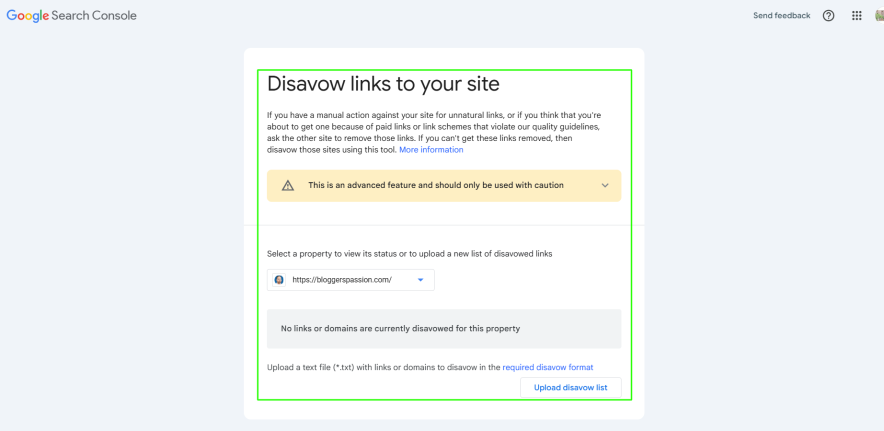
Key takeaway: Better rankings don’t just come from building links; they come from removing bad ones. Keeping your backlink profile clean is essential for long-term SEO success.
3. Building ONLY Dofollow Links
Focusing only on getting dofollow backlinks is a common yet risky link-building mistake. A natural backlink profile always includes a mix of both dofollow and nofollow links.
If all your links are dofollow, it sends an unnatural signal to search engines, which can raise red flags and impact your rankings.
While nofollow links don’t pass direct “link juice,” they still play a crucial role. They help diversify your link profile, drive referral traffic, and build credibility, especially when they come from relevant, high-quality sites.
Fix:
- Approach high-authority sites that allow nofollow links through guest blogging.
- Gain links through comments, forums, social platforms, and directories
- Focus on link diversity over link types
Key takeaway: Don’t chase only dofollow links! A balanced backlink profile is what keeps your SEO safe and effective.
4. Utilizing No-index Pages Or Domains
Getting backlinks from pages or websites that aren’t indexed by Google is a waste of time and risky as well.
If a page isn’t indexed, it essentially has no SEO value because Google doesn’t recognize it in search results. Consistently building links from such sources can also signal a low-quality or manipulated backlink profile.
Many bloggers make this mistake unknowingly, especially when using automated link building or low-quality services.
Fix:
- Always check if a page is indexed before getting a backlink
- Avoid links from deindexed or low-quality websites
- Disavow links from non-indexed pages
- Focus only on indexed, relevant, and trustworthy sources
Key takeaway: If Google doesn’t index a page, its links won’t help your SEO, so avoid them.
5. Using Optimized Anchor Text
Using keyword-stuffed or overly optimized anchor text is a common link-building mistake, even in 2026. While it might seem like a shortcut to higher rankings, Google treats this as a manipulative SEO tactic.
Overusing exact-match anchor texts across multiple backlinks can trigger spam flags or even penalties.
Many bloggers make the mistake of repeating the same keyword-rich anchor text for every link. Instead of boosting rankings, it can harm your site’s SEO and reduce the trust Google places in your backlink profile.
Fix:
- Avoid using the same anchor text repeatedly
- Mix branded, generic, and partial-match anchor texts
- Focus on creating links that look contextually relevant
- Prioritize user experience and relevance over keyword optimization
Key Takeaway: Use diverse anchor text combinations and keep your links natural to stay safe and improve SEO performance.
A few years ago, building site-wide or footer links was considered an easy way to boost SEO. Many bloggers, including myself in the early days, relied on this tactic to quickly push high-value pages.
But times have changed. Google’s algorithms are now sophisticated enough to detect manipulative site-wide link patterns. Links from footers, sidebars, or repeated across multiple pages often look unnatural and can trigger penalties.
Fix:
- Avoid footer sidebar backlinks for SEO purposes
- Focus on contextual, in-content links within relevant articles
- Prioritize authoritative, high-quality sites for natural link placements
Key takeaway: SEO today rewards natural, editorial backlinks! Shortcuts like site-wide or footer links will not help you in any way.
7. Irrelevant link building
Building backlinks to websites that are unrelated to your niche is a common SEO mistake. For example, if your blog focuses on cloud computing, linking to a portal about beauty remedies provides little SEO value and can harm your site’s authority.
If you chase high-authority sites without considering topic relevance, which is totally wrong, and also your site will be hit by Google core & spam updates.
Fix:
- Target niche-relevant websites only.
- Use contextual guest posts with relevant content.
- Focus on high-quality links over quantity.
- Include semantic keywords in your content
Key takeaway: Always prioritize relevance and context! Relevant, high-quality links boost authority, trust, and rankings, while irrelevant links add little value.
8. Building Links Too Quickly
There is no strict guideline from Google about backlink building, but acquiring too many links too quickly can be risky. Building large volumes of backlinks in a short period, especially from low-quality or manipulative sources will trigger algorithmic penalties and harm your site’s rankings.
Securing backlinks from high-authority sites is more valuable than accumulating dozens of links from low-authority domains.
Fix:
- Build backlinks gradually and consistently over time.
- Prioritize high-authority, relevant websites.
- Focus on contextual, editorial links in quality content.
Key takeaway: Slow, consistent, and high-quality link building establishes trust, topical authority, and sustainable SEO growth.
9. Not Analysing Competitor Links
Ignoring your competitors’ backlink analysis is a critical mistake in link building. They reveal valuable insights into what works in your niche and let you know about backlink opportunities. Without analyzing them, you miss proven pathways to improve your own SEO performance.
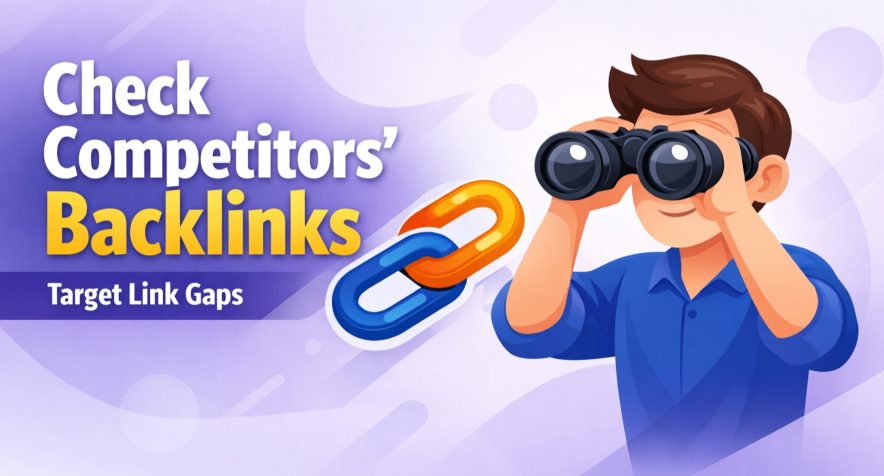
By studying where your competitors earn links, you can identify link gaps, discover relevant websites, and replicate strategies to boost your visibility in search results.
Fix:
- Analyze competitor backlinks using SEO tools to find opportunities.
- Identify high-authority referring domains in your niche.
- Replicate and improve top-performing content strategies.
- Target link gaps to strengthen your backlink profile.
Key takeaway: Competitor backlink analysis helps you uncover proven link-building opportunities, improve your link profile, and gain a competitive edge in organic search rankings.
10. Linking From Pages With Many Outbound Links
Acquiring backlinks from pages that contain a large number of outbound links can significantly reduce their SEO value. When a page links out excessively, each link carries less link equity, making it less effective for improving domain authority or search rankings.
Even high-quality content on such pages may not provide meaningful SEO benefit if the link is diluted among many others.
Fix:
- Target pages with fewer outbound links to preserve link value.
- Focus on contextual in-content links rather than link-heavy areas.
- Ensure links appear naturally within relevant, high-quality content.
Key takeaway: Backlinks from pages overloaded with outbound links provide limited SEO benefit. For maximum impact, focus on authoritative pages where your link carries meaningful value and enhances topical authority.
11. Excessive Reciprocal Linking
Reciprocal linking is exchanging links between websites. It was once a popular tactic to quickly build backlinks and foster collaborations. However, excessive link exchanges are now considered a manipulative link-building practice by Google and offer minimal SEO value.
Overusing this strategy can weaken your link profile and negatively impact your search rankings.
Fix:
- Avoid excessive link exchanges with unrelated websites.
- Exchange links only with relevant, high-authority blogs in your niche.
- Focus on natural, editorial backlinks instead of mutual agreements.
- Maintain a balanced and diverse backlink profile for better SEO signals.
Key takeaway: Reciprocal linking should be used sparingly and strategically. Prioritize relevance, authority, and natural link acquisition to build a strong, trustworthy SEO foundation.
12. Building Links Only To The Homepage
Building backlinks only for your homepage is a common mistake, especially among beginner bloggers. While homepage links contribute to overall domain authority, an unnatural concentration of links to a single page can appear manipulative to search engines. This approach also limits the ranking potential of your internal pages, which are essential for driving targeted organic traffic.
A well-structured link-building strategy should distribute backlinks across key pages, including blog posts, landing pages, and resource content. This strengthens your site’s overall topical authority.
Fix:
- Build backlinks to internal pages as well as the homepage.
- Focus on deep linking to high-value blog posts and resources.
- Use relevant anchor text to improve keyword relevance.
- Maintain a natural link distribution across your website.
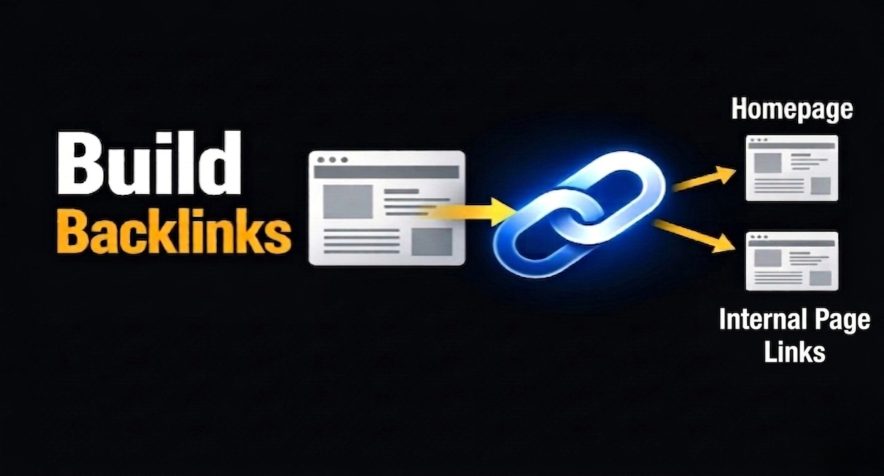
Key takeaway: A balanced backlink profile that includes both homepage and internal links helps improve search rankings, topical relevance, and overall SEO performance.
13. Not Creating Link Worthy Content
One of the primary reasons many websites fail to earn backlinks is the lack of link-worthy content. If your content does not provide unique value, insights, or actionable information, it is unlikely to attract natural backlinks or perform well in search results.
Creating high-quality, 10x content will naturally attract social shares, organic backlinks, and user engagement. Content formats such as tend to perform exceptionally well in earning links.
Fix:
- Create high-quality, value-driven content that solves real user problems.
- Write in-depth guides, original research, case studies, and data-driven articles
- Use strategies like the skyscraper technique, outreach, and content promotion.
Key takeaway: Strong SEO starts with exceptional content. When you consistently publish valuable, authoritative content, backlinks are earned naturally, which in turn will strengthen your search visibility.
Best SEO Tools for Link Opportunities
Ahrefs – Backlink analysis, competitor research, link gap insights.
Semrush – Backlink audit, competitor tracking.
Moz – Domain authority, link analysis, spam score.
Ubersuggest – backlink, keyword insights.
Google Search Console – Track existing backlinks and performance.
You may also use these tools to find resource page link-building opportunities, Unlinked brand mentions, and broken link-building opportunities.
How to Maintain a Healthy Backlink Profile?
A healthy backlink profile requires consistent monitoring! It should align with EEAT principles to ensure long-term SEO success.
Best Practices:
- Audit backlinks regularly to identify toxic links.
- Disavow harmful links to prevent negative impact
- Focus on high-quality backlinks instead of low-value links.
- Maintain a natural distribution of anchor text to avoid over-optimization.
- Build links consistently to ensure a steady growth pattern.
- Diversify your backlink sources
- Earn editorial backlinks
Frequently Asked Questions
Yes, acquiring backlinks too fast, especially from low-quality sources, will create unnatural link patterns and lead your site to Google penalties. A consistent and natural link-building strategy is recommended for long-term growth.
Excessive reciprocal linking is considered a manipulative SEO practice. However, limited link exchanges with relevant and authoritative sites can be safe if done naturally.
Yes, too many backlinks from low-authority or spammy sites can weaken your backlink profile. It’s better to focus on high-quality, niche-relevant backlinks that improve your trust and authority.
Follow white-hat SEO practices such as creating link-worthy content, earning editorial backlinks, maintaining natural anchor text, and avoiding spammy or manipulative link-building tactics.
Final Thoughts
Effective link building is not just about gaining backlinks! it’s about building a relevant, high-quality, and natural link profile. You must avoid the common mistakes that I have listed here!
Focus on ethical strategies, link-worthy content, and topical relevance to achieve sustainable SEO growth aligned with EEAT principles. Are you making any of these link-building mistakes? Share your thoughts!



![Toxic Backlinks: How to Find, Remove, and Disavow Them in 2026 [A Beginner's Guide]](https://bloggerspassion.com/wp-content/uploads/2019/02/the-effect-of-bad-backlinks-and-how-to-remove-them.jpg)

Amazing points. I also want to add one more point.
Like, getting too many backlinks from a same website can also be harmful.
I am not sure about it but have seen a lot of people telling not to follow such practice but at the same time aggregate website creates too many backlinks for a website.
What is your thought on such backlink?
Backlinks are incoming links to your website. It’s simple really…you vote for a candidate that you fully support or find most interesting. Similarly, you link to websites (or anything for that matter) that you think gives great value. As an SEO specialist, backlinks are one of the things you strive for in order to outrank your competitors.
(Nofollow links don’t give out “link juice” or “link love” which is used by Google for their PageRank system.)
Perfect – just the kind of thing I was looking for! I’m an SEO beginner and whenever I search for linkbuilding guides, I’m overwhelmed with giant walls of text and jargon. This breaks it down perfectly, without skimping on detail – thank you!
Thanks and glad you found it useful. Just make sure to read few more articles from this section https://bloggerspassion.com/seo-tutorial-for-beginners/ if you want to learn SEO as a beginner.
This is the best article i’ve read about link building strategy. Till day i’ve made most of the mistakes that you’ve mentioned in the article. I must stop now doing some bad practices.
Thanks Anil for bring such informative article to new bloggers like us.
Hi Anil Agarwal,
good to see your write-up here… I really liked your article about most important mistakes that needs to avoid shared by you.
I am very thankful to you because I was doing the mistake number #5 (using the same anchor text while link building on different blogs). I am sure this article will be great help for new comers, that will help to avoid that mistakes.
Thank you for sharing this wonderful post.
Anil Ji, Wonderful Article, Can we have some other tool than smerush to know the toxic backlink
Yea its right. I also done same mistakes. I m trying to get much more backlinks in short time also using useless anchor texts which is bad impacts on my seo, but now reading this tutorial i m following your tips bro. Thanks for sharing.
Hi Anil,
This is really impactful content, it can help me to grow and know what’s the real mistake I just doing on SEO. I just need more can you update more and notify me.