


Black hat techniques involve using unethical shortcuts to manipulate search engine rankings. These include keyword stuffing, duplicate content, sneaky redirects, cloaking, and other manipulative tactics.
These techniques may bring quick results, but they violate Google’s guidelines and can lead to traffic drops, penalties, or even the removal of your website from search results.
In this guide, we’ll break down the SEVEN of the most common black hat techniques that can harm your SEO rankings, why they no longer work, and what to focus on instead if you want rankings that actually last.
What is Black Hat SEO?
Black-hat SEO refers to manipulative SEO practices that violate search engine guidelines to gain quick rankings. These methods try to “game the system” rather than help users.
It’s an unethical method used to artificially boost a website’s rankings, authority, and traffic in search results. These violate the search engine’s guidelines and could result in the site being banned.
In short, black hat optimization is risky and can destroy your website’s traffic overnight.
If you want steady, long-term growth, it’s better to avoid these tactics and focus on white hat SEO.

7 Risky Black Hat Techniques That Can Lead to Google Penalties

1. Low-Quality Content Doesn’t Rank Anymore
There was a time when you could rank just by adding more words to a page. Not anymore.
Today, Google cares mostly about content quality. If your pages are outdated or not helpful, they simply won’t rank, no matter how much SEO you do.
In fact, low-quality pages can drag down your entire site’s rankings, not just one post.
So, cleaning up your entire site by removing thin content is the BEST way to improve your site’s SEO in 2026.
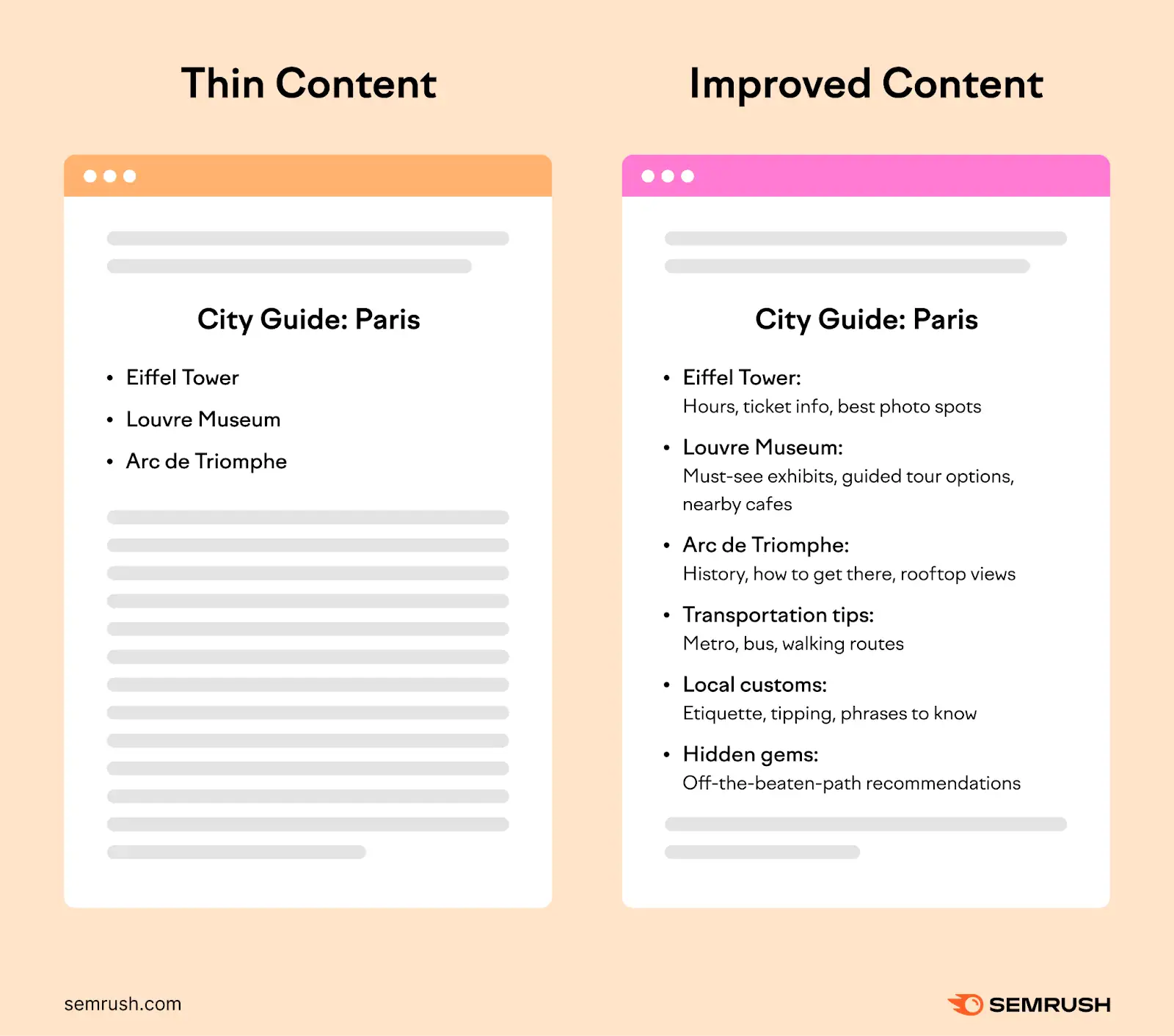
What does low-quality (thin) content look like?
- Posts written by random people who don’t have any EXPERTISE or EXPERIENCE about the topic
- Very short posts with ZERO value
- Outdated or copied content
- Pages with no traffic or rankings
- No backlinks or social shares
Also, content generated in bulk won’t rank either. Most people now use AI tools to generate hundreds (if not thousands) of blog posts on a single topic to rank, without adding value for users.
Clearly, it violates Google search guidelines, which can lead to penalties.
Google now uses EEAT signals to rank pages that offer;
- real-world experience
- expert knowledge
- credible sources and
- trustworthy information
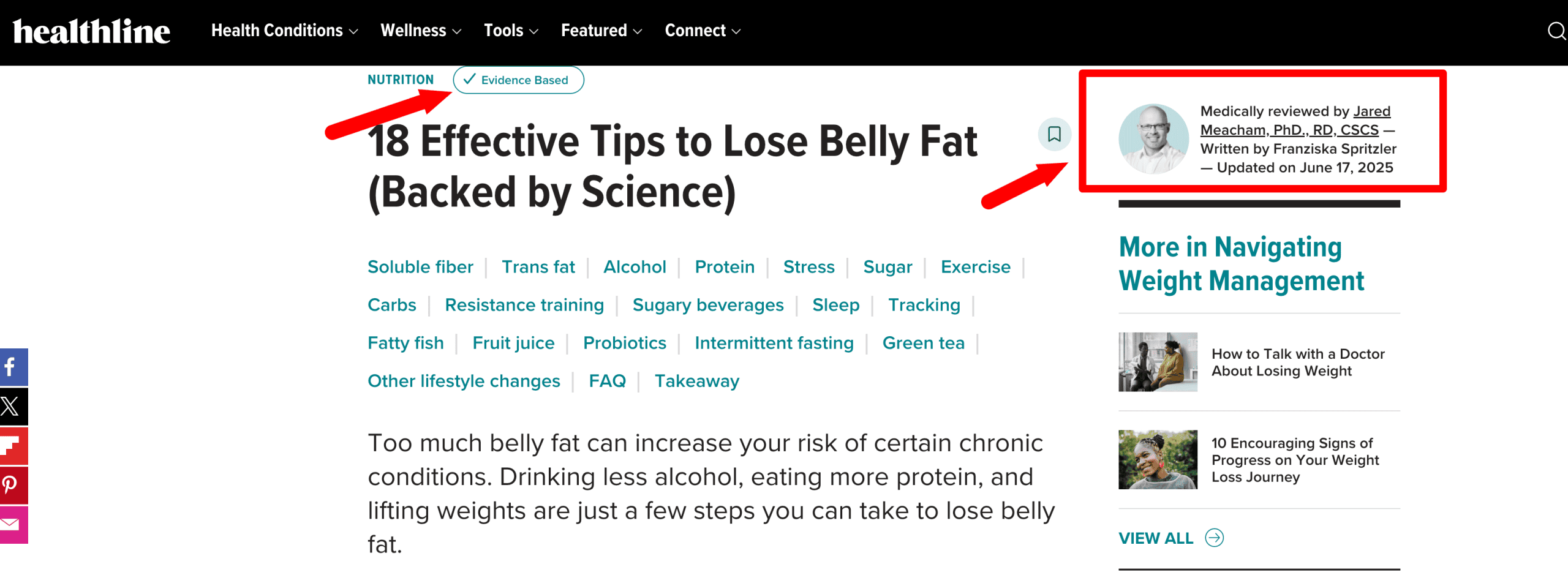
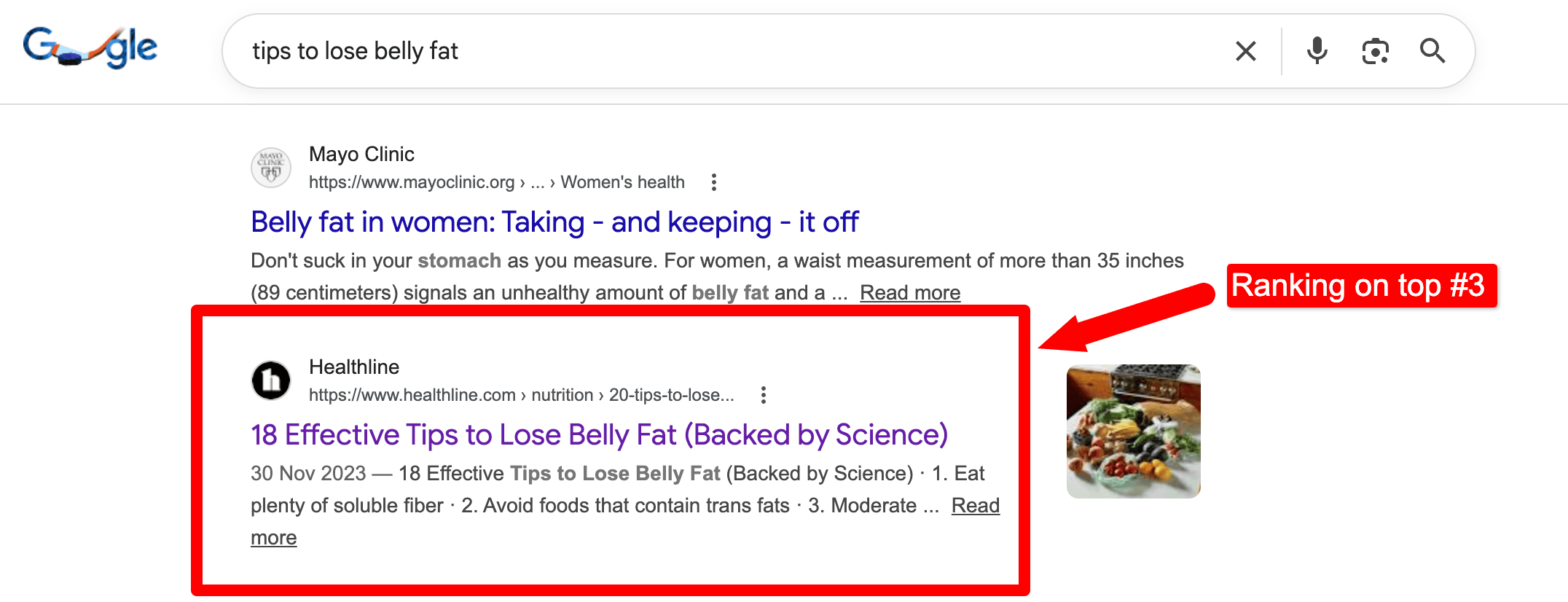
For example, an article on “tips to lose belly fat” on the Healthline website demonstrates strong EEAT by labeling the content as evidence-based, citing scientific research, and listing the author and a medically reviewed expert with credentials.
This kind of expert-based article obviously will rank higher than a generic, AI-written post with no proof or authority.
Have a look at its rankings on Google;
Here’s an excellent illustration showing the difference between thin and high-quality content.
What Should You Do With Thin Pages?
After reviewing each page on your website, make sure to:
- Delete pages with no value or traffic (Use Google search console for traffic data; if it doesn’t bring even 100 visits in the last 12 to 16 months, it’s likely not helping your site)
- Merge similar posts into one strong article
- Rewrite and improve weak content
- Add more depth, examples, and useful info
- Update outdated posts
Also, focus on EEAT.
- Show REAL author experience for every single post you publish (wherever possible, share personal results, case studies, screenshots, examples)
- Add author name and bio to posts
- Mention the author’s expertise or background in the topic
- Keep content updated regularly
- Add FAQs that answer real user questions
2. Keyword Stuffing Hurts Your Rankings
We learned this the hard way.
We created great content, but tried to “over-optimize” every post by forcing too many keywords into it.
Every paragraph had the same phrases repeated again and again. Instead of ranking higher, we actually lost a lot of Google traffic, especially since last year.
Avoid stuffing your content with exact-match keywords. Google will penalize your rankings!
Today, Google rewards helpful content that doesn’t focus solely on keywords.
What does keyword stuffing look like?
- Repeating the same keyword unnaturally
- Adding keywords in almost every paragraph
- Forcing keywords where they don’t fit naturally
- Writing for search engines instead of readers
Here’s an example of keyword stuffing;
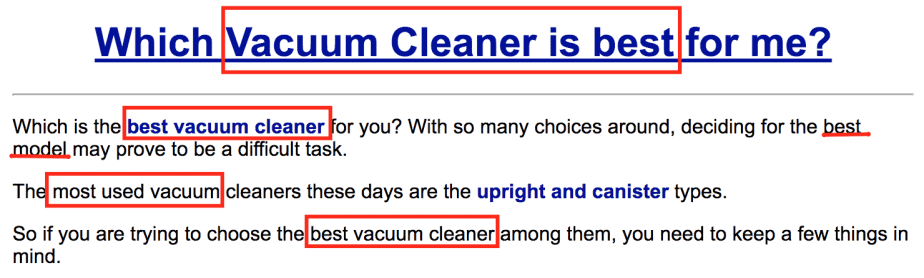
Feels awkward, right? No one wants to read that, and Google hates it too.
What Should You Do Instead?
- Stop pleasing bots, please your readers with your content
- Focus on solving the reader’s problem
- Use your primary and secondary keywords a few times where it fits naturally (you don’t have to use a ton of similar keywords if they don’t fit naturally within your content)
- Add related words and long-tail phrases that match the search intent
- Use tools like RankMath for content optimization (don’t overdo it)
3. Reciprocal Link Exchanges Are Easy to Detect Now
Avoid link exchanges.
Link exchanges are bad because they create fake links rather than real trust signals. Years ago, “you link me, I link you” worked. Today, Google can easily detect these patterns.
When Google detects them, it may ignore the links or lower your rankings, which hurts your SEO.
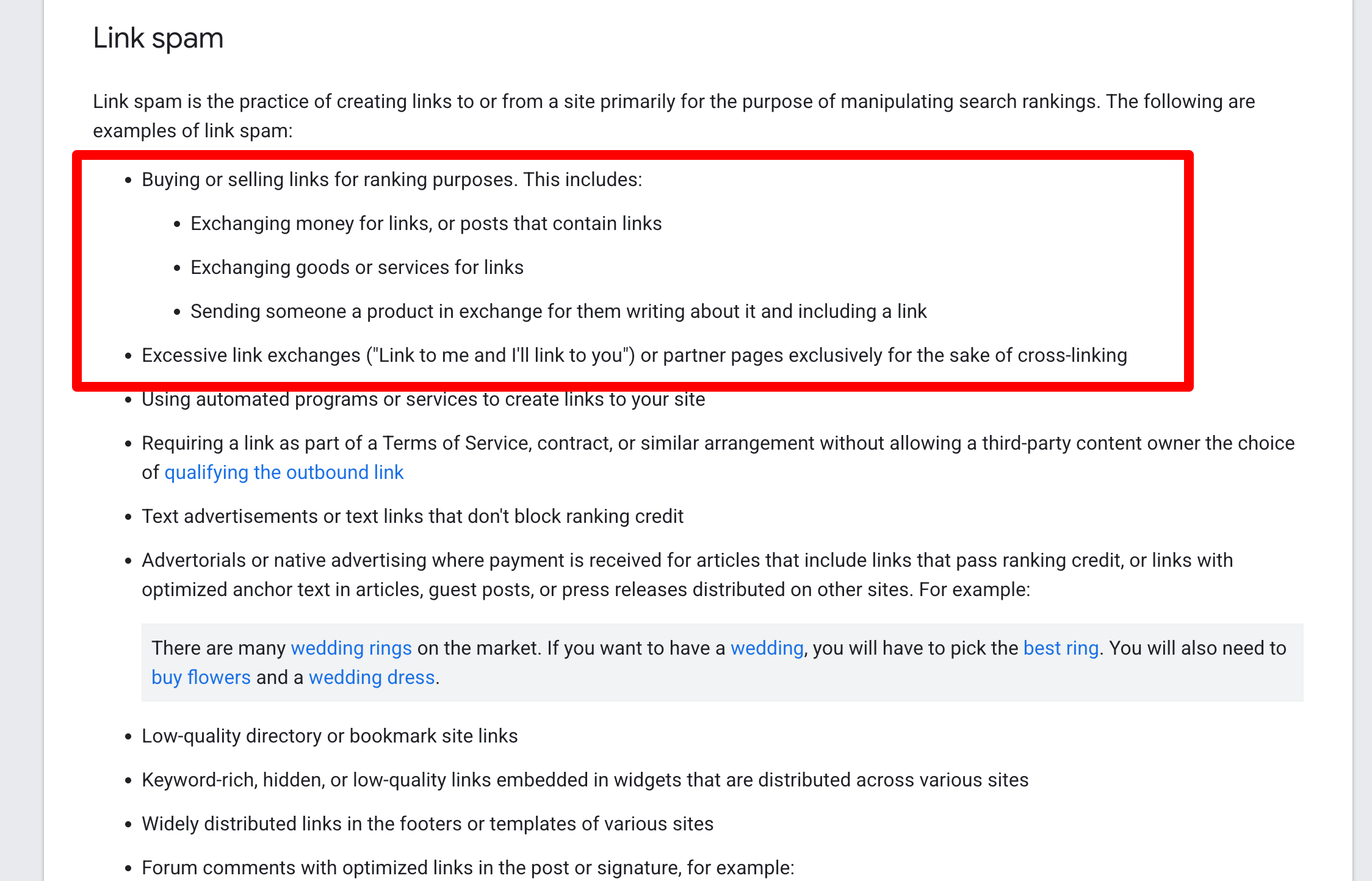
Common link exchange tricks to avoid in 2026;
- “Link to me, and I’ll link to you” kind of tactics
- Joining link exchange groups or forums
- Adding random blogroll links
- Swapping links with unrelated or low-quality sites
- Bulk cross-linking between multiple websites
What Should You Do Instead?
- Write guest posts on authority sites
- Be active on social networking sites and bookmarking sites to build links
- Create data-driven content that people want to link to
4. Doorway Pages Get Deindexed
Doorway pages are low-quality pages created only to rank for specific keywords while sending visitors to a different page. It’s clearly an unethical SEO tactic that misleads search engines and users.
They usually target a single keyword, drive visitors from Google, and then quickly redirect them to another page.
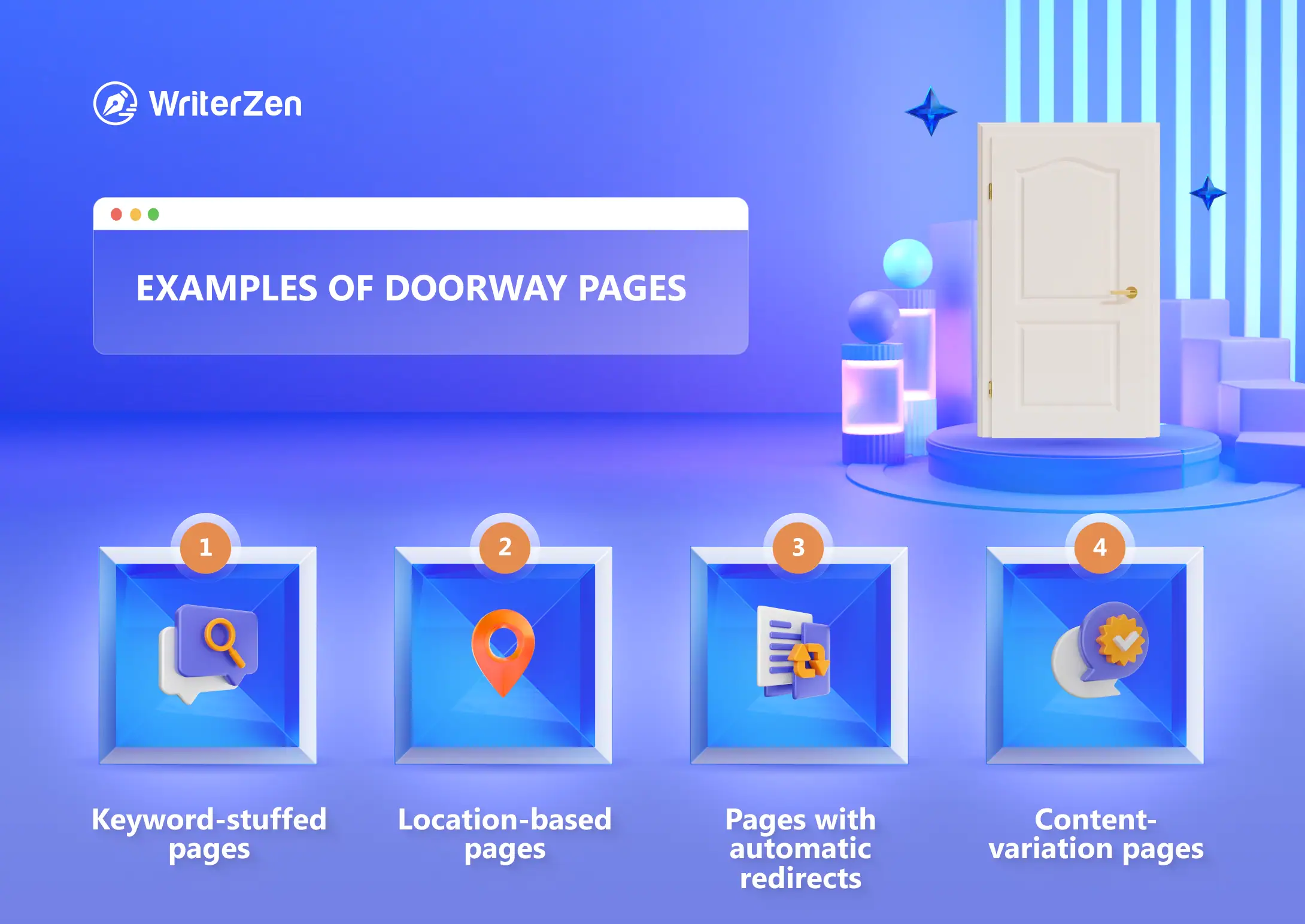
Google doesn’t like this at all. In fact, doorway pages can be deindexed or penalized, which means they may disappear from search results completely.
What doorway pages usually look like
- Many pages targeting similar keywords (same content, different cities or terms)
- Thin or copied content with no real value
- Pages that instantly redirect users somewhere else
- No useful information, just links or ads
What Should You Do Instead?
- Delete useless or duplicate pages
- Focus on optimizing your content for search intent
- Merge similar pages into one detailed page
- Write content that answers real questions
- Focus on quality, not quantity
5. Stop Spamming Blog Comments
Blog commenting is great for building real relationships with other bloggers and readers. But spammy comments can hurt your brand and your rankings.
Low-quality or fake comments often contain irrelevant or keyword-stuffed links. These links send bad signals to Google and can damage your SEO.
So don’t post spam and don’t allow it on your site either.
How to stop blog comment spamming?
- Use commenting systems like Disqus, as they provide better moderation and automatic spam filtering, making it harder for bots to post spam.
- Use Akismet spam filtering in WordPress to automatically block most spam comments. It catches almost every spam comment before it reaches your site.
- Approve comments before they go live. Delete anything that looks fake, unrelated, or full of links.
- Reject short, generic comments like “Nice post” that include links. Accept only those comments that add value to the discussion.
What Should You Do Instead?
Here’s the smarter (and safer) way to handle blog comments in 2026;
- Write insightful comments that actually add value to the content
- Answer questions that help readers with useful replies
- Encourage REAL discussions, not link drops
- Use your real name and brand, not keyword-stuffed usernames
6. Don’t Use Hidden Text or Links
Hidden text or links are content that users can’t see, but search engines can. Some website owners use this black-hat tactic to add extra keywords and try to rank higher.
This might have worked years ago, but today, Google easily detects it and can lead to penalties or ranking drops.
Common hidden text tricks to avoid:
- Changing text color to match the background (white text on white background)
- Using CSS to position text off the visible screen area
- Adding tiny 0px text stuffed with keywords
- Placing hidden links that users can’t click, but search engines can crawl
- Stuffing keywords behind images, animations, or effects
Tip: You can use tools like Screaming Frog to crawl your site and identify hidden text.
What Should You Do Instead?
- Focus on creating helpful content for users
- Focus on answering users’ queries, not adding extra keywords
- Keep your design simple and readable
7. Don’t Buy Links to Manipulate Rankings
Backlinks help your website rank higher. But buying links just to boost rankings is a bad idea and can lead to Google penalties.
Many platforms, such as Fiverr, sell “paid links” at low prices, and most website owners still buy them for quick SEO results. It may work for a short time, but Google can now easily detect paid or unnatural links.

Common link tricks to avoid
- Buying backlinks from link farms or spammy websites
- Paying bloggers only for dofollow links
- Joining private link networks (PBNs) to build links in bulk
If you don’t want to get into trouble with Google, avoid paid links. If you still buy or sell any links, then make sure that the links contain the rel=”nofollow” attribute. It tells the search engine that you are using it for advertising purposes only, not for improving page rankings.
What Should You Do Instead?
- Get links naturally with high-quality content
- Build real relationships with other bloggers in your niche
- Write guest posts on relevant websites
- Use rel=”nofollow” or rel=”sponsored” for any paid or ad links
FAQs Around Black-Hat SEO Tactics 2026
Here are some of the frequently asked questions about black hat techniques.
Black hat optimization means using tricks to manipulate Google to rank faster. These methods break search engine rules and can lead to penalties or even a complete ban from search results.
They may bring quick traffic at first, but your site will eventually lose all its traffic and keyword rankings.
White hat SEO follows Google’s guidelines. It focuses on ethical methods like creating helpful content, improving site speed, and building quality backlinks to grow traffic.
Avoid low-quality or duplicate content, keyword stuffing, and spammy links.
Hidden text, automated backlinks, and copied content are common black-hat SEO practices.
Final Thoughts
SEO takes time and patience. If you want a steady flow of search traffic, focus on the basics and avoid shortcuts.
Search engines are smarter in 2026, and risky tactics can quickly lead to ranking drops, penalties, or even deindexing. Instead, invest your time in creating quality content, improving the user experience, and building relevant backlinks.
What do you think about this post? Did we miss any black hat SEO tactics? Share your thoughts in the comments below.







All of these techniques (besides maybe keyword stuffing) worked really well at one point. They're obviously manipulative, so Google updated specifically to combat these tactics. To keep your rankings secure into the future, look at what is working right now that probably shouldn't. What shortcut are a lot of sites taking now to rank?
Guest blogging purely for links was the latest technique to take a hit, and I'm sure another tactic will get shut down soon.