


Are you looking for the best free image sharing sites for 2026? Your search ends here.
Here’s what actually matters for bloggers: traffic, backlinks, SEO, and hosting. And in 2026, only a few image-sharing platforms deliver on all four.
I’ve been testing these platforms since BloggersPassion launched in 2010. The 13 sites below are the ones worth your time, whether you’re driving traffic from Pinterest, embedding Imgur links in a blog post, or building backlinks through Postimage.
Each pick includes what it’s best for, what it costs, and its limitations. Let’s get started.
Quick comparison: Top 13 image sharing sites at a glance
Here’s a quick look at all 13 sites before we break them down one by one. Use this to find the right fit for your needs in seconds.
| Image Sharing Site | Best For | Storage Limit | Max File Size |
|---|---|---|---|
| Blog traffic | Unlimited | ~20 MB | |
| Flickr | Photographers | 1,000 photos | 200 MB/photo |
| Google Photos | Personal backups | 15 GB (shared) | 200 MB/photo |
| Brand building | Unlimited posts | 100 MB/post | |
| Imgur | Blog/forum embeds | Unlimited | 20 MB/image |
| 500px | Selling photography | 7 uploads/week | ~25 MB/photo |
| Behance | Creative portfolios | Unlimited | 5 GB/project |
| Unsplash | Free stock photos | Unlimited | 50 MB/photo |
| SmugMug | Pro photographer sites | 14-day trial only | 150 MB/photo |
| Amazon Photos | Prime members | 5 GB (free) / unlimited (Prime) | 2 GB/video |
| Dropbox | Cloud file sharing | 2 GB (Free) | 50 GB/file |
| Postimage | Free backlinks | Unlimited | 32 MB/image |
| ImgBB | No-signup hosting | Unlimited | 32 MB/image |
Here’s a curated list of the top 13 free photo-sharing websites you can leverage in 2026 and beyond.
1. Pinterest — Best for driving blog traffic
| Feature | Details |
|---|---|
| Website Name | |
| Best for | Bloggers, creators, and eCommerce |
| Storage | Unlimited pins |
| Image Quality | Images are compressed during upload (optimized for web viewing) |
| Supported Formats | JPG, PNG, GIF (non-animated), WEBP |
| Ads | Yes – promoted pins and sponsored content appear in feeds |

Pinterest is the only visual platform on this list that works like a search engine. You pin an image, add a description with keywords, and people find it months later, driving free traffic to your blog.
Pinterest was founded in 2010 by Ben Silbermann, Paul Sciarra, and Evan Sharp. Since then, it has become a favorite image-sharing website for creators, bloggers, and businesses.
Standout feature: Every pin can include a direct link to your blog post. Write one post, design 5 to 10 pin variations, and you’ve built multiple traffic sources from one URL.
Who should use it: Any blogger in a visually friendly niche. For niches like food, DIY, finance, travel, and fashion, Pinterest often sends more referral traffic than Google itself.
Honest limitation: The Pinterest algorithm favors fresh pins. You’ll need to pin consistently for 3 to 6 months before seeing real traffic.
Related Read:
- Explore the guide on How to Use Pinterest for Blogging for actionable tips and strategies.
- Also, you can find other websites like Pinterest that can help you expand your reach and find a new audience.
2. Flickr — Best for photographers building a portfolio
| Feature | Details |
|---|---|
| Website Name | Flickr |
| Best for | Photography enthusiasts, portfolio building |
| Storage | Free plan: Up to 1,000 photos; Paid plans offer unlimited storage |
| Image Quality | High-quality images preserved; minimal compression |
| Supported Formats | JPG, PNG, GIF (non-animated), and some RAW formats (for Pro users) |
| Ads | Yes – ads shown on free accounts; removed with Pro plan |

Flickr is a photo-sharing platform designed for both professional and amateur photographers. It offers high-quality image storage and community engagement through groups and comments.
It’s the most popular image hosting platform (which also offers video hosting), created by Ludicorp in 2004. Since then, its ownership has changed several times, and it has been owned by SmugMug since April 2018.
The primary reason people use Flickr is that it allows them to organize photos into albums and add tags, making it easy for others to find them.
Standout feature: Flickr’s stats engine shows exactly who’s viewing your photos, which ones are being embedded elsewhere, and where your clicks are coming from. That kind of data is rare on free image platforms.
Who should use it: Hobbyists and pro photographers. It’s also great for bloggers, as you can embed Flickr photos in your posts and earn backlinks from comments.
Honest limitation: The free plans have a limited storage of up to 1000 images. Pro plan costs $8.25/month for unlimited uploads.
3. Google Photos — Best for personal backup and private sharing
| Feature | Details |
|---|---|
| Website Name | Google Photos |
| Best for | Personal backups, family sharing |
| Storage | 15 GB free (shared with other Google services). |
| Image Quality | Original or compressed (user choice). |
| Supported Formats | JPG, PNG, WEBP, GIF, RAW, HEIC. |
| Ads | No ads, but part of the Google ecosystem. |

Google Photos is a cloud-based photo storage service known for its powerful search and organization features. It’s ideal for personal photo management and automatic backups.
If you already use and enjoy Google services, you’ll likely appreciate Google Photos as well. It’s one of the best free image hosting platforms, allowing you to upload and store a large number of high-quality photos with ease.
Standout feature: Shared albums let multiple people add photos to the same collection. This feature is perfect for trips, weddings, or birthdays where everyone’s pictures end up in one place.
Who should use it: Anyone who wants an ad-free backup with secure sharing. Not useful for public discovery or SEO traffic.
Honest limitation: The 15 GB is shared across Gmail and Google Drive, so it fills up quickly if you use email a lot. Google One plans start at $1.99/month for 100 GB.
4. Instagram — Best for brand building and reach
| Feature | Details |
|---|---|
| Website Name | |
| Best for | Personal brands, creators, businesses |
| Storage | Unlimited posts |
| Image Quality | Images are compressed. |
| Supported Formats | JPG, PNG. |
| Ads | Yes, many sponsored posts and stories. |

Instagram has over 2 billion monthly active users and remains the best place for creators, brands, and bloggers to stay visible.
It quickly became the go-to platform for sharing visual content. Instagram is ideal for increasing the visibility of your photos through posts, stories, reels, and status updates. It boasts one of the most engaging communities, making it perfect for photographers, creators, and brands seeking to build a following.
Standout feature: Reels are still the fastest way to reach new people in 2026. A single Reel can hit 100K+ views even from a small account if it grabs attention fast.
Who should use it: Bloggers, creators, and brands who want to build a following and drive traffic.
Honest limitation: You can’t add clickable links in posts or stories unless you have 10K+ followers. Every image gets compressed, so quality drops.
5. Imgur — Best for blog and forum embeds
| Feature | Details |
|---|---|
| Website Name | Imgur |
| Best for | Yes, ads are shown to free users |
| Storage | Unlimited |
| Image Quality | Compressed for faster loading |
| Supported Formats | JPG, PNG, GIF, APNG, TIFF, BMP |
| Ads | Yes, ads shown to free users |
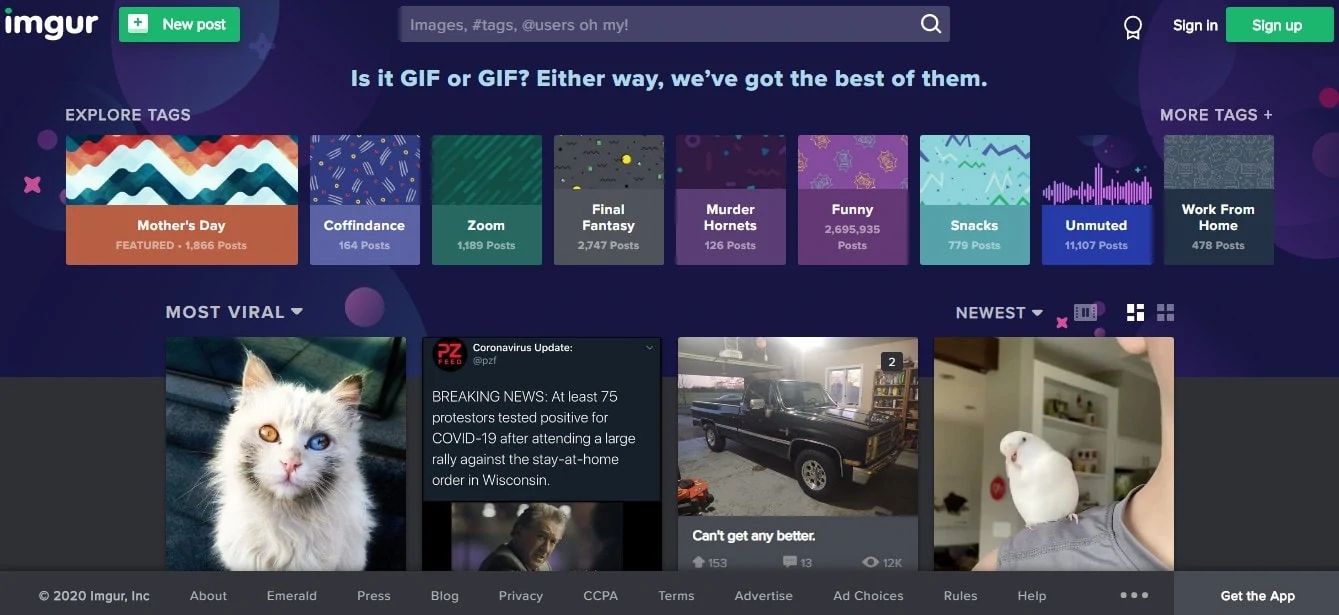
Imgur started in 2009 as a place to host images for Reddit. It was founded by Alan Schaaf.
Upload an image, grab the direct link, and paste it into a blog post or forum thread. No signup needed for quick uploads. The direct links stay live forever unless you delete them.
Standout feature: Every image gets a short URL you can embed anywhere. Paste it into WordPress, a Reddit comment, or a forum post, and it loads instantly.
Who should use it: Bloggers who need free image hosting with reliable direct links. Also great for meme-sharing and viral content.
Honest limitation: Free users can upload only 50 images per hour, so large uploads take time.
6. 500px — Best for selling your photography
| Feature | Details |
|---|---|
| Website Name | 500px |
| Best for | Pro photographers, licensing work |
| Storage | 7 uploads/week (max 2,000 photos) |
| Image Quality | High-quality images preserved |
| Supported Formats | JPG, PNG |
| Ads | No ads, but promotes premium plans |
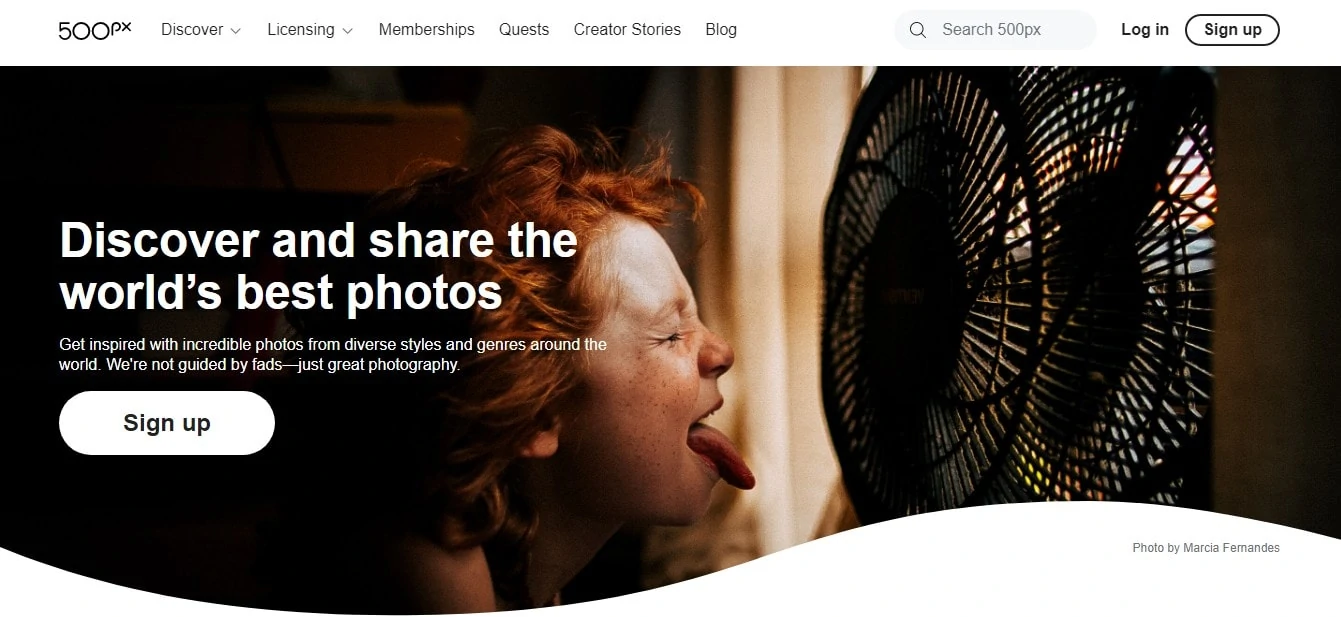
500px is one of the biggest online photography communities in the world which was co-founded by Oleg Gutsol and Evgeny Tchebotarev in 2009. It quickly became popular as an image hosting community among photographers worldwide.
500px is built for photographers who want to get paid for their work. Over 16 million creatives use it to showcase images, get feedback, and license photos to buyers worldwide.
Standout feature: 500px Licensing lets you sell your photos directly through the platform. Payouts are among the highest in the stock photo industry thanks to parent company Getty Images.
Who should use it: Serious photographers who want exposure and income. Also useful for building a portfolio that potential clients can find.
Honest limitation: Free users can upload only 7 photos per week. Most key features like unlimited uploads and advanced stats sit behind the paid plan ($7/month).
Bonus Read: If you’re looking for inspiration beyond image-sharing platforms, here’s a list of the top 10 photography websites that every photographer should explore.
7. Behance — Best for creative portfolios
| Feature | Details |
|---|---|
| Website Name | Behance |
| Best for | Designers, illustrators, photographers |
| Storage | Unlimited |
| Image Quality | Compressed |
| Supported Formats | JPG, PNG, GIF, BMP |
| Ads | No |
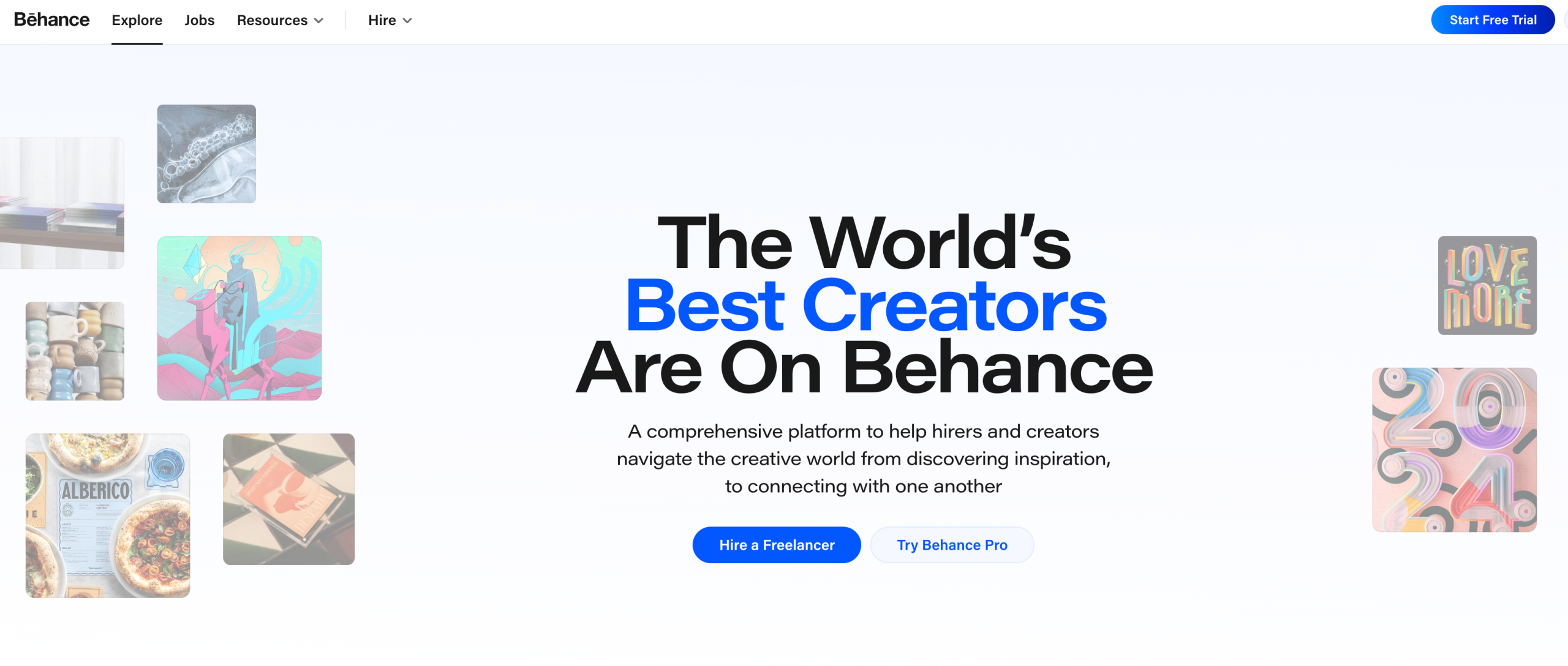
Behance is Adobe’s portfolio platform for creatives. It’s 100% free, has no upload limits, and works like a social network for designers, photographers, and illustrators.
You upload your work as “Projects” instead of single images. Each project can hold dozens of images, videos, etc.
Standout feature: Live stats on every project show views, appreciations, and which regions your work is trending in.
Who should use it: Creatives who want a free portfolio that clients and recruiters can find. It integrates with Adobe Creative Cloud, so existing Adobe users can publish straight from Photoshop or Illustrator.
Honest limitation: Behance is more a portfolio than a community. Engagement is lower than on Instagram or 500px, so don’t expect too much reach.
8. Unsplash — Best for stock photo contributors
| Feature | Details |
|---|---|
| Website Name | Unsplash |
| Best for | Photographers sharing free stock images |
| Storage | Unlimited |
| Image Quality | High-resolution; minimal compression |
| Supported Formats | JPG, JPEG |
| Ads | No traditional ads; some sponsored images |
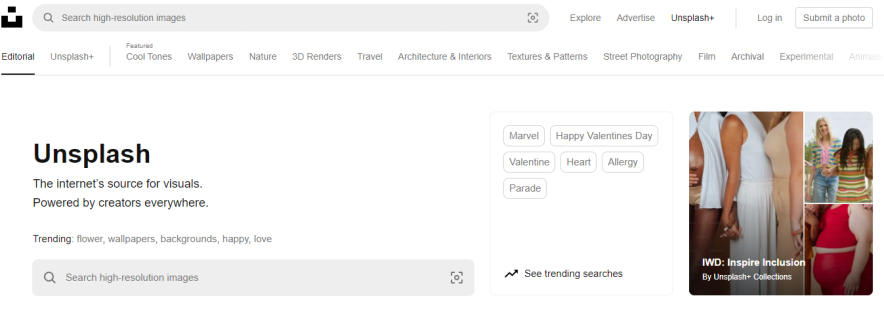
Unsplash is the biggest free stock photo platform on the web. Over 375,000 photographers contribute images that have been downloaded more than 7 billion times for blogs, mockups, and presentations.
Here’s how it works: you upload photos, people download them for free, and your name stays attached as the photographer.
Standout feature: Every photo shows download counts, views, and likes. You can also list your camera gear on your profile, so other photographers know exactly what equipment you used. Here’s what it looks like;

Who should use it: Photographers who want exposure over direct income. Great for building a name if you’re new. Bloggers also use it to find free images for their posts.
Honest limitation: You won’t get any commercial control over your own images. Once uploaded, anyone can use your photo in ads, products, or client work without paying you.
9. SmugMug — Best for pro photographer websites
| Feature | Details |
|---|---|
| Website Name | SmugMug |
| Best for | Pro photographers selling prints |
| Storage | 14-day trial only |
| Image Quality | Original quality preserved |
| Supported Formats | JPG, PNG, GIF, some RAW formats |
| Ads | No ads |
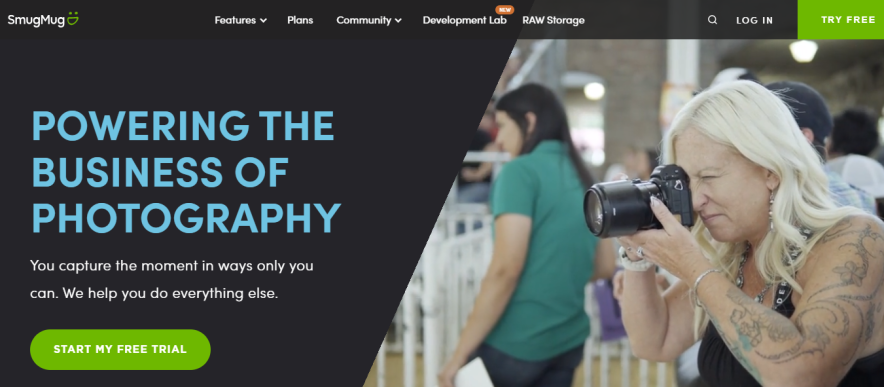
SmugMug turns your photos into a full portfolio website. You get unlimited storage, custom domains, password-protected galleries, and built-in tools to sell prints directly to clients.
It’s been around since 2002 and has owned Flickr since 2018. Most wedding and event photographers use it to deliver client galleries.
Standout feature: You can sell prints, digital downloads, and packages right from your gallery. SmugMug handles the printing and shipping, so you book profits without touching logistics.
Who should use it: Pro photographers who need a branded site to showcase and sell work. Also useful for photographers who want password-protected client galleries.
Honest limitation: No free plan after the 14-day trial. Paid plans start at $13/month, which is expensive for hobbyists.
10. Amazon Photos — Best for Prime members
| Feature | Details |
|---|---|
| Website Name | Amazon Photos |
| Best for | Amazon Prime members, family backups |
| Storage | 5 GB (free) / unlimited (Prime) |
| Image Quality | Original quality retained |
| Supported Formats | JPG, PNG, BMP, TIFF, HEIF, some RAW formats |
| Ads | No ads |

Amazon Photos offers 5 GB of free storage to every Amazon account. Prime members get unlimited full-resolution photo storage at no extra cost, which most Prime users don’t even know they have.
Photos stay at original quality with no compression. You can access them from the web, mobile app, or Fire TV.
Upload photos, videos, folders, or entire albums effortlessly via the web or desktop app. Sharing is simple too, whether it’s with a group, via email, or on Facebook, it only takes a click. Plus, ordering prints is quick and effortless.
Standout feature: Family Vault lets you invite up to 5 family members to share the same unlimited storage. Everyone’s photos stay private by default, but shared albums make group trips easy.
Who should use it: Anyone with an active Prime membership. If you’re already paying for Prime, this is a solid platform to store images.
Honest limitation: The free 5 GB fills up quickly. Extra storage starts at $1.99/month for 100 GB.
11. Dropbox — Best for client photo sharing
| Feature | Details |
|---|---|
| Website Name | Dropbox |
| Best for | Teams, clients, collaborators |
| Storage | 2 GB free |
| Image Quality | No compression; stores original files |
| Supported Formats | JPG, PNG, GIF, BMP, TIFF, RAW |
| Ads | No ads in the interface |

Dropbox is a cloud-based storage service launched in 2007, built to help users upload, store, and sync all types of files including photos, across teams and devices.
You can easily generate shareable links for any file or folder and distribute them wherever you need. With the proper permissions, recipients can view or download the shared content.
Offering secure cloud storage, simple file sharing, productivity tools, and content collaboration features, Dropbox is an excellent platform for image sharing. Photos stay at original quality with zero compression. You can also control who can view, download, or edit the files.
Standout feature: Shared links work even for people without a Dropbox account. You can also set passwords and expiry dates on any link, which is useful when sending client photos you don’t want floating around.
Who should use it: Photographers delivering client galleries, bloggers collaborating with designers, and teams that need version history on image files.
Honest limitation: The 2 GB free plan runs out quickly if you’re sharing high-resolution photos. Paid plans start at $9.99/month for 2 TB.
12. Postimage — Best for free backlinks
| Feature | Details |
|---|---|
| Website Name | Postimage |
| Best for | Bloggers building backlinks |
| Storage | Unlimited |
| Image Quality | Slight compression |
| Supported Formats | JPG, PNG, GIF, BMP |
| Ads | Yes, ads are shown on the site |
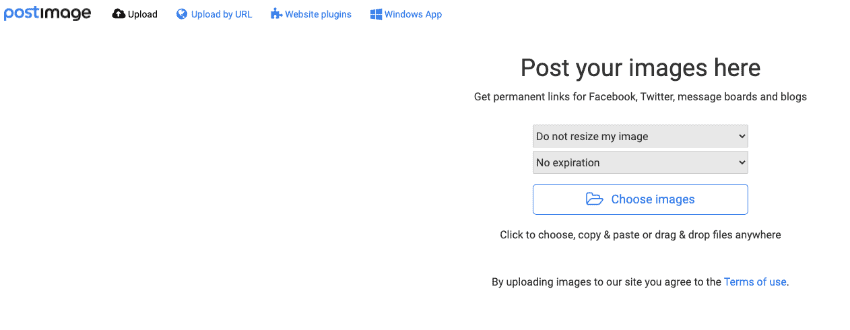
If you’re a blogger searching for FREE photo-sharing websites to build links, Postimage is a solid option. It’s a simple, reliable, and user-friendly image hosting platform, perfect for sharing visuals on blogs, forums, and other websites.
You don’t need an account to get started as you can just upload your image and get a direct link instantly. Postimage also offers features like image resizing, temporary uploads, and embed codes.
Standout feature: You can generate multiple link formats — direct link, HTML embed, BBCode for forums, and thumbnail link. One upload gives you everything you need to embed across any platform.
Who should use it: Bloggers who post on forums, Reddit, or Quora and need quick image links. Also useful for building referral traffic through image-embedded guest comments.
Honest limitation: The site shows ads to free users. If you want an ad-free experience, you’ll need the paid plan at $4.99/month.
13. ImgBB — Best for no-signup image hosting
| Feature | Details |
|---|---|
| Website Name | ImgBB |
| Best for | Quick uploads, bloggers, forum users |
| Storage | Unlimited |
| Image Quality | Compressed |
| Supported Formats | JPG, PNG, GIF, BMP |
| Ads | Yes, visible to free users |

ImgBB is a popular and free image hosting platform that lets you upload and host images online with ease. It’s especially useful for bloggers, forum users, and anyone who are looking for simple integration tools for sharing images on websites, message boards, and blogs.
With a clean interface and no account required, ImgBB makes uploading quick and easy. Whether you’re managing a blog post or participating in a forum, ImgBB helps you get your images online in seconds.
Supports JPG, PNG, GIF, BMP, and HEIC files up to 32 MB each.
Standout feature: Batch uploads let you drop 20+ images at once and get all the links in a single clean list. Saves a ton of time if you’re uploading screenshots for a tutorial post.
Who should use it: Bloggers writing tutorial posts with lots of screenshots. Also solid for quick forum or social media image sharing.
Honest limitation: No photo editing or organization tools. Once uploaded, you can’t rename, tag, or sort images into folders without creating an account.
How to choose the right image sharing site?
Here’s a quick way to pick, based on what you need.
- For blog traffic: Pinterest is the clear winner. Use Postimage or Imgur to embed images inside your posts.
- For a photography portfolio: Start with Flickr. Move to 500px to sell prints, or SmugMug if you want your own photo site.
- For personal backups: Google Photos or Amazon Photos. Google works best if you use Gmail. Amazon is free with Prime.
- For brand building: Instagram for creators. Behance for designers and illustrators.
- For free backlinks: Postimage and ImgBB are the most reliable.
- For client delivery: Dropbox.
Pros And Cons of Free Photo Sharing Websites
Here are some pros and cons of the best free photo-sharing platforms you should check out:
Pros of Image Sharing Sites:
1.) Increase traffic to your websites
One of the best reasons to use photo-sharing sites is that you can drive traffic by using links to your websites or blogs within your images.
For example, Pinterest allows you to post the URL on every image you pin. That way, others can click on your links (through pins) to visit your website. You can also link to your social media profiles, such as a Facebook page or Twitter account.
There are a few other image-hosting websites. Flickr doesn’t allow you to directly include links to your sites or other pages, but you can promote your business by embedding logos of your website name or business address, and so on.
2.) SEO benefits
Whether you know it or not, search engines can read images (the image file names, alt tags, etc) and that’s how they can rank your images in Google search results. By using photo hosting sites, you can bring traffic from Google search which improves overall exposure to your images, business, websites.
3.) Easy to use and cost-effective
Photo-sharing sites are straightforward to use: You sign up, log in, and start uploading your images. Almost all of the above sites are free to use, and a few of them ask you to pay more as you upload more images, making them cost-effective.
Potential income from images you share
There are many sites like Shutterstock, Pixabay, Dreamstime, etc., which allow you to earn income by selling your photos, images, and so on through their platforms.
Websites like Shutterstock and Pixabay are known globally. They help you display your images or photos in exchange for a commission. You can earn decent money by selling your stock images online.
Cons of Image Sharing Sites:
- There are so many instances of people stealing your images and not giving any credit for them
- If you’re uploading images on sites like Unsplash, anyone can download and use them however they want (so be sure to know such things before using and uploading images on any of these sites)
- Few image hosting sites charge your bucks depending on how many photos you’re uploading and what your images’ size is (so make sure to check out those things before you proceed further)
Conclusion: which image sharing site should you start with?
Don’t try all 13 at once. Pick one based on what you need right now.
If you’re a blogger chasing traffic, open a Pinterest business account this week. Design 5 pins for your best-performing blog post and schedule them with Tailwind or Buffer.
If you’re a photographer, start with Flickr for storage and a portfolio. Add 500px once you have 20-30 strong photos to showcase.
If you want free backlinks and quick image hosting, Postimage and ImgBB are enough for most bloggers.
So, what do you think? Did you find this list of top image-sharing sites helpful? Planning to try any of them to boost your online reach?
And if we missed one of your favorite photo-sharing sites, drop it in the comments. We’d love to hear what you’re using!
FAQs | Photo Sharing Website Free In 2026
Image sharing sites allow you to upload, download, and share images online effortlessly. Some examples of image sharing platforms include Pinterest, Instagram, Unsplash, etc.
Yes, as Flickr provides free accounts for up to 1,000 images.
For SEO, Pinterest is the best free image sharing site in 2026.
500px and SmugMug are some of the best sites to grow as a photographer and build your career to sell photography online.
Google Photos is one of the best online platforms for securely storing your photos. It is a photo sharing and storage service developed by Google that offers 15 GB of free storage. You can also choose to automatically back up all your photos online.








Thank you for sharing this list,
Actually the main issue with such image sharing sites is copyright! Yes, people start using your images without giving attribution or no following proper copyright guidelines. I have tried uploading some of my high resolution images on Flickr but unfortunately, I stopped it as I found people stealing your work.
What are your views on such issues?