


Most beginners pick a blog topic before picking a blog type. That’s a HUGE mistake.
Two blogs about fitness can look completely different. One is a personal journal getting hardly 100 visitors a month. The other is a review site that earns $5,000+ a month in affiliate commissions. Same topic (i.e., fitness) but different type and different income.
The blogging industry is now worth $417.85 billion globally. And the bloggers actually making money figured out ONE thing early: your blog type decides how you grow it, how you monetize it, and how long it takes to see results.
This guide breaks down the 9 main types of blogs in 2026, with REAL examples and income sources. By the end, you’ll know exactly which type fits your goals.
9 Different Types of Blogs Explained [2026]
| Type of Blog | Key Focus |
|---|---|
| Personal Blogs | Share personal stories, opinions, and experiences; authentic self-expression |
| Niche Blogs | Focused on a single topic/industry; authority-building and monetization |
| Business/Corporate Blogs | Represent a brand; share insights, promote products/services |
| Affiliate Blogs | Recommend products with affiliate links; earn commissions |
| How-to / Tutorial Blogs | Step-by-step guides, tips, and instructions |
| Review Blogs | Detailed reviews of products/services; pros, cons, verdict |
| News Blogs | Cover latest updates, events, and trending topics |
| Lifestyle Blogs | Cover fashion, travel, food, wellness, and everyday living |
| Multi-author/Guest Blogs | Multiple writers contributing content; variety of perspectives |

1. Personal Blogs
Personal blogs are usually created by individuals who want to share their own life experiences, opinions, or personal stories with the world. These blogs often cover a mix of subjects that are specific to the blogger and their thoughts.
This type of blog is usually less about following rules and more about expressing yourself in your own voice. And the readers are often drawn to personal blogs because they feel authentic and real.
Many personal bloggers share their daily life, travels, struggles, or even lessons they have learned along the way. Over time, some personal blogs evolve into lifestyle or niche blogs when the blogger focuses more on a particular theme, such as parenting, self-improvement, or wellness.
Example:
Take James Clear as an example. James Clear is the author of the famous book, Atomic Habits. And through his personal blog, he shares advice on creativity, habit formation, and focus.
The BIGGEST benefit? You can start a personal blog on any topic you want.
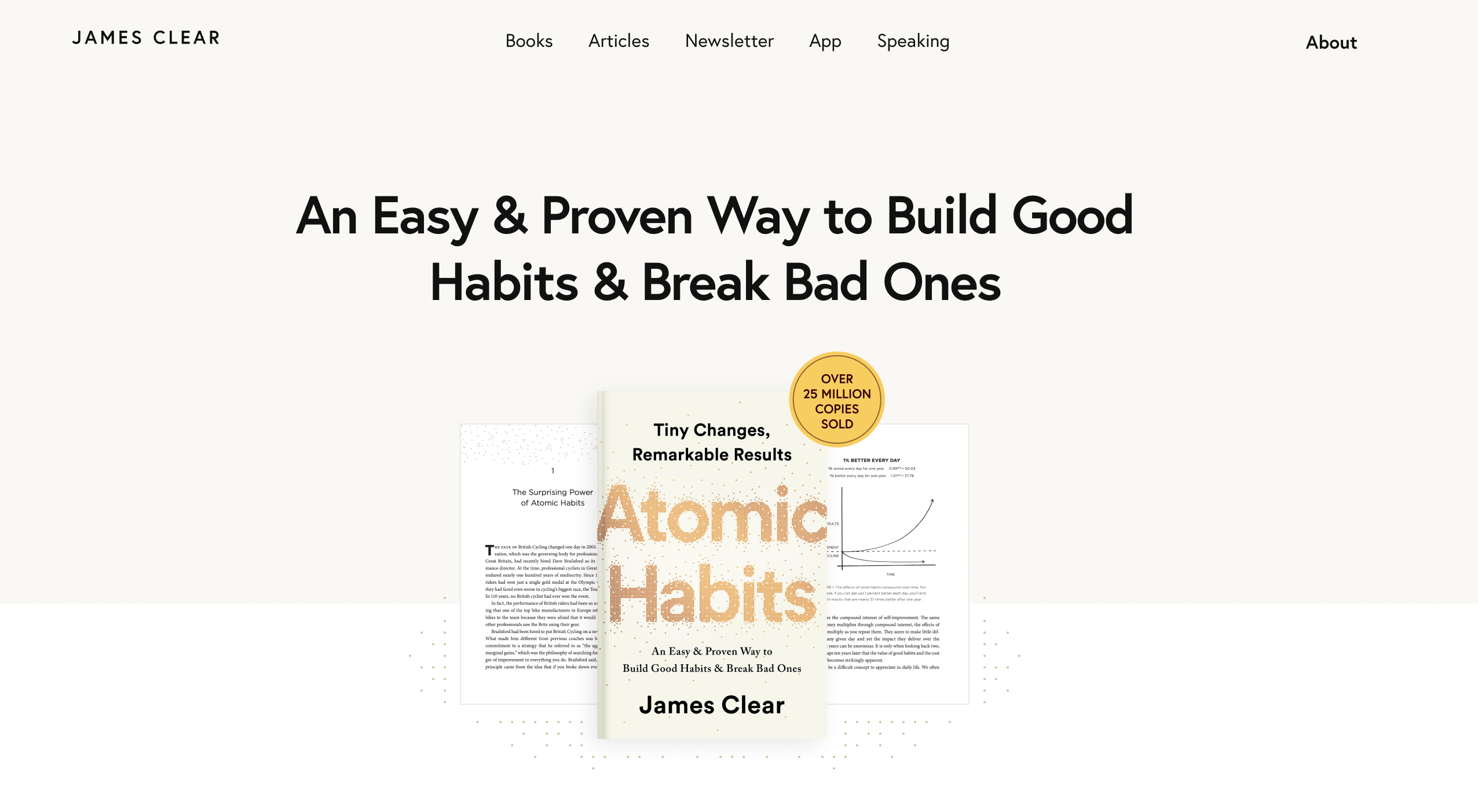
Another good example of personal blogs are:
- A Cup of Jo: Shares everything about food, parenting, and travel.
- Zen Habits: Talks about productivity, self-improvement, and maintaining daily routines.
- Mr. Money Mustache: Covers everything about money and financial independence.
Get the Complete List of Popular Personal Blogs, and find interesting details about blogs.
What topics can you cover on a personal blog?
- Personal development (for example, JamesClear.com)
- Finance (for example, My Wife Quit Her Job)
- Fitness (for example, Nerd Fitness)
- Digital photography
- Travel
- Music, Reading, and the list goes on
2. Niche Blogs
Niche blogs are focused on a very specific topic. Unlike personal blogs, niche blogs focus on one main area of interest. With a niche blog, you can attract an audience that is interested in that one subject by narrowing down your content.
The biggest benefit of niche blogs is that they help you build authority in your chosen subject. Readers (and even Google) start to see you as someone who really knows the topic. This can make your blog more trustworthy and increase your chances of ranking higher in search results.
Plus, advertisers and sponsors love niche blogs because they can target the right audience directly.
Another best thing about niche blogs is that they are easier to monetize. When your content is focused, it’s simpler to recommend products, services, or resources that your audience actually needs.
For example, if you run a fitness niche blog, you can promote workout gear, healthy meal plans, or gym programs that are useful to your readers.
Example:
The best example of a Niche blog is Pinch Of Yum. This blog covers only food and recipes. They have maintained this blog excellently with amazing photography and mouth-watering recipes.
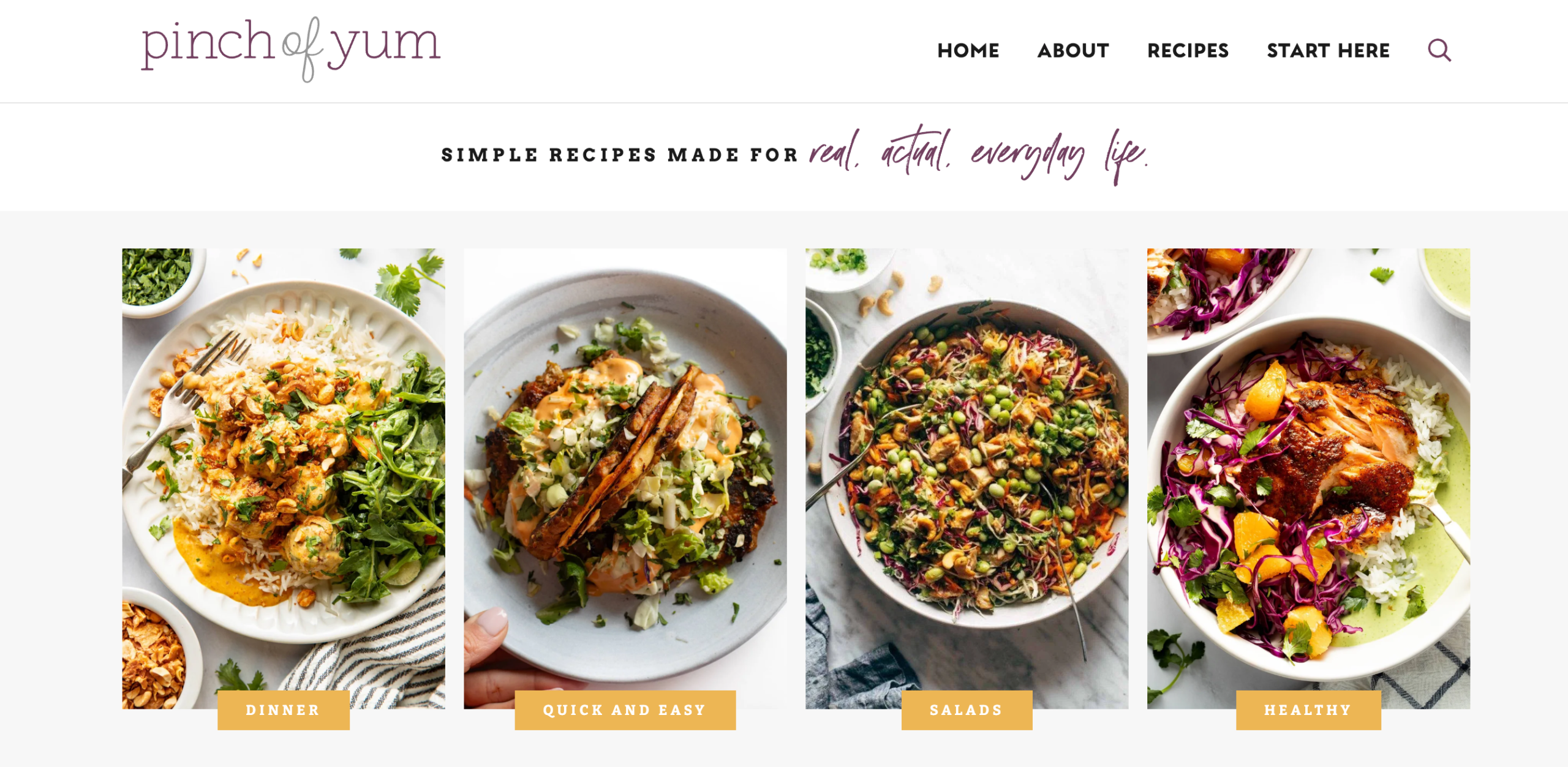
Other niche blogs that you should check are:
- The Blonde Salad: Fashion expert who shares everything about the latest fashion.
- Mia Mia Mine: Fashion blog that covers trendy outfits and fashion tips.
Bonus Read: Get inspired by the top female bloggers across various blog types and niches.
3. Business/Corporate Blogs
Business or corporate blogs are blogs that companies use to connect with their audience, customers, and even potential clients. These blogs usually focus on topics that are closely related to the company’s industry, products, or services.
One major benefit of a business blog is that it helps establish authority in the market. When businesses consistently share valuable insights, readers begin to see them as knowledgeable and reliable. This not only builds credibility but also plays a big role in customer loyalty.
And not only authority, but it also helps in boosting marketing and sales efforts. These blogs help improve your company’s presence on search engines. Every time you (as a business) publish a well-optimized post, it increases your chances of being discovered by people searching for solutions online.
Example:
Semrush is the best example of a business blog. The monetization model is different from affiliate or review blogs. Business blogs usually don’t make money from ads or affiliate links. They make money by turning readers into customers for their own products or services.
Every blog post acts like a lead-generation tool. For example, Semrush publishes articles like “best SEO tips” or “keyword research guide” to attract people searching on Google and then turn some of those readers into Semrush users.

Another Business/Corporate Blogs worth checking are:
- TechCrunch: A perfect resource for trends and news in the technology sector.
- Zing by Quicken: A corporate blog that provides inspiration and information.
- Small Business Trends: Here you will find financial, marketing, and management advice for small businesses.
4. Affiliate Blogs
Affiliate blogs make money by recommending products. You write a helpful post (usually a review, comparison, or “best X” list) and link to the product through a special affiliate link. When a reader clicks that link and buys, you earn a commission.
Commission rates vary a lot. Amazon pays around 1-4%. SaaS tools like Semrush or Bluehost pay $100-$200 per sale. That’s why most affiliate bloggers focus on higher-ticket products in niches like web hosting, finance, and software.
Example: BloggersPassion is built entirely on the affiliate model. Founder Anil Agarwal has been running it since 2010, mostly through hosting and SEO tool recommendations. The site now earns a steady six-figure income from affiliate commissions alone.

Other affiliate blogs worth studying:
- NerdWallet: Reviews credit cards, loans, and insurance. Earns through finance affiliate programs.
- The Wirecutter: Owned by The New York Times. Reviews gadgets and household products, mostly through Amazon affiliate links.
- Smart Passive Income: Pat Flynn’s blog on online business, podcasting, and affiliate marketing.
5. How-to / Tutorial Blogs
How-to or tutorial blogs teach people how to do something step by step. They focus on solving specific problems by breaking down the process into easy-to-follow instructions.
These blogs are super popular because almost everyone turns to the internet when they want to learn a new skill or figure out how something works. A how-to blog answers those exact questions. The content is usually practical, simple, and written in a way that even beginners can understand.
Many successful bloggers even combine tutorial content with affiliate marketing. For instance, a blogger teaching “How to start a podcast” might also recommend microphones, recording software, or hosting platforms, all through affiliate links.
What matters most is giving accurate, clear, and easy-to-apply instructions.
Example:
WikiHow is the greatest example of how to guide and tutorial blogs. It covers step-by-step guides and detailed instructions, and hacks to solve any of your problems.
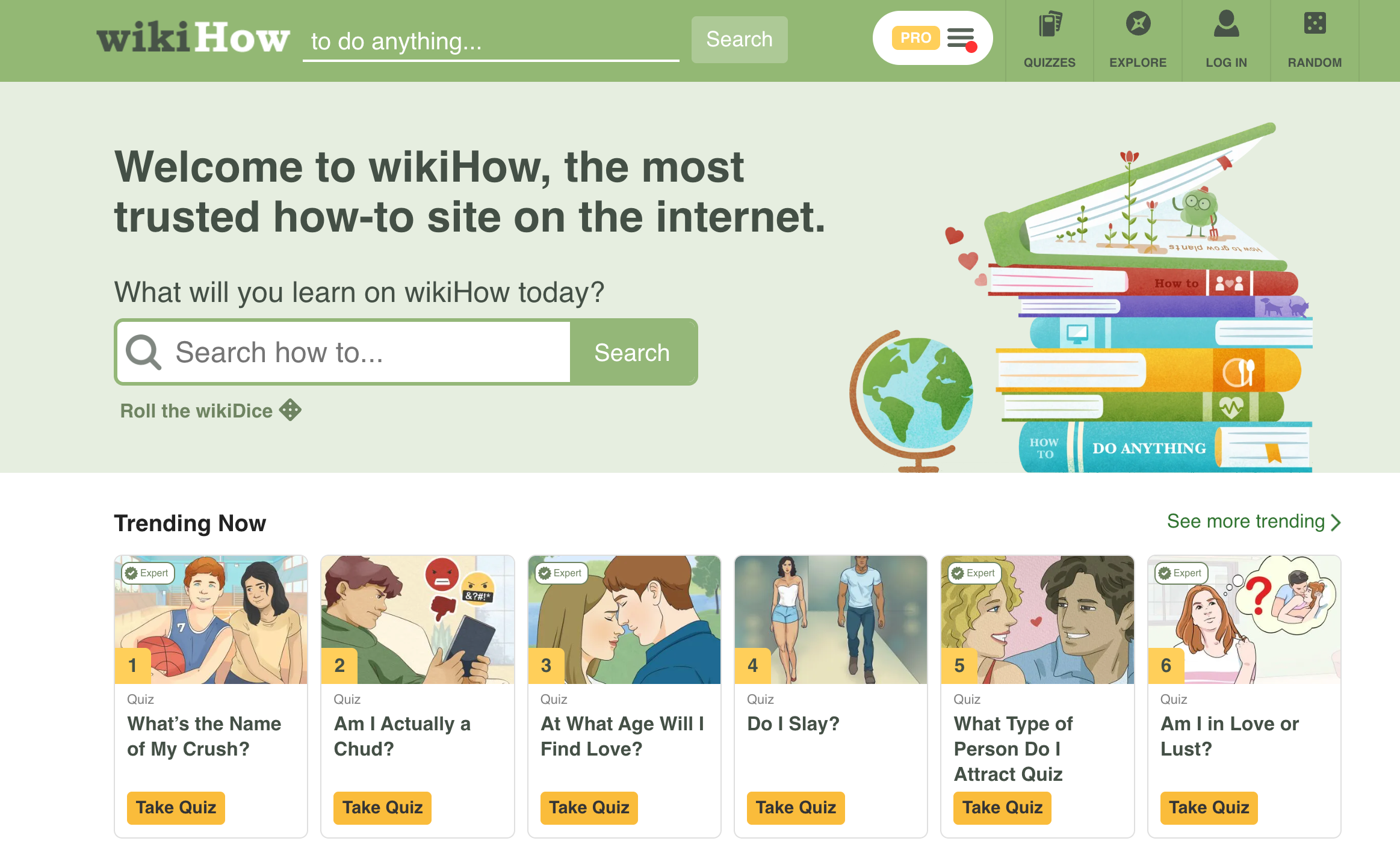
Below are the other best How-to blogs:
- Instructables: Best for DIY projects in literally every category.
- ehow: Covers everything from DIY instructions to life hacks.
- Wonder How To: How-to guides and technology tutorials.
6. Review Blogs
Review blogs focus on offering opinions, insights, and detailed feedback on products, services, or experiences. The main goal of a review blog is to help readers make informed decisions before they spend their money or time on something.
Since most people these days check online reviews before buying, review blogs have become incredibly popular and influential. As a Review blogger, you can cover things like gadgets, mobile apps, books, tools, restaurants, travel destinations, or even online courses.
A typical review blog post explains what the product or service is, discusses its features, highlights its pros and cons, and then gives an honest verdict.
These types of blogs also work really well for monetization. Many review bloggers join affiliate programs, so when readers buy the product through their link, the blogger earns a commission.
For example, a tech review blogger might review laptops or cameras and include affiliate links to buy them. This way, readers get useful advice, and the blogger can earn too.
But here’s the thing: income potential is high but NOT even. A tech review blog can earn $50 to $500 in commissions per laptop or smartphone sale. Outdoor gear, kitchen appliances, and beauty products also pay well.
The bigger the trust your audience has in your recommendations, the more they’ll buy through your links.
Example:
The best review blog, I think, is The Verge. It offers extensive reviews on gadgets, software, and digital culture.

Other review blogs to check out are:
- CNET: The best source for technology reviews, news, and advice.
- The Wirecutter: Best for in-depth reviews of products and recommendations around various categories.
- TechRadar: This blog covers reviews of the latest technology and gadgets.
7. News Blogs
As the name suggests, News blogs cover the latest news, updates, stories, and information on current events. These blogs typically cover a wide range of topics, including politics, technology, sports, entertainment, lifestyle, business, and even hyper-local community news.
The main goal of a news blog is to keep readers informed in a quick, easy-to-digest format. Instead of lengthy reports, news blogs often break things down in a way that’s more relatable and easier to follow.
Some news blogs are broad, covering all sorts of breaking stories, while others focus on a niche, such as tech news or celebrity gossip.
For example, a tech news blog might post about the latest smartphone launches, software updates, or major company announcements. An entertainment news blog might cover movie releases, celebrity updates, or award shows.
Example:
The best example of a news blog is the BBC News website. It is a great source of global news and current events.

News blogs make money through display ads (Google AdSense, Mediavine, or Ezoic), paid subscriptions, and sponsorships.
The catch? Publishing content takes a lot of effort. Most news bloggers publish 3 to 10 posts a day, which makes solo blogging hard to sustain. Niche news (AI, crypto, and gaming) is more beginner-friendly than general news because the competition is lower.
Take a look at a few other news blogs:
- The Guardian: Best for fresh news updates and liberal point of view.
- Wired: Covers everything about technology news and updates.
- The Wall Street Journal: A major financial publication and news about markets and businesses.
8. Lifestyle Blogs
Lifestyle blogs are probably the most versatile and wide-ranging type of blog you will come across. They bring together different parts of the blogger’s life and interests, such as fashion, beauty, home décor, travel, wellness, food, career, and even day-to-day routines.
It is about showing how the blogger lives or what they enjoy, and letting readers take away tips or motivation for their own lives.
Such bloggers rely heavily on photos, Instagram-style posts, or even short videos to complement the writing. Because lifestyle blogging is so aesthetics-driven, bloggers often create a certain vibe or brand that reflects who they are and attracts like-minded readers.
They are also among the easiest to monetize through brand collaborations, product sponsorships, affiliate links, or even selling digital products like planners or guides.
Brands especially love working with lifestyle bloggers because their content feels authentic and relatable, making recommendations more effective.
Example:
The Skinny Confidential is the most popular lifestyle blog. It covers everything from beauty to relationships.

A few other lifestyle blogs are:
- Cupcakes And Cashmere: Here you will find guides on home, lifestyle, and food, as well as fashion.
- The Blonde Abroad: This blog covers lifestyle and travel experiences featuring adventure and well-being.
- The Good Trade: This resource focuses on sustainable and ethical living by covering lifestyle topics.
9. Multi-author / Guest Blogs
Multi-author blogs are run by more than one writer. Instead of relying on a single author, the brand brings in editors, staff writers, or guest contributors to publish under one roof.
This setup helps the blog grow REALLY fast. One blogger can write maybe 4 to 8 quality posts a month. A full team can publish 50+. That’s why most large media sites, tech publications, and corporate blogs follow this model.
For beginners, this setup is NOT ideal (unless they have a huge budget). Most multi-author blogs begin as solo projects and add writers as traffic and revenue grow.
Example:
HubSpot Blog is a great website that offers guest blogging. It runs four sub-blogs (marketing, sales, service, website) with 100+ contributors and publishes daily. The blog attracts millions of monthly visitors and drives signups for HubSpot’s software.

Other multi-author blogs worth following:
- Search Engine Journal: One of the largest SEO and digital marketing publications. Mix of staff writers and industry experts.
- Mashable: Tech, culture, and entertainment news, published by a full editorial team.
- Lifehacker: Productivity and tech tips from a ton of contributors.
Which type of blog should you start?
Picking the right type comes down to two things: your goal and your skill.
Most beginners skip this step. They jump in, waste 3 months, and quit. Don’t do that. Ask yourself one honest question first: Why am I starting this blog?
Here’s a quick breakdown to help you decide:
| Your situation | Best blog type |
|---|---|
| You want passive income from product recommendations | Affiliate blog |
| You have one specific skill or interest you can write about for years | Niche blog |
| You already run a business or freelance service | Business / Corporate blog |
| You want to share personal stories or your journey | Personal blog |
| You love teaching and explaining how to do things | How-to / Tutorial blog |
| You buy and test products regularly | Review blog |
| You want to report the latest news | News blog |
| You enjoy writing about fashion, travel, food, and daily life together | Lifestyle blog |
If you’re confused between two options, pick the one that matches your SKILL, not just your PASSION. Skills often grow faster than passion in blogging. For example, if you love travel but you’re great at explaining SEO, start an SEO blog. You can build authority faster using what you already know.
Also, most successful blogs are a mix of different types. For example, our blog BloggersPassion is mainly a niche blog (SEO and blogging), but it also works as an affiliate blog (hosting and tool commissions).
The key? Start with one main blog type first. You can expand later.
Final Thoughts
The “right” type of blog is the one you can write consistently for the next 2 years without quitting. That’s it. Trends, monetization models, and traffic strategies will change with time, but your efforts will NOT.
If you’re still not sure, start with the type that best matches your current skills. Publish 10 posts. Track which ones get traffic.
Then use keyword tools to identify the competition for the topics you want to rank for. Analyzing your competitors also helps you determine the profitability of your blog topic.
So what do you think about different types of blogs? Which category are you going to consider to launch your blog? Have any questions? Let us know in the comments.
FAQs
Here are some frequently asked questions about the blog categories list and the different types of blogs.
A niche blog is the easiest place to start if you have one skill or topic you can write about for years. A personal blog works better if you want more freedom to write about different topics.
Self-hosted WordPress is the best CMS (Content management system) in the world and offers plenty of themes and plugins to help you run your blog or website smoothly.
Affiliate blogs and review blogs typically earn the most. Both monetize through commissions on high-ticket products such as web hosting, SaaS tools, and electronics.
Yes, blogging is profitable. The key to blogging success is to differentiate yourself with quality content and products.
You can use keyword tools like Semrush, analyze your competitors’ top-performing pages, and use platforms like Quora to come up with new topic ideas for your blog.
Some of the high-demanding blogs are:
– Finance
– Beauty and Fashion
– Fitness






Leave a Comment
Your email address will not be published. Required fields are marked *