


Wirecutter started as a review blog. The New York Times bought it for $30 million.
A website that makes a few thousand dollars a month can often be sold on Flippa for 30 to 40 times its monthly profit.
For example, I sold one of my niche sites for around $35,000 on Flippa.
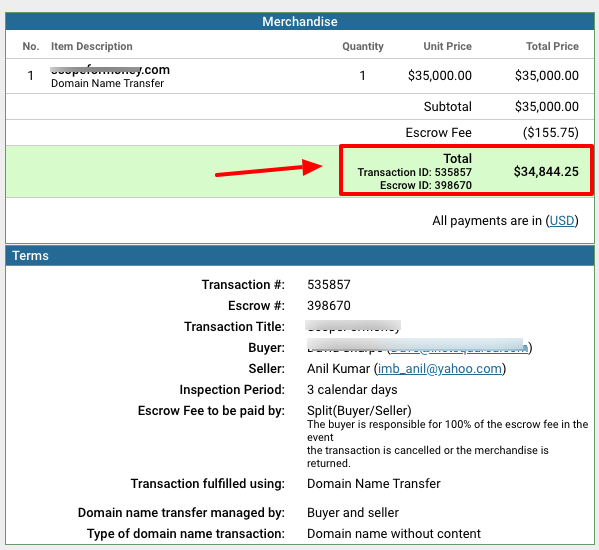
The hard part is NOT building the website. It’s picking the right idea before you spend a ton of time creating content that gets ZERO traffic.
In this guide, you’ll discover 12 profitable website ideas for 2026, grouped into 5 categories so you can pick one based on your skills, budget, and time.
The best part? Every idea includes how it makes money, what it costs to start, and a REAL example already earning from it.
12 Unique Website Ideas That Make Money In 2026
| Website Idea | Example Website |
|---|---|
| Personal Website | James Clear |
| Affiliate Website | NerdWallet |
| Review Website | Wirecutter |
| eCommerce Website | AppSumo |
| Dropshipping Website | Notebook Therapy |
| Service Website | NP Digital |
| Job Board Website | ProBlogger Jobs |
| Travel Website | Nomadic Matt |
| Fitness Website | Verywell Fit |
| Food Website | Pinch of Yum |
| AI Tool Directory | Futurepedia |
| AI Automation Service Site | Morningside AI |

Category 1: Content & Authority Sites
These sites build a niche audience through content, then monetize through affiliate links, ads, or their own products. Slow to start. Hard to beat once they start ranking.
1. Personal Website
Real example: James Clear
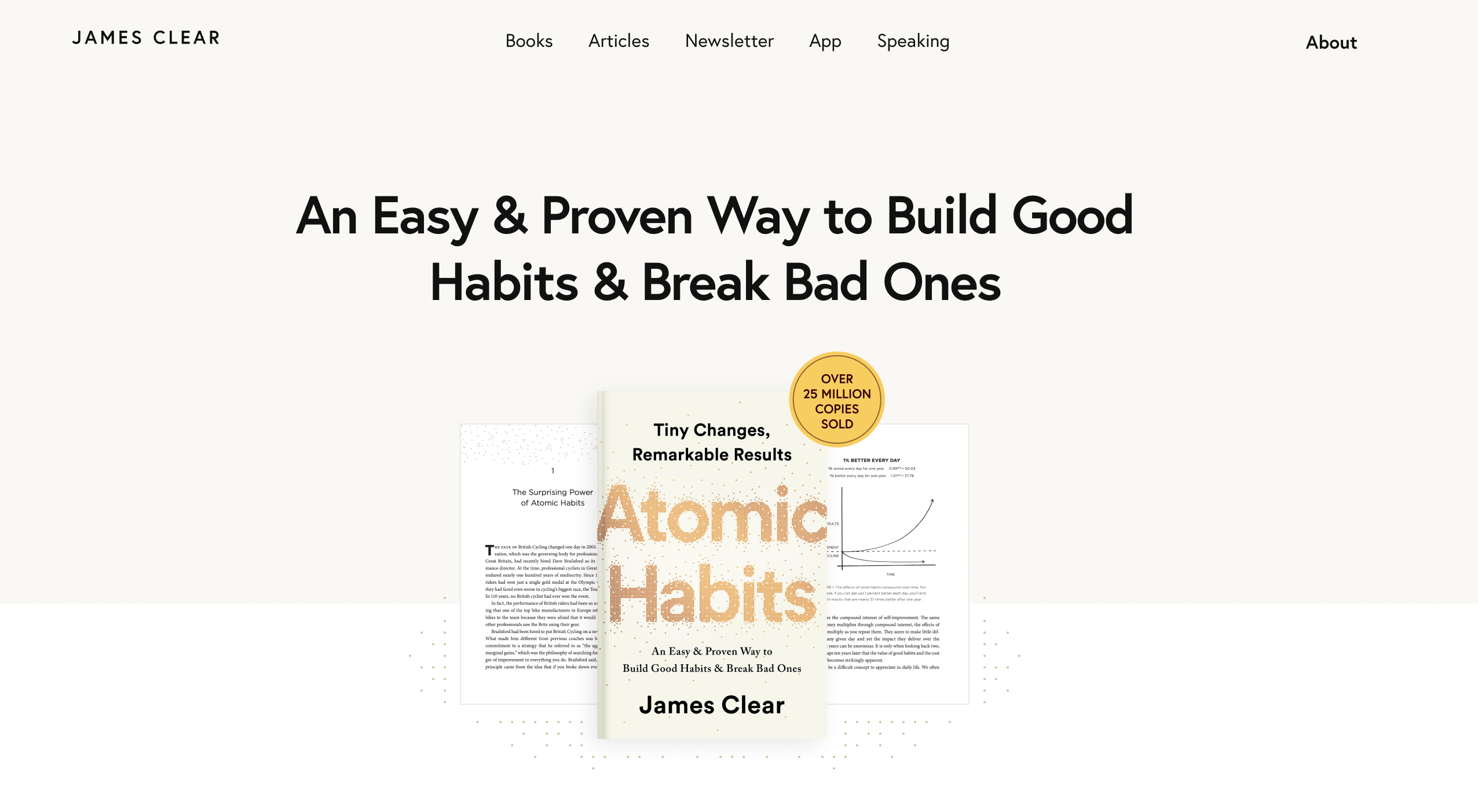
James Clear ran a blog about habits for years before it turned into a bestselling book. His book “Atomic Habits” has now sold over 25 million copies. The blog still generates A TON of traffic and helps him drive course sales, paid speaking gigs, and book royalties.
A personal site builds authority around your name or one topic you can show real expertise in. Habits, productivity, marketing, fitness, finance, anything.
How it makes money: Book deals, paid speaking, online courses, sponsorships, and affiliate links to tools you use.
What it costs to start: $50-100 a year for a domain and basic hosting.
Time to first dollar: Around 18 to 24 months for most people. It’s the slowest path to make money, but it also has the biggest long-term earning potential.
Here are more personal blog examples to inspire you in 2026.
2. Affiliate Website
Real example: NerdWallet
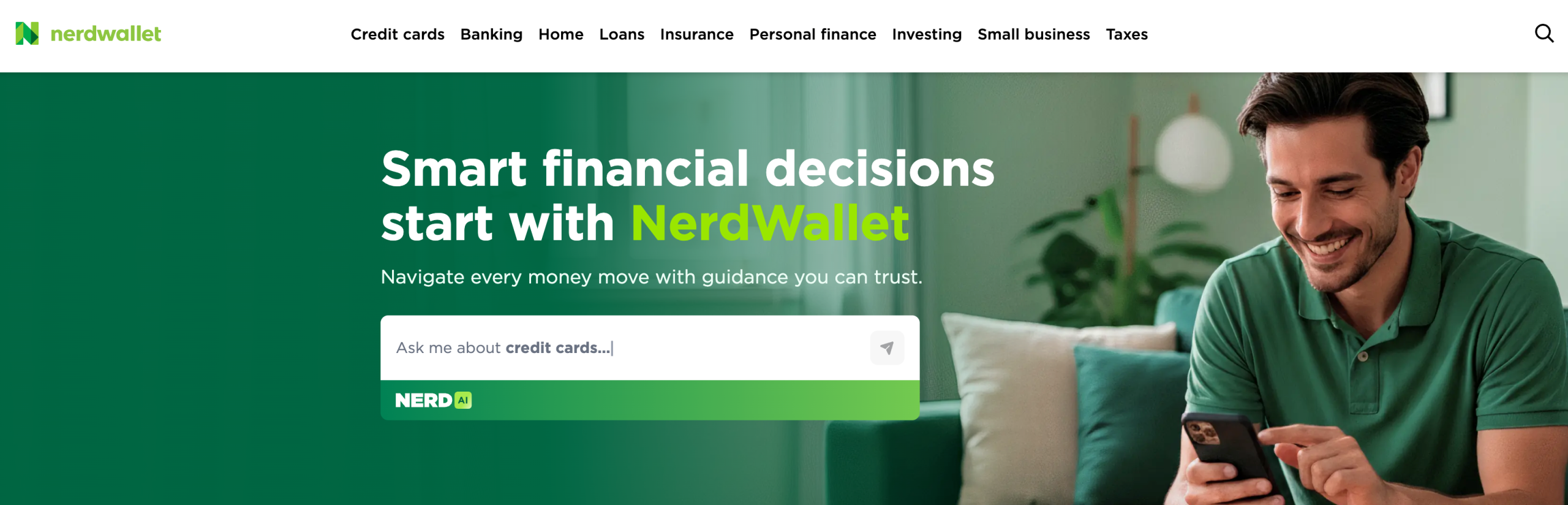
NerdWallet started as a side project to help people compare credit cards. Today, it’s a publicly traded company generating over half a billion dollars in annual revenue, mostly from affiliate commissions on financial products.
The model is simple: you write content, people click your links, and you earn a commission when they buy. No inventory, no shipping, no customer support emails.
The catch? You need to rank for buyer-intent keywords like “best credit card for travel,” and that takes TONS of quality content, backlinks, and patience.
How it makes money: Commissions through networks like Impact, Clickbank, and CJ Affiliate, plus direct brand programs.
What it costs to start: Around $200 to $500 for premium web hosting (like WPX), a few SEO tools (like Semrush), and your first set of content.
Time to first dollar: Around 6 to 12 months once you start ranking. Faster than personal blogs because the keywords have better buying intent.
3. Review Website
Real example: Wirecutter
Wirecutter started as a small product review blog by Brian Lam in 2011. Five years later, The New York Times bought it for $30 million. It now reviews everything from coffee makers to mattresses and generates massive affiliate revenue.
You don’t need to be that big. A focused review site in a small niche like budget gaming chairs or beginner espresso machines can hit $3,000 to $5,000 a month once it ranks. The trick is going DEEP into a small niche instead of going wide.
How it makes money: Affiliate commissions (Amazon Associates, brand-direct programs), sponsored posts ($500 to $2,000 each once you have traffic), and display ads via Mediavine or Raptive.
What it costs to start: Around $100 to $300, plus the cost of the products you review.
Time to first dollar: Around 4 to 9 months for narrow-focused niche sites. Faster if you already have access to the products.
Category 2: Ecommerce Sites
These websites sell physical or digital products directly to customers. Startup costs are usually higher than content sites, but you can make money FASTER once you find the right products.
4. eCommerce Website
Real example: AppSumo
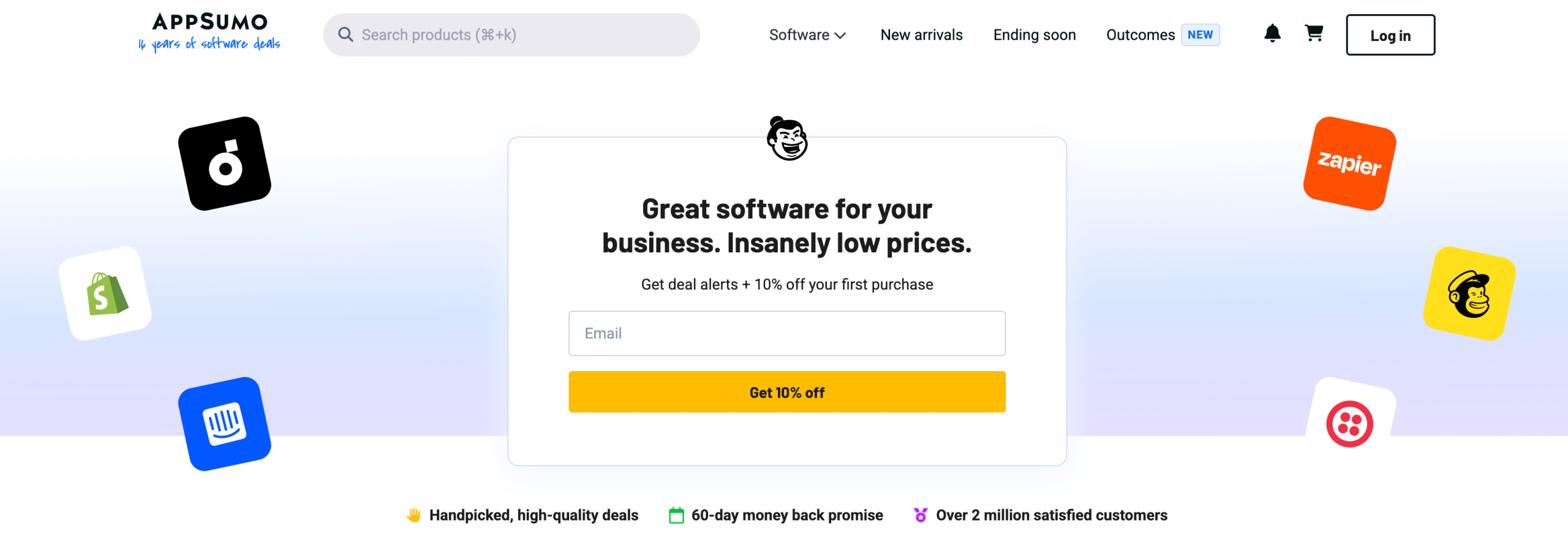
Noah Kagan started AppSumo in 2010 with a simple idea: compile digital tools in one place and sell them at low prices with HUGE discounts. Today, AppSumo runs as a multi-million dollar daily deals site for SaaS lifetime deals, software tools, and digital products.
You don’t need a huge catalog to make ecommerce work. Some of the most profitable ecommerce sites in 2026 sell just one or two helpful products. The best examples: Death Wish Coffee or Bombas socks.
How it makes money: Direct product sales, upsells, subscription boxes, and email-driven repeat purchases (which often drive 30 to 50% of revenue for most stores).
What it costs to start: Around $500 to $1,500 for inventory, a Shopify or WooCommerce store, and first ads. Digital product stores can start under $200.
Time to first dollar: Around 30 to 90 days with paid ads. SEO-driven stores take 6 to 12 months but cost much less.
Here are 30+ best AppSumo lifetime deals you can consider to save on your favorite tools.
5. Dropshipping Website
Real example: Notebook Therapy
Most beginners think dropshipping is easy money. The reality is different: very few margins, supplier issues, and ad costs that keep going up. But if you pick the right product, it can turn into a million-dollar business.
Notebook Therapy is one of them. They built a multi-million dollar store selling Japanese and Korean stationery without ever holding inventory. You set up the store, list products from a supplier, and the supplier ships directly to the customer after a sale.

How it makes money: You earn a profit on every sale. You buy products from suppliers like AliExpress or Spocket and sell them at a higher price. Profit margins are usually around 20–30%.
What it costs to start: Around $300 to $1,000 for a Shopify store, apps, and your first $500 in ads.
Time to first dollar: Around 2–3 months if you’re using paid ads and pick the right product.
Category 3: Service & Community Sites
These websites don’t sell products. They focus on helping people or giving paid access to something valuable. They usually cost less to start, but you often spend more time growing them.
6. Service Website
Real example: NP Digital
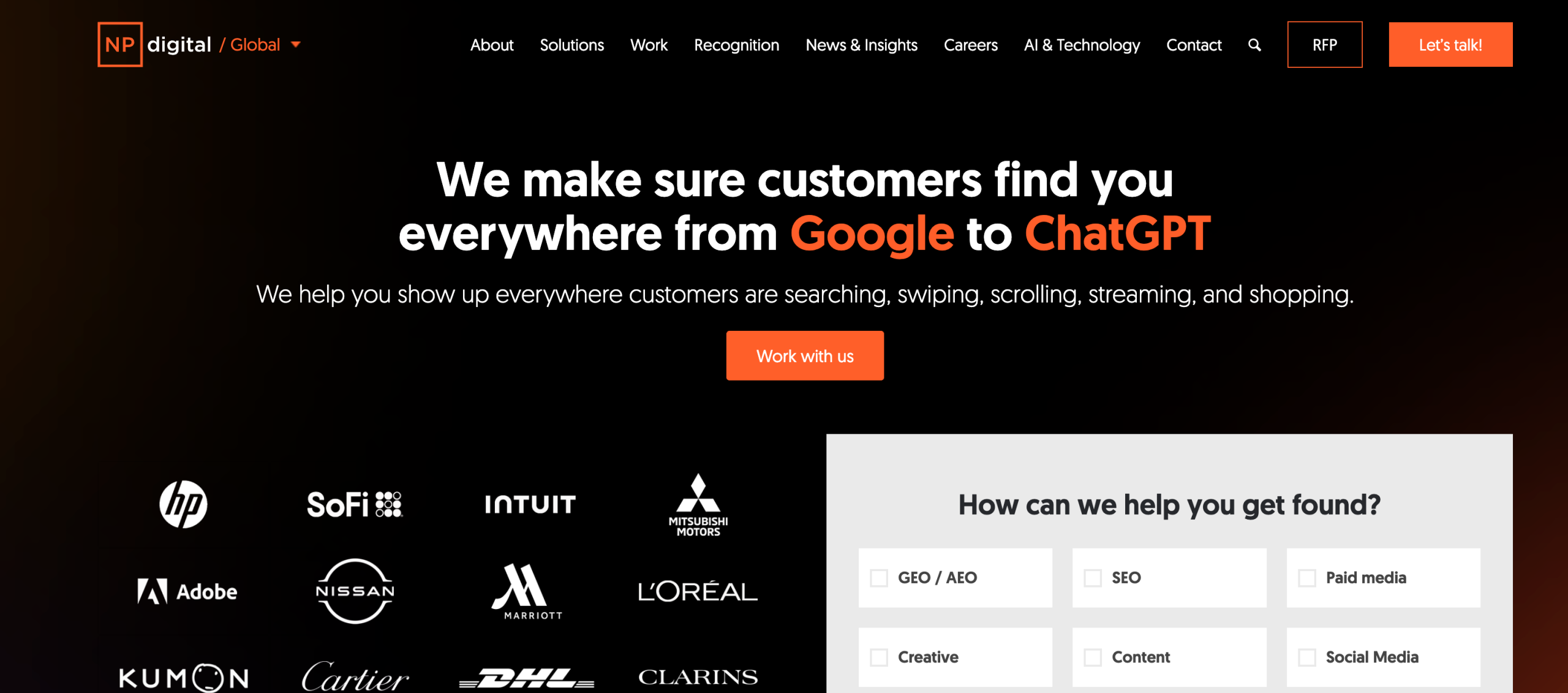
Neil Patel built a personal blog into one of the most-read marketing sites on the internet. In 2017, he turned that audience into NP Digital, a global marketing agency with offices in over a dozen countries and hundreds of employees.
The secret? build authority around a skill, then sell that skill at agency prices. SEO, copywriting, web design, coaching, video editing, anything businesses pay for.
The downside? You get paid for your time. If you stop working, income also stops, unless you build a team.
How it makes money: Through monthly clients, one-time projects, service packages ($1,000–$10,000), and consulting.
What it costs to start: Around $100 to $300 for a domain and a portfolio page.
Time to first dollar: Around 30 to 60 days. Service sites pay the FASTEST of any model in this list.
7. Job Board Website
Real example: ProBlogger Jobs
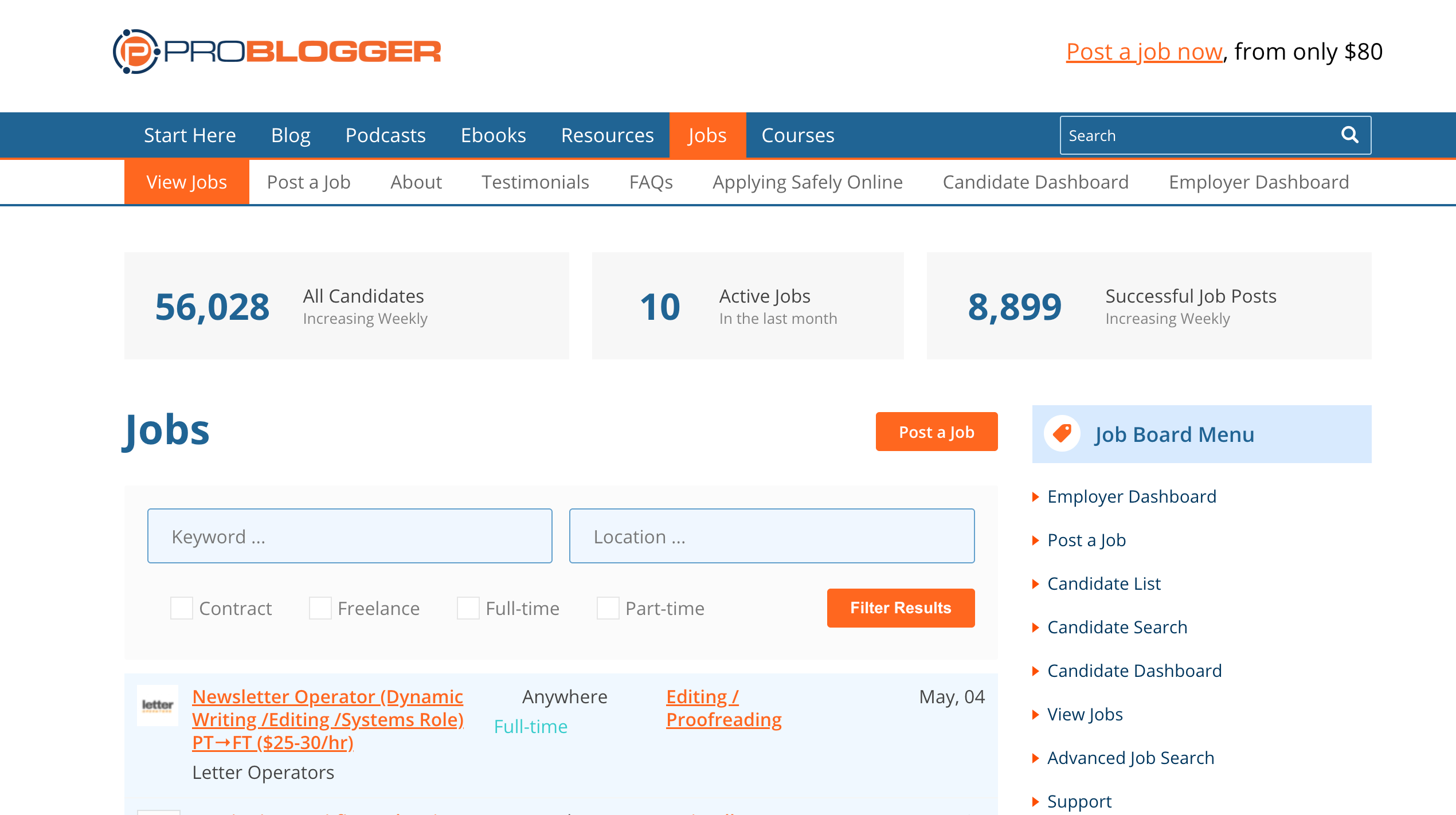
Job boards can make a lot of money. Did you know that ProBlogger Jobs charges around $80 for a 15-day listing? Hundreds of listings a month mean tens of thousands in passive monthly revenue from a site that’s mostly automated.
The model: pick a small niche (remote dev jobs, design freelancers, marketing roles), build traffic from job seekers, then charge employers to reach them.
The hardest part? Getting both sides active at the beginning. Most people start by adding free job listings for a few months to build momentum.
How it makes money: Job posting fees ($50–$300), featured listings, and employer subscriptions.
What it costs to start: Around $200 to $500 for a domain, a job board theme, and first marketing.
Time to first dollar: Around 2–4 months until you get traction and user engagement on the platform.
Category 4: Passion-Based Niche Websites
These are websites built around a specific topic or interest. They take A LOT of time to grow, but once you build a following, you can make money through ads, affiliate income, products, courses, and sponsorships.
8. Travel Website
Real example: Nomadic Matt
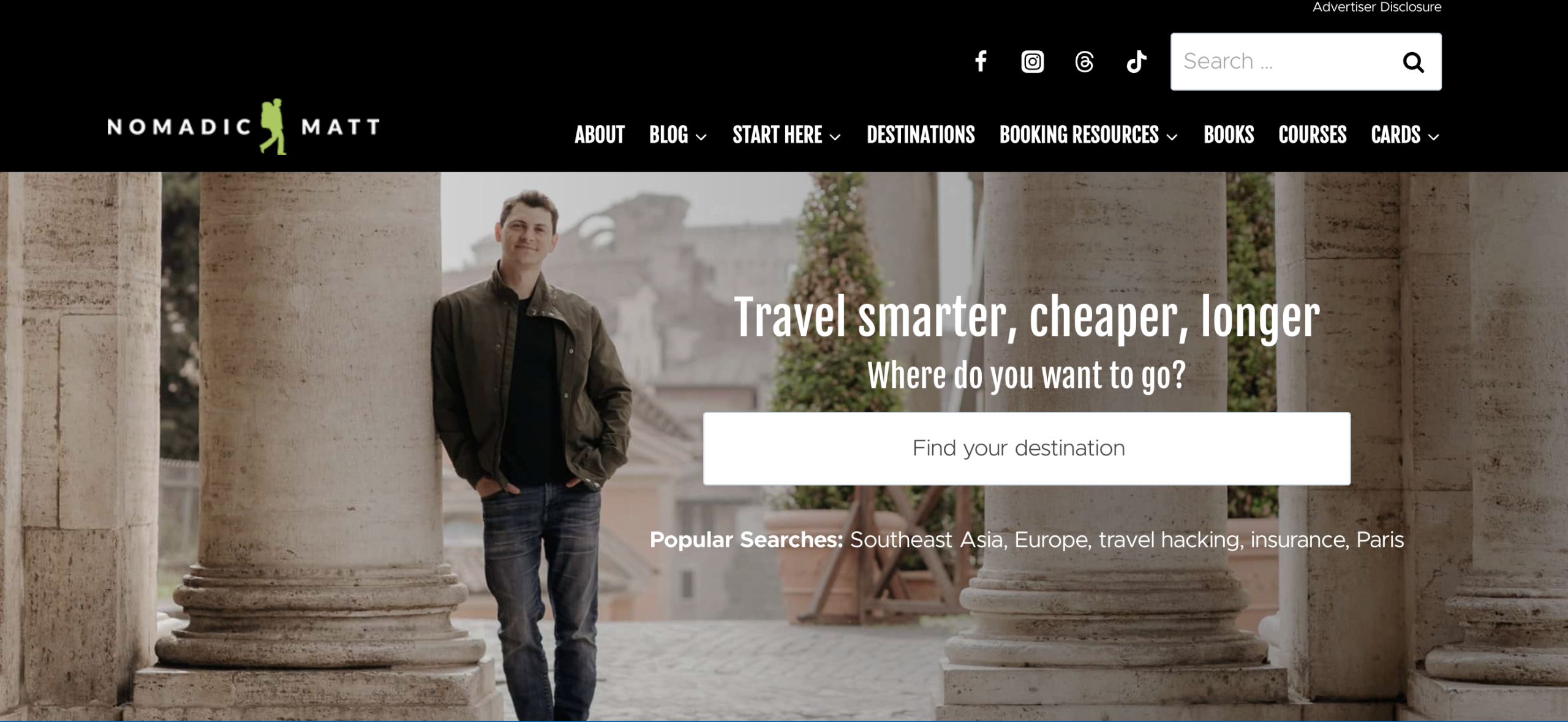
Matt Kepnes started Nomadic Matt in 2008 as a budget travel blog. Over time, his website has become a HUGE business through content, courses, books, and a travel community.
Travel websites work because the audience is massive, and many articles stay useful for years. For example, posts like “best things to do in Texas” can bring traffic for a long time with small updates.
Don’t target “travel” as a niche, as it’s a broad topic. Pick a smaller angle like budget travel, solo travel, family travel, food travel, or slow travel.
How it makes money: Display ads, affiliate links (hotels, flights, travel tools), courses, and sponsored partnerships.
What it costs to start: Around $100–$200 for a domain and hosting. Travel expenses are separate.
Time to first dollar: Around 6–12 months. Competition is high, but higher Google rankings can bring consistent income.
9. Fitness Website
Real example: Verywell Fit
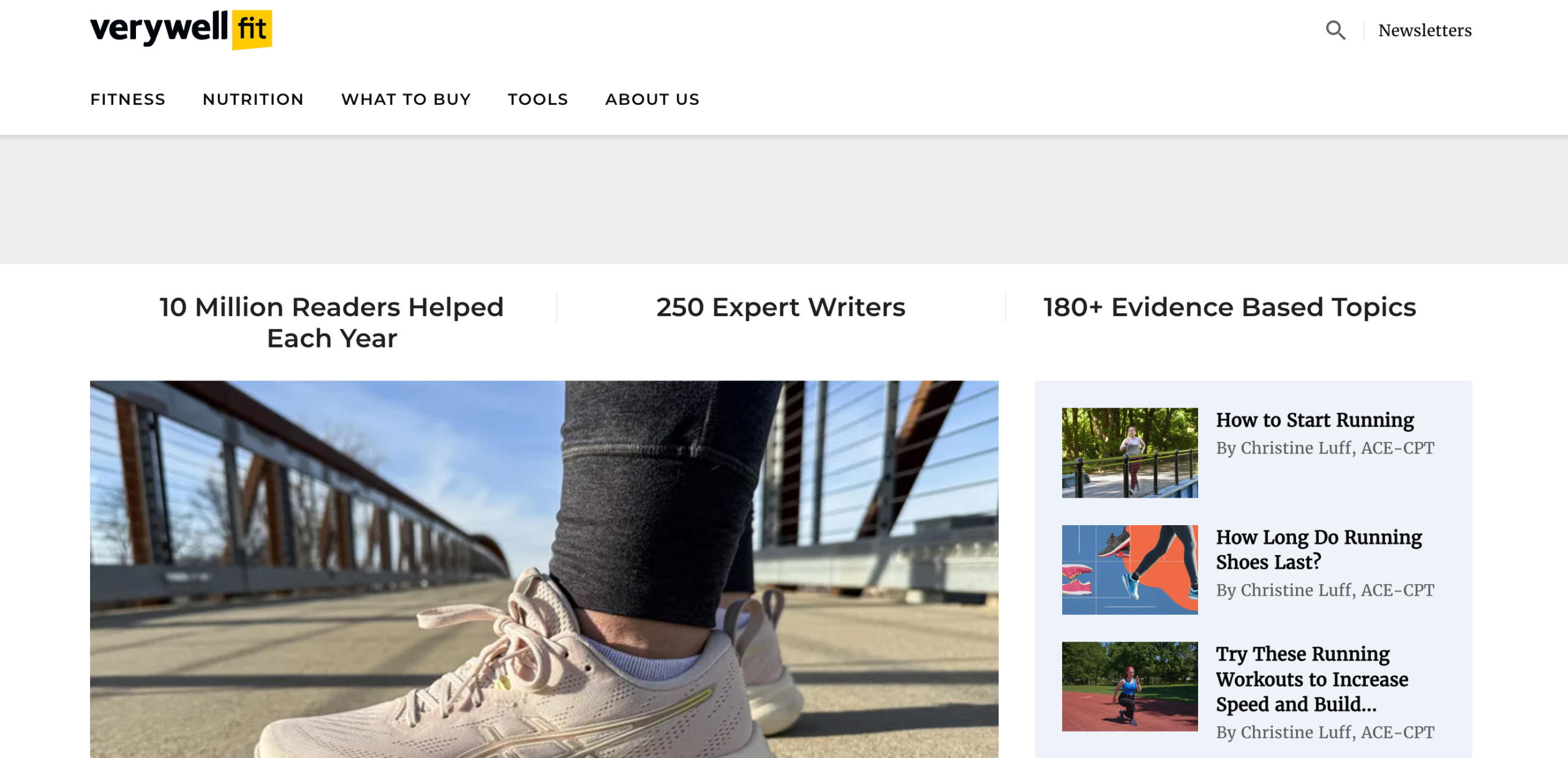
Verywell Fit attracts millions of monthly visitors with a mix of workout guides, nutrition tips, and gear reviews. It’s part of a larger media company (Dotdash Meredith network), but the same approach also works for solo bloggers who focus on a specific fitness niche.
You don’t need to compete with Verywell. Pick a smaller and unique angle: kettlebell training, yoga fitness, calisthenics for beginners, or fat loss after 40. The audiences are smaller, but they convert way better.
How it makes money: Display ads (fitness pays $8 to $20 RPM), affiliate links to gear and supplements, online courses, and coaching.
What it costs to start: Around $100 to $300 for a domain, hosting, and theme. Costs more if you start creating workout videos.
Time to first dollar: Around 6 to 12 months. It can be done faster if you build an Instagram or YouTube audience first.
10. Food Website
Real example: Pinch of Yum
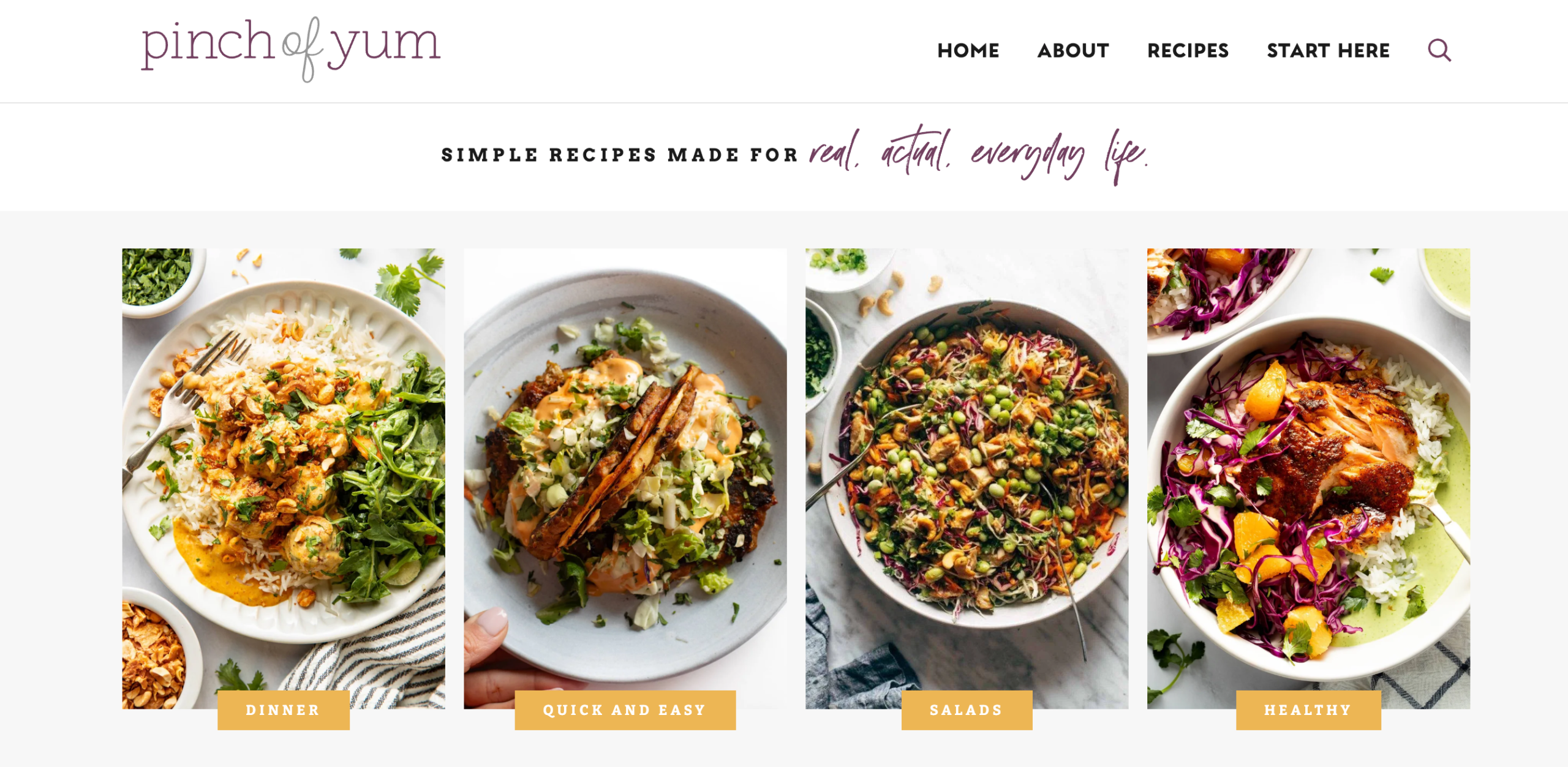
Lindsay Ostrom started Pinch of Yum in 2010. By 2015, she was publishing monthly income reports showing the site earning more than $50,000 per month from ads, sponsored content, and affiliate income.
Food websites have two big advantages: a huge audience and high ad earnings. A recipe website with 100,000 monthly pageviews can make around $2,000 to $4,000 from ads alone.
The catch? Photos matter a lot in this niche. Poor recipe images can hurt traffic and clicks, so you’ll need a decent camera and appealing visuals.
How it makes money: Display ads (food pays $15 to $30 RPM), sponsored recipes, cookbook sales, and affiliate links to kitchen tools.
What it costs to start: Around $200 to $500 for a domain, hosting, and a basic camera setup.
Time to first dollar: Around 6 to 9 months. Recipes index in Google fast if you master keyword research.
Category 5: AI-Era Website Ideas for 2026
These website ideas are growing fast because of AI. They use new AI tools and trends that are creating a ton of new opportunities in 2026.
11. AI Tool Directory
Real example: Futurepedia
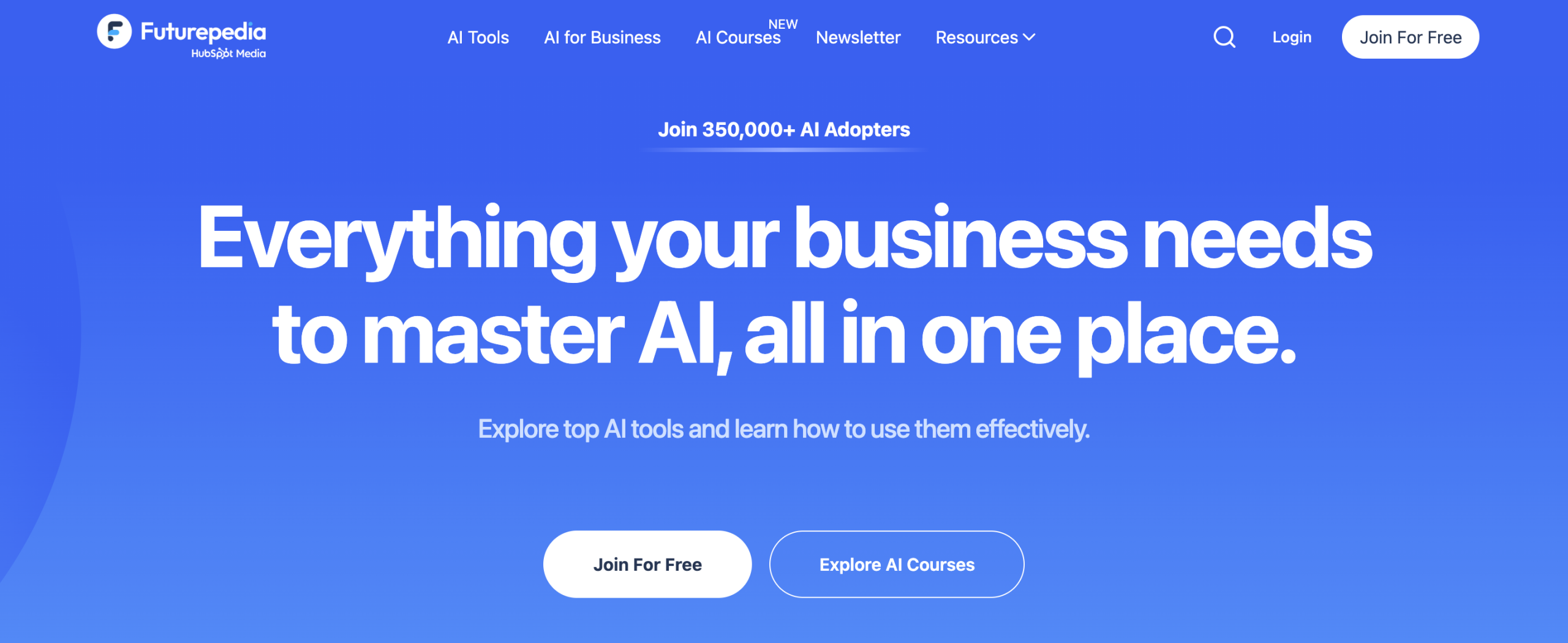
Thousands of AI tools have been launched in the last few years, and most people struggle to find the right ones. That’s where AI tool directories come in.
Futurepedia started as a simple website listing AI tools. It later grew into a massive platform, attracting millions of visitors who searched for topics like “best AI tools for writing” or “best AI tools for small businesses.”
The idea is simple: collect AI tools, organize them into categories, write short reviews, and create pages around specific use cases.
For example: AI tools for healthcare, real estate, or legal work.
How it makes money: Affiliate commissions from AI tools ($10 to $100 per signup), paid premium listings, sponsored placements, and display ads.
What it costs to start: Around $300 to $500 for a domain, hosting, and a directory plugin or theme.
Time to first dollar: Around 3 to 6 months. AI is growing REALLY fast and many areas still have lower competition than older niches.
12. AI Automation Service Site
Real example: Morningside AI
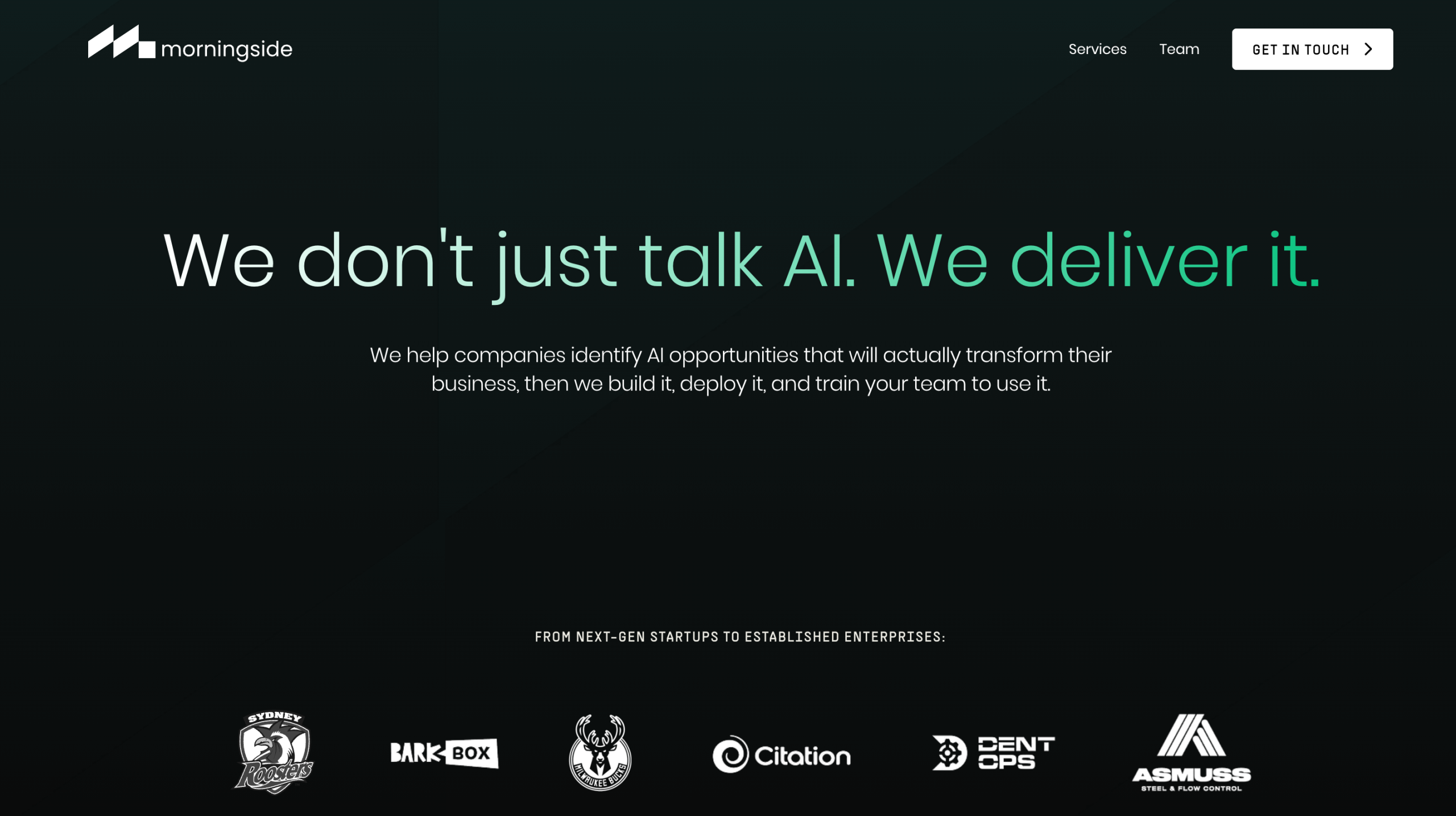
Many small businesses want to use AI but have no idea how to set it up. That’s where AI automation services come in.
Morningside AI built its business by helping companies set up AI systems and workflows. Projects can range from simple automations to large custom setups.
You make money by building automations for things like lead generation, customer support, and follow-up systems.
You don’t need a computer science degree. Skills in tools like Make, n8n, Zapier, AI APIs, and prompt writing are often enough to get started.
How it makes money: Setup fees ($2,000–$20,000 per project) and monthly maintenance plans ($500–$5,000).tainers ($500 to $5,000).
What it costs to start: Around $200–$500 for a domain and a landing page builder.
Time to first dollar: Around 2 to 3 months. Demand is growing fast, and skilled people are still limited.
Final thoughts on ideas for a website
Coming up with an interesting website idea and launching it can be extremely easy.
However, it requires significant effort and time to make them profitable. Select an idea, develop a plan, and maintain consistency in your efforts to succeed online.
What are your thoughts on the website ideas to make money mentioned here? Which ideas did you like the most? Have any questions? Let us know in the comments.
FAQs | Websites for Side Income
Here are a few questions people ask about “website ideas.”
Finance, AI directories, and high-ticket service sites pay the most per visitor.
Here are a few profitable ideas to start a website to make money;
– AI
– Finance
– Make money online
The easiest website project ideas for beginners include a personal blog, starting a local history website, an event blog, or an interview website.
Some of the profitable website ideas include;
– eCommerce stores
– Dropshipping
– Affiliate website
Starting a website on “Quotes” can be the easiest website idea for beginners. You’ll compile a list of quotes from various genres to attract traffic. Remember, there’s a HUGE competition for such websites, so be picky about the keywords you target.
Most content websites cost $100 to $500 in the first year (domain, hosting, theme, basic tools). Ecommerce and dropshipping cost $500 to $1,500.
A personal blog, an affiliate site in a niche you already know, or a service site selling a skill you have.


![How to Start a Blog in 2026 in India [Beginner Friendly Way] – My Example](https://bloggerspassion.com/wp-content/uploads/2012/01/how-to-start-a-blog-300x157.jpg)



Leave a Comment
Your email address will not be published. Required fields are marked *